Free shipping on orders over R980 | First order? Get 10% off orders of R499 and above instead

Coupon code applied successfully
“Personalised Shampoo – 500ml” has been added to your basket. View basket

The Ultimate Guide to Dandruff, Dry Scalp, Eczema & Psoriasis
A flaky, itchy scalp can be frustrating, but identifying the cause isn’t always straightforward. Dandruff, dry scalp, scalp eczema, and scalp psoriasis can all cause similar symptoms, making them easy to confuse. However, these scalp conditions have different underlying causes and often require different treatments. Understanding which condition you’re dealing with is the first step towards choosing the right personalised scalp care routine and supporting a healthier scalp.
Common Scalp Conditions
What Is Dandruff?
Dandruff is one of the most common scalp conditions, affecting people of all ages. It is typically linked to an overgrowth of Malassezia, a naturally occurring yeast that lives on the scalp. In some people, this yeast irritates the scalp and accelerates skin cell shedding, resulting in visible flakes.
Common symptoms of dandruff include:
- White or yellowish flakes on the scalp, hair, or clothing
- An itchy scalp
- Oily patches on the scalp
- Mild redness or irritation
Common triggers include:
- Oily scalp
- Hormonal changes
- Stress
- Cold, dry weather
- Infrequent shampooing
- Sensitivity to certain hair products
While dandruff isn’t contagious or caused by poor hygiene, using the wrong shampoo may allow symptoms to persist or worsen.
What Is Dry Scalp?
A dry scalp occurs when the skin doesn’t produce or retain enough moisture. Unlike dandruff, dry scalp isn’t caused by excess oil or yeast. Instead, it’s often the result of environmental factors or a weakened skin barrier.
Common symptoms of a dry scalp include:
- Small, dry white flakes
- Tightness or discomfort
- Mild itching
- Dry-looking scalp and hair
Common causes include:
- Cold or dry weather
- Hot showers
- Harsh shampoos
- Overwashing
- Naturally dry skin
- Dehydration
Dry scalp is generally less inflamed than dandruff, and the flakes tend to be smaller and lighter.
What Is Scalp Eczema?
Scalp eczema is an inflammatory skin condition that weakens the skin barrier, making the scalp more sensitive and prone to irritation. It can occur on its own or alongside eczema on other parts of the body.
Common symptoms of scalp eczema include:
- Intense itching
- Red, inflamed patches
- Dry or weeping skin
- Flaking or peeling
- Increased sensitivity to hair care products
Common triggers include:
- Allergens
- Fragranced or irritating hair products
- Stress
- Weather changes
- Existing eczema or sensitive skin
Symptoms may come and go in flare-ups and often require gentle, soothing scalp care.
What Is Scalp Psoriasis?
Scalp psoriasis is an autoimmune condition that causes skin cells to build up much faster than normal. This rapid skin turnover creates thick, scaly patches that can resemble severe dandruff.
Common symptoms of scalp psoriasis include:
- Thick, silvery scales
- Well-defined red patches
- Persistent itching
- Dry, cracked skin that may bleed
- Temporary hair shedding from scratching or inflammation
Common triggers include:
- Stress
- Illness or infection
- Cold weather
- Certain medications
- Skin injuries
Unlike dandruff, scalp psoriasis is a chronic condition that usually requires ongoing management.
Dandruff vs Dry Scalp vs Eczema vs Psoriasis: Key Differences
Although these scalp conditions can all cause flakes and itching, there are several important differences.
Feature | Dandruff | Dry Scalp | Scalp Eczema | Scalp Psoriasis |
Flakes | White or yellow, often oily | Small, dry white flakes | Dry or flaky skin | Thick, silvery scales |
Itching | Mild to moderate | Mild | Often intense | Moderate to severe |
Redness | Mild | Usually minimal | Common | Common |
Skin texture | Oily | Dry | Inflamed or irritated | Thick, raised plaques |
Main cause | Yeast and excess oil | Lack of moisture | Skin barrier inflammation | Autoimmune condition |
How to tell which scalp condition you have
While symptoms often overlap, there are a few clues that can help.
You may have dandruff if your scalp feels oily and produces larger yellowish flakes.
You may have a dry scalp if your scalp feels tight, dry, and produces small white flakes, particularly during colder months.
You may have scalp eczema if your scalp is very itchy, sensitive, red, or irritated, especially after using certain hair products.
You may have scalp psoriasis if you notice thick, silvery scales, clearly defined patches, or symptoms extending beyond the hairline.
Because these conditions can sometimes occur together or look very similar, a professional diagnosis may be necessary if symptoms don’t improve.
Which Treatment Is Right for Your Scalp?
The best treatment depends on the underlying cause of your symptoms.
For dandruff, shampoos formulated to help balance the scalp and reduce excess oil can help minimise flakes.
For dry scalp, moisturising ingredients and gentle cleansing can help restore hydration and improve the skin barrier.
For scalp eczema, fragrance-free, gentle products designed to soothe irritation are often the best choice.
For scalp psoriasis, specialised medical treatment may be needed alongside a gentle scalp care routine to help manage flare-ups.
Because every scalp is different, choosing products based on your specific scalp condition is far more effective than relying on generic, off-the-shelf shampoos.
At True to Life™, we believe scalp care should be as individual as you are. Our personalised shampoo range includes formulations for dandruff, dry scalp, eczema, psoriasis, oily, combination, and normal scalps, helping you choose products tailored to your unique scalp needs. By identifying your scalp condition first, you can build a routine designed to support long-term scalp health rather than simply masking symptoms.
Ready to take the guesswork out of your scalp care? Start your hair assessment and discover True to Life™’s personalised shampoos, tailored to your unique scalp conditions and hair needs. For one-on-one advice, book your free 15-minute consultation and let our experts help you build the right routine.
When Should You Seek Professional Advice?
While many mild scalp conditions can be managed with appropriate hair care, it’s important to seek professional advice if you experience:
- Severe or persistent itching
- Thick scales that don’t improve
- Bleeding or cracked skin
- Signs of infection, such as swelling or pus
- Significant hair loss
- Symptoms that continue despite changing your scalp care routine
A healthcare professional or dermatologist can diagnose the underlying condition and recommend the most appropriate treatment.
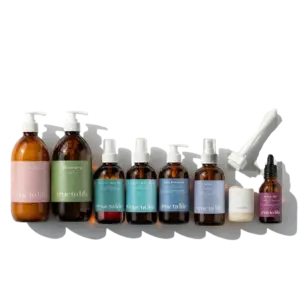
R1,897.00 – R2,480.00Price range: R1,897.00 through R2,480.00
Estimated delivery dates: Aug 11, 2026 - Aug 14, 2026
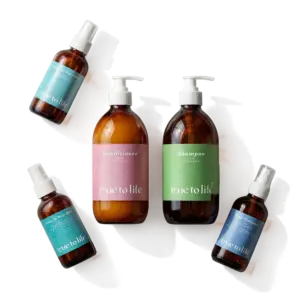
R944.00 – R1,396.00Price range: R944.00 through R1,396.00
Estimated delivery dates: Aug 11, 2026 - Aug 14, 2026
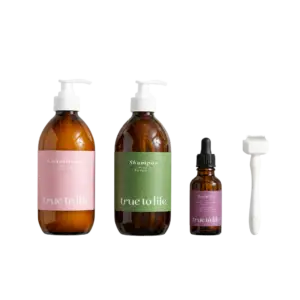
R918.00 – R1,402.00Price range: R918.00 through R1,402.00
Estimated delivery dates: Aug 11, 2026 - Aug 14, 2026
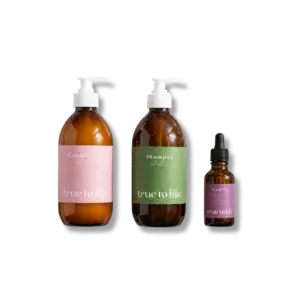
R745.00 – R1,213.00Price range: R745.00 through R1,213.00
Estimated delivery dates: Aug 11, 2026 - Aug 14, 2026
R499.00
Estimated delivery dates: Aug 11, 2026 - Aug 14, 2026
R269.00
Estimated delivery dates: Aug 11, 2026 - Aug 14, 2026
R499.99
Estimated delivery dates: Aug 11, 2026 - Aug 14, 2026
R269.00
Estimated delivery dates: Aug 11, 2026 - Aug 14, 2026
R969.00
Estimated delivery dates: Aug 11, 2026 - Aug 14, 2026
R499.00
Estimated delivery dates: Aug 11, 2026 - Aug 14, 2026
Start your hair growth journey with us.
Take the Hair Assessment to get a your recommended products to support your hair growth journey
Final Thoughts
Although dandruff, dry scalp, scalp eczema, and scalp psoriasis can all cause flakes and itching, they are distinct scalp conditions with different causes and treatment approaches. Taking the time to understand what’s happening on your scalp is the first step towards finding lasting relief.
Rather than choosing products based on guesswork, opt for a personalised scalp care routine designed for your specific needs. By matching your shampoo and scalp care products to your scalp condition, you can better support a healthier, more comfortable scalp over time.
If you’re unsure which scalp condition you have, taking a personalised approach can help you find products better suited to your unique scalp concerns instead of relying on generic, off-the-shelf solutions.
Post Views: 41


