Free shipping on orders over R1180 | First order? Get 10% off orders of R499 and above instead

“#1 Nourish & Revitalise Scalp Oil” has been added to your basket. View basket
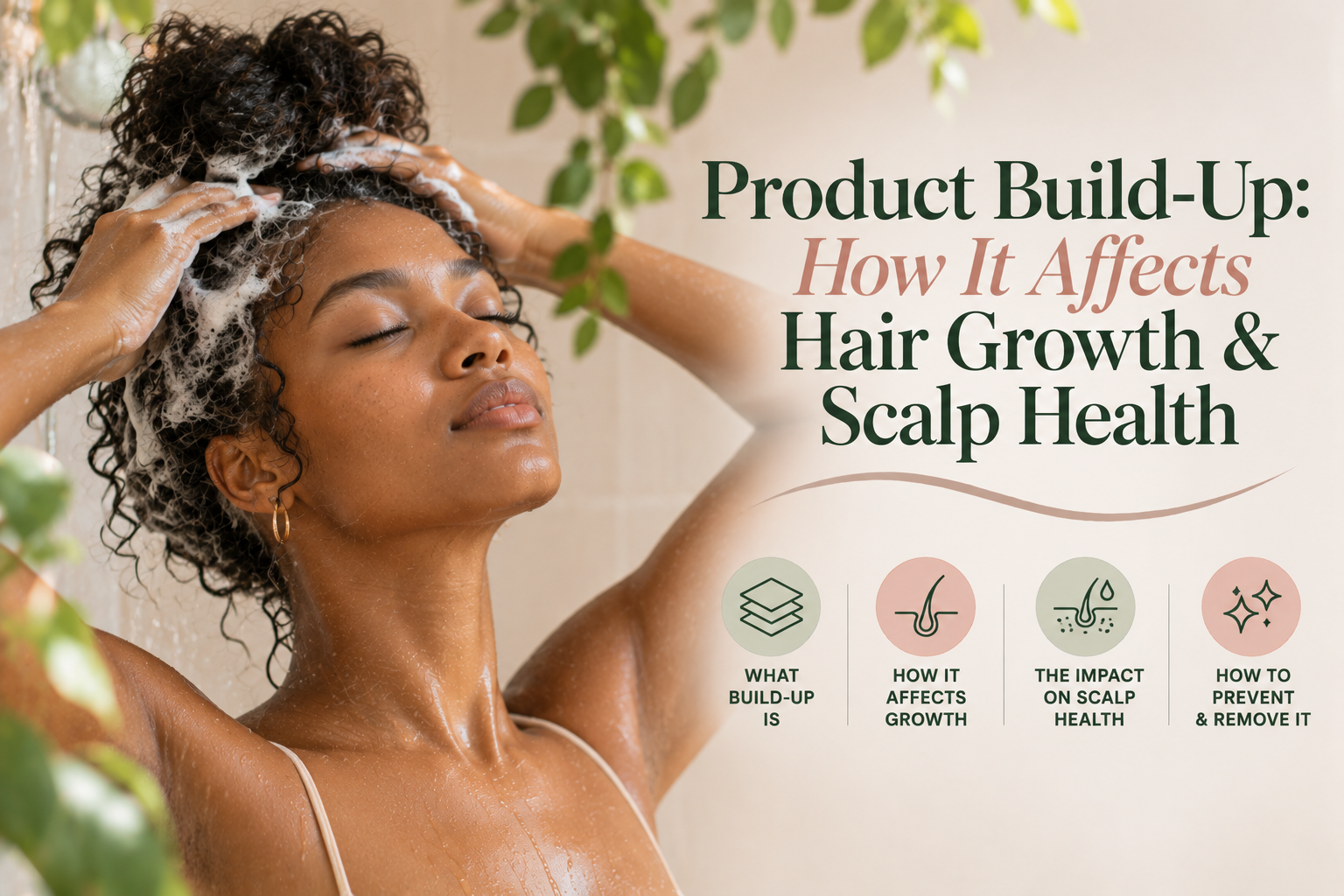
Product Build-Up: How It Affects Hair Growth & Scalp Health
Product build-up can leave your hair feeling heavy, greasy or difficult to manage, even when you follow a regular hair care routine. Over time, residue from styling products, oils and other hair care products can accumulate on the hair and scalp, affecting how your hair looks and feels. Understanding what causes product build-up and how to manage it can help you maintain a comfortable scalp and healthier-looking hair.
While product build-up does not automatically prevent hair growth, excessive residue can make cleansing less effective and may contribute to scalp discomfort in some circumstances. The key is finding the right balance between using products that support your hair’s needs and ensuring your scalp is properly cleansed.
What Is Product Build-Up?
Product build-up occurs when residues from hair care and styling products accumulate on the hair or scalp. Ingredients such as oils, waxes, silicones, polymers and certain conditioning agents can leave deposits, particularly when products are used frequently or are not thoroughly removed during washing.
Your scalp also naturally produces sebum, an oily substance that helps lubricate the skin and hair. Sebum, sweat and dead skin cells can combine with product residue, contributing to a coated or greasy feeling.
Not all residue is harmful, and some conditioning ingredients are designed to remain on the hair to improve softness, reduce friction and make styling easier. Problems are more likely to arise when products are unsuitable for your needs, used excessively or not adequately cleansed from the scalp and hair.
How Does Product Build-Up Affect Scalp Health?
A healthy scalp provides the environment from which your hair grows, so maintaining it is an important part of a well-rounded hair care routine. However, product build-up can make the scalp feel uncomfortable, particularly when residue accumulates alongside excess oil, sweat or dead skin cells.
Depending on the products used and your individual sensitivity, excessive build-up may contribute to itching, irritation or a greasy feeling. Certain ingredients can also cause contact irritation or allergic reactions in susceptible individuals, although these reactions are not necessarily caused by build-up itself.
It is also important to recognise that symptoms such as persistent flaking, redness and itching can have other causes, including dandruff, seborrhoeic dermatitis or other scalp conditions. These symptoms should not automatically be attributed to product residue.
Regular, appropriate cleansing helps remove excess oil and residue while supporting the scalp’s natural barrier. The aim is not to eliminate every trace of oil or to scrub the scalp aggressively, but to keep it clean and comfortable without causing unnecessary dryness or irritation.
Can Product Build-Up Affect Hair Growth?
One of the most common concerns surrounding product build-up is whether it can slow hair growth or cause hair loss.
Hair grows from follicles within the skin, and ordinary cosmetic residue on the scalp does not automatically block these follicles or stop the hair growth cycle. There is also no good evidence that removing product build-up alone makes hair grow faster.
However, scalp health and hair growth are connected in more complex ways. Persistent inflammation, certain scalp conditions and damage to the scalp can affect hair shedding or growth. If a product causes significant irritation, or if an underlying scalp condition is left unmanaged, addressing the cause may be important for maintaining healthy hair.
Product build-up can also affect the appearance and manageability of your existing hair. Residue may leave strands feeling heavy, dull or coated, making it more difficult to achieve the volume, movement and finish you want.
If you notice ongoing hair shedding, thinning, bald patches or persistent scalp inflammation, it is best to consult a qualified healthcare professional rather than assuming product build-up is responsible.
Signs You May Have Product Build-Up on Your Hair or Scalp
Recognising the possible signs of product build-up can help you decide whether your current cleansing routine needs adjusting.
Common signs include:
- Hair that feels heavy or coated: Your hair may feel as though a film remains on the strands, even after washing.
- Greasy roots: Your roots may look oily sooner than expected, although this can also reflect your natural sebum production.
- Reduced volume: Accumulated residue can weigh down the hair, making it appear flatter or less bouncy.
- Difficulty styling: Hair may feel less responsive to styling products or may not hold a style as expected.
- Visible residue: Some products can leave noticeable deposits on the scalp or along the hair shaft.
- Scalp discomfort: Itching or irritation may occur, although these symptoms can have several possible causes.
Experiencing one or more of these signs does not necessarily mean that you have excessive product build-up. Your hair type, scalp condition, washing frequency and the products you use all influence how your hair behaves.
How to Remove Product Build-Up Without Damaging Your Scalp
If you suspect product build-up is affecting your hair, the first step is to review your cleansing routine rather than immediately adding more products.
Choose a Suitable Shampoo for Product Build-Up
A shampoo that effectively cleanses your scalp can help remove excess sebum, sweat and product residue. If you regularly use heavy styling products or notice persistent residue, you may benefit from periodically using a more clarifying cleanser, provided it is suitable for your scalp and hair.
Clarifying shampoo is not essential for everyone, and stronger cleansing is not always better. If your scalp is sensitive or your hair is particularly dry, frequent use of an unsuitable cleanser may leave your hair feeling rough and your scalp uncomfortable.
Choose products according to your individual needs rather than following a universal rule about how often you should clarify.
Cleanse Your Scalp Thoroughly
When washing your hair, concentrate on cleansing the scalp rather than aggressively scrubbing the lengths. Gently massage the shampoo across the scalp with your fingertips, allowing the cleanser to remove excess oil and residue.
Rinse thoroughly to help prevent shampoo and loosened product residue from remaining on the hair. Avoid using your nails or scrubbing too vigorously, as this can irritate the scalp.
The ideal washing frequency varies from person to person. Factors such as sebum production, physical activity, product use, hair texture and environmental conditions can all influence how often you need to wash your hair.
Review the Products You Use
Using multiple styling products, leave-in treatments, and oils can increase the amount of residue that needs to be removed. This does not mean you need to avoid these products altogether. Instead, consider whether each product serves a purpose in your routine and whether the amount you apply is appropriate.
If your hair consistently feels coated, try simplifying your routine and observing how your scalp and hair respond. Applying additional products to address heaviness or dullness may make the problem worse if residue is already accumulating.
How Hair Type and Scalp Needs Influence Product Build-Up
Product build-up does not affect everyone in the same way. Your scalp’s natural oil production, hair texture, styling habits and the products you use can all influence how quickly residue accumulates.
For example, people with oilier scalps may notice that their roots become greasy more quickly, while those with dry hair may find that frequent clarifying leaves their lengths feeling rough. Fine hair can also become weighed down by products that are too rich, whereas other hair types may benefit from more conditioning.
Water quality can play a role, too. Hard water contains higher levels of dissolved minerals, which can interact with cleansing products and contribute to deposits on the hair. The effects vary depending on the water, products and individual hair characteristics.
This is why there is no single hair care routine that works equally well for everyone. Understanding your scalp’s needs and your hair’s characteristics can help you choose suitable products and establish a cleansing routine that manages product build-up without compromising your hair’s condition.
Can Scalp Oil Contribute to Product Build-Up?
Scalp oils can form part of some hair care routines, but applying more oil is not automatically beneficial for every scalp.
Oils may help condition the hair or serve a specific purpose within a routine. However, excessive application or using an oil that does not suit your needs can leave the scalp and hair feeling greasy or coated, particularly if the product is not adequately removed.
If you use scalp oil, consider how much you apply, how frequently you use it and how your scalp responds. Pay attention to whether the product leaves your hair comfortable and manageable or contributes to persistent greasiness and residue.
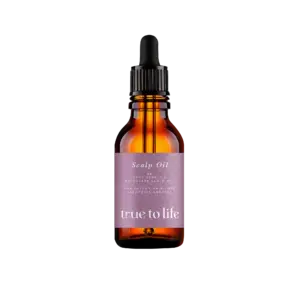
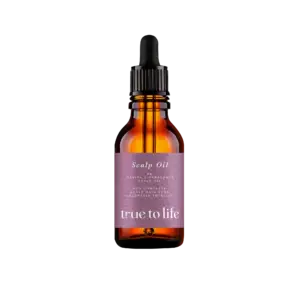
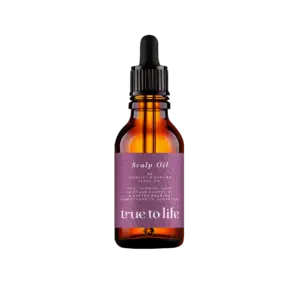
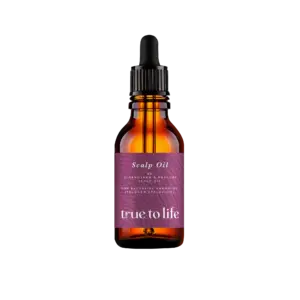
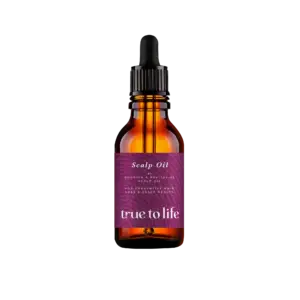
True to Life™ Scalp Oil #1 Nourish & Revitalise can be considered as part of a personalised scalp care routine where appropriate. As with any hair care product, suitability depends on your individual needs, and an oil should not be treated as a substitute for medical care if you have an ongoing scalp condition.
Build a Hair Care Routine That Helps Manage Product Build-Up
Managing product build-up is not simply about washing your hair more often or using stronger cleansing products. It is about finding a routine that removes excess residue while meeting your scalp’s and hair’s individual needs.
A balanced approach includes choosing suitable cleansing products, applying styling products and oils thoughtfully, rinsing thoroughly and adjusting your routine when your hair or scalp needs change.
If you are unsure which products are appropriate for you, a personalised approach can help you make more informed choices. Your scalp condition, hair porosity, texture, lifestyle, water quality and styling habits can all influence which products work best.
At True to Life™, personalised hair care starts with understanding these individual differences. Our hair care quiz considers your scalp and hair characteristics, concerns, lifestyle and goals to help guide product selection. You can also arrange a free 15-minute video consultation to discuss your hair care needs.
The goal is not to achieve a completely residue-free scalp at all times. The goal is to maintain a comfortable scalp, manage unnecessary product build-up and choose products that support your hair’s condition.
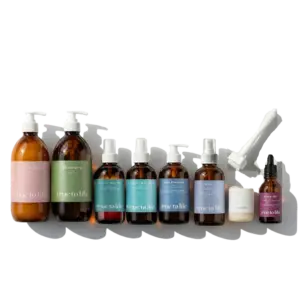
R1,897.00 – R2,480.00Price range: R1,897.00 through R2,480.00
Estimated delivery dates: Nov 6, 2026 - Nov 11, 2026
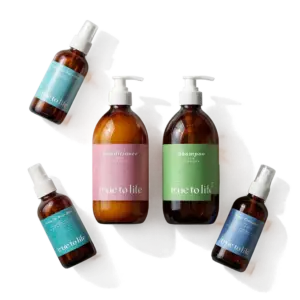
R944.00 – R1,396.00Price range: R944.00 through R1,396.00
Estimated delivery dates: Nov 6, 2026 - Nov 11, 2026
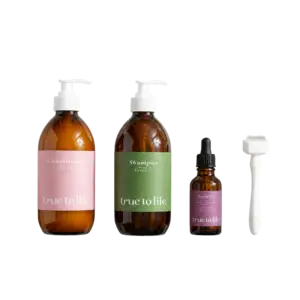
R918.00 – R1,402.00Price range: R918.00 through R1,402.00
Estimated delivery dates: Nov 9, 2026 - Nov 12, 2026
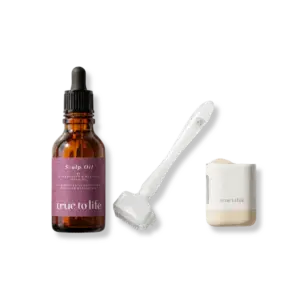
R911.00 – R958.00Price range: R911.00 through R958.00
Estimated delivery dates: Nov 6, 2026 - Nov 11, 2026
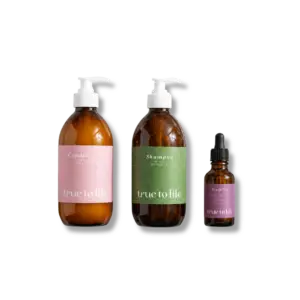
R745.00 – R1,213.00Price range: R745.00 through R1,213.00
Estimated delivery dates: Nov 6, 2026 - Nov 11, 2026
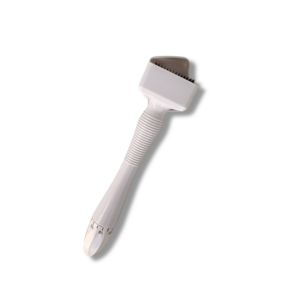
R189.99
Estimated delivery dates: Nov 6, 2026 - Nov 11, 2026
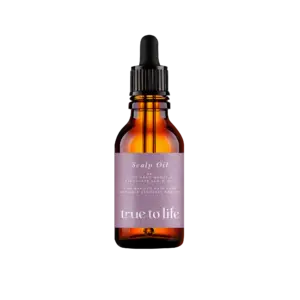
R379.00
Estimated delivery dates: Nov 6, 2026 - Nov 11, 2026
R439.99
Estimated delivery dates: Nov 6, 2026 - Nov 11, 2026
R369.00
Estimated delivery dates: Nov 6, 2026 - Nov 11, 2026
R349.00
Estimated delivery dates: Nov 6, 2026 - Nov 11, 2026
R349.00
Estimated delivery dates: Nov 6, 2026 - Nov 11, 2026
R349.00
Estimated delivery dates: Nov 6, 2026 - Nov 11, 2026
R499.00
Estimated delivery dates: Nov 9, 2026 - Nov 12, 2026
R269.00
Estimated delivery dates: Nov 9, 2026 - Nov 12, 2026
R499.99
Estimated delivery dates: Nov 9, 2026 - Nov 12, 2026
R269.00
Estimated delivery dates: Nov 9, 2026 - Nov 12, 2026
R969.00
Estimated delivery dates: Nov 9, 2026 - Nov 12, 2026
R499.00
Estimated delivery dates: Nov 9, 2026 - Nov 12, 2026
R329.00
Estimated delivery dates: Nov 6, 2026 - Nov 11, 2026
Start your hair growth journey with us.
Take the Hair Assessment to get a your recommended products to support your hair growth journey
Final Thoughts
Product build-up is a common hair care concern, but the solution is not necessarily to use more products or cleanse more aggressively. Understanding your scalp, recognising the signs of excessive residue and choosing suitable cleansing and conditioning products can help you establish a more effective routine.
Although removing product build-up does not guarantee faster hair growth, maintaining good scalp care habits can support scalp comfort and help your hair look and feel its best.
Explore personalised hair care with True to Life™ to find products suited to your scalp, hair and lifestyle because healthy hair care starts with understanding what your hair actually needs.
Views: 9