If you’ve been asking yourself, “Why does my hair look stringy and dry lately?”, especially after finally learning how to embrace your natural curls, you’re not alone.

Many people discover their curly or wavy hair later in life, only to feel frustrated when their curls suddenly lose definition, feel rough, appear thin at the ends, or require a significant amount of gel just to stay together. Add greasy roots and frizzy, dry lengths into the mix, and it can feel impossible to find balance.

The good news is that stringy, dry curls are usually a sign that your hair is lacking something, not that your curls are “bad.” With the right routine and support, curls can become softer, fuller, healthier, and easier to manage again.

Why Does My Hair Look Stringy and Dry?

Stringy hair happens when curls lose their natural clumping pattern. Instead of forming soft, defined curls, the hair separates into thin, limp pieces that appear frizzy, dry, or uneven.

This can happen for several reasons, and often more than one issue is happening at the same time.

Your Hair Is Dehydrated

Curly hair naturally struggles to hold onto moisture because the scalp’s oils have a harder time travelling down the bends of the hair strand. Over time, this can leave the mid-lengths and ends feeling rough, brittle, and straw-like.

Signs of dehydrated curls include:

  • Dry or crunchy ends
  • Frizz that appears quickly after styling
  • Hair that tangles easily
  • Curls that lose shape after one day
  • Hair absorbing products instantly, but still feels dry

When curls are dehydrated, they often need excessive gel or cream just to appear defined temporarily.

Product Buildup Is Weighing Your Hair Down

If your roots get greasy quickly while the rest of your hair feels dry, buildup could be part of the problem.

Heavy gels, creams, oils, silicones, dry shampoo, and even hard water minerals can coat the scalp and hair shaft. This prevents moisture from properly entering the hair while also making the roots oilier faster.

The result?

  • Flat roots
  • Stringy curl clumps
  • Hair that feels coated
  • Dullness
  • Dry ends despite using lots of products

Glycerin Could Be Making Your Curls Worse

When asking “Why does my hair look stringy and dry?”, one thing many curly-haired people don’t realise is that certain “hydrating” ingredients can actually make stringy, frizzy curls worse, and glycerin is one of the biggest examples.

Glycerin is a humectant, meaning it pulls moisture toward the hair. For some curl types, this works beautifully. But for others, especially people struggling with stringy, dry curls, glycerin-heavy products can cause major issues.

This is especially common when:

  • Hair is high porosity or damaged
  • The climate is extremely humid or very dry
  • Hair becomes easily weighed down
  • Products contain large amounts of glycerin near the top of the ingredient list

In humid weather, glycerin can pull excess moisture from the air into the hair shaft. This can make curls swell, separate, lose definition, and become frizzy or stringy throughout the day.

In very dry weather, glycerin may pull moisture out of the hair instead, leaving curls feeling rough, brittle, crunchy, or even drier over time.

Many people notice:

  • Hair looks good initially, then becomes frizzy later
  • Curls separate into thin pieces
  • Hair feels sticky, overly soft, or coated
  • Greasy roots but dry ends
  • Needing more and more gel to control frizz

This is why some people asking “Why does my hair look stringy and dry?”, see dramatic improvement when switching to lower-glycerin or glycerin-free styling routines.

If your hair constantly feels dry despite using moisturising curl products, glycerin overload could be part of the problem.

Your Hair May Need Protein 

Hair needs both moisture and protein to stay healthy. Too much moisture without enough structure can make curls limp, mushy, and stringy. Too much protein can make hair stiff and dry.

If your curls suddenly stopped holding their shape, feel overly soft when wet, or stretch excessively before snapping, your hair may be lacking protein support.

This is especially common after:

  • Bleaching or highlights
  • Heat damage
  • Chemical treatments
  • Long-term overuse of heavy moisturising products

Your Curl Pattern Has Changed

Hormones, stress, medications, nutrition, heat styling, and ageing can all affect curl texture over time. Many people notice their curls becoming looser, frizzier, or more difficult to define after periods of stress or hair damage.

This doesn’t mean your curls are gone forever; they may simply need repair, hydration, and scalp support.

You Might Be Overstyling Your Hair

Using large amounts of gel every wash day can sometimes create temporary definition while masking underlying dryness or damage.

If your curls only look “good” when heavily coated in product, your hair may actually need:

  • Clarifying
  • Deep moisture
  • Scalp care
  • Damage repair
  • A lighter routine

How to Fix Stringy, Dry Curly Hair

The goal is not to force curls into shape with more product. The goal is to restore the hair’s health and balance so curls can form naturally again.

Clarify Your Hair First

Before adding more treatments, remove buildup.

Use a clarifying shampoo every few weeks to clear away:

  • Excess oils
  • Heavy styling products
  • Silicone residue
  • Hard water buildup

Many people are shocked at how much fuller and softer their curls look after properly cleansing the scalp and hair.

Reevaluate Your Styling Products

If your hair gets greasy at the roots but dry through the lengths, or your curls become stringier throughout the day, your products may be working against you.

Try paying attention to whether your products contain large amounts of:

  • Glycerin
  • Heavy oils
  • Butters
  • Sticky gels

Some curls respond much better to lightweight, balanced formulas instead of thick, overly moisturising routines. 

You may benefit from experimenting with:

  • Lower-glycerin products
  • Lightweight leave-ins
  • Light mists instead of thick gels
  • Simpler routines with fewer layers and products

Sometimes curls look healthier when the hair is less coated, not more.

Focus on Moisture,  But Don’t Overdo It

Deep conditioning can help restore softness and elasticity, especially if your hair feels rough or straw-like.

Look for balanced hydration rather than extremely heavy products, especially if your hair gets weighed down easily.

If your hair becomes overly soft, limp, or gummy, balance moisture with occasional protein treatments.

Use Less Product, Not More

When curls are struggling, the instinct is often to add more gel. But too much product can separate curl clumps and worsen buildup.

Try:

  • Applying mists to soaking wet hair
  • Using smaller amounts
  • Choosing lightweight stylers
  • Scrunching instead of over-raking

“Why does my hair look stringy and dry?” Sometimes curls look stringy simply because they’re overloaded.

Protect Your Hair While Sleeping

Friction from pillows can destroy curl definition overnight and increase dryness.

Helpful habits include:

  • Satin pillowcases
  • Satin bonnets
  • Loose hairstyles
  • Refreshing with a light mist instead of restyling heavily

Support Your Scalp Health

Greasy roots and dry ends often point to scalp imbalance. A healthy scalp creates a better environment for healthier curls over time.

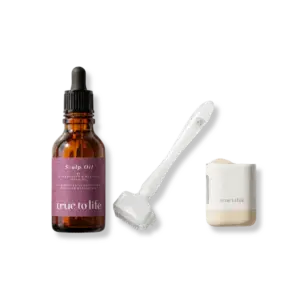
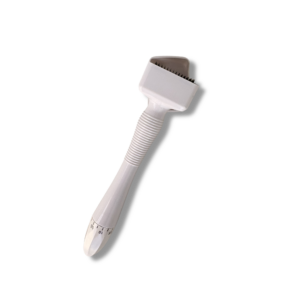
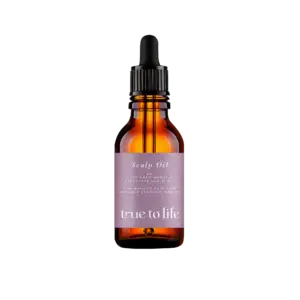
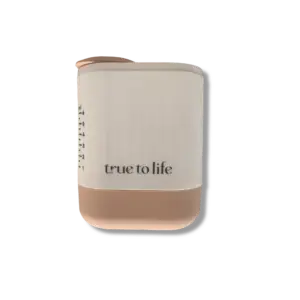
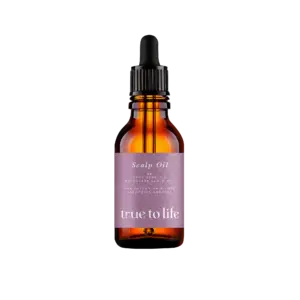
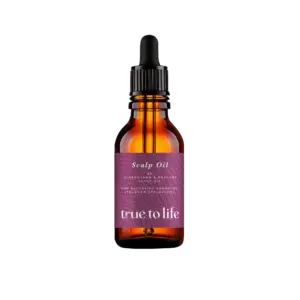
Scalp oils and LED massagers may help improve comfort, dryness, and overall hair condition when used consistently.

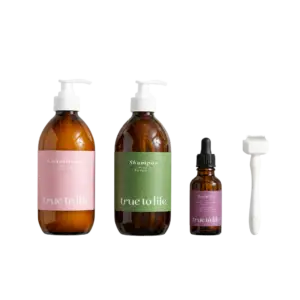
How True to Life Can Help

At True to Life, when we hear “Why does my hair look stringy and dry?”,  we understand how frustrating it feels when your curls stop behaving the way they used to.

Stringy, dry curls are often a sign that the hair and scalp need support, not punishment with stronger products or heavier styling routines.

That’s why we focus on:

  • Restoring moisture balance
  • Supporting scalp health
  • Reducing buildup
  • Strengthening damaged strands
  • Creating healthier conditions for curl definition

For some people, this also means simplifying routines and avoiding ingredients their hair may not tolerate well, including certain heavy humectants or overly coating stylers.

Small, consistent changes can make a major difference over time.

Take a look at our personalised product solutions

Start your hair growth journey with us.

Take the Hair Assessment to get a your recommended products to support your hair growth journey

Final Thoughts

If you keep wondering, “Why does my hair look stringy and dry?” remember that curls are constantly responding to your hair’s overall condition.

Dryness, buildup, ingredient overload, scalp imbalance, damage, and even ingredients like glycerin can all disrupt curl definition and leave hair looking frizzy, thin, limp, or rough.

The good news is that curls are often more resilient than they seem. With the right care, moisture balance, scalp support, and a routine tailored to your hair’s actual needs, curls can gradually become softer, healthier, fuller, and easier to style again.

Related Articles

damaged hair treatment, bleached hair, heat damaged hair

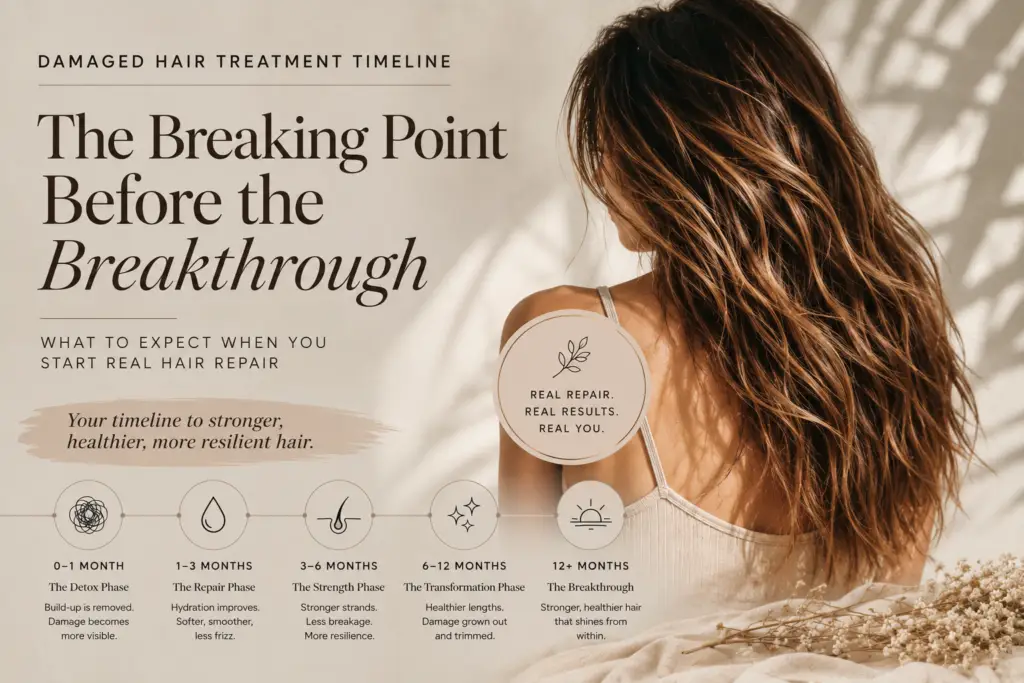
Damaged Hair Treatment Timeline: The Breaking Point That Leads to Breakthrough

oily scalp and dry hair

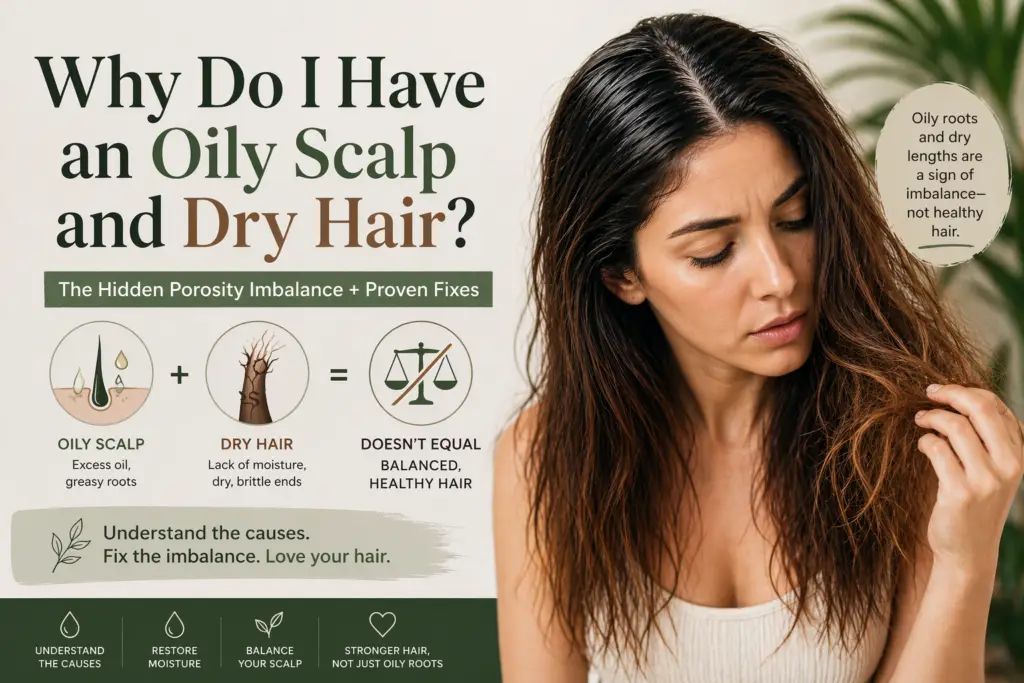
Why Do I Have An Oily Scalp And Dry Hair? The Frustrating Truth About High Porosity + Proven Fixes

Oily Scalp Dry Damaged Ends

Caring for an Oily Scalp with Dry, Damaged Ends – Low Porosity Hair