Free shipping on orders over R1180 | First order? Get 10% off orders of R499 and above instead

“#1 Frizz Control, Shine & Hydration Leave-in Hair Mist” has been added to your basket. View basket
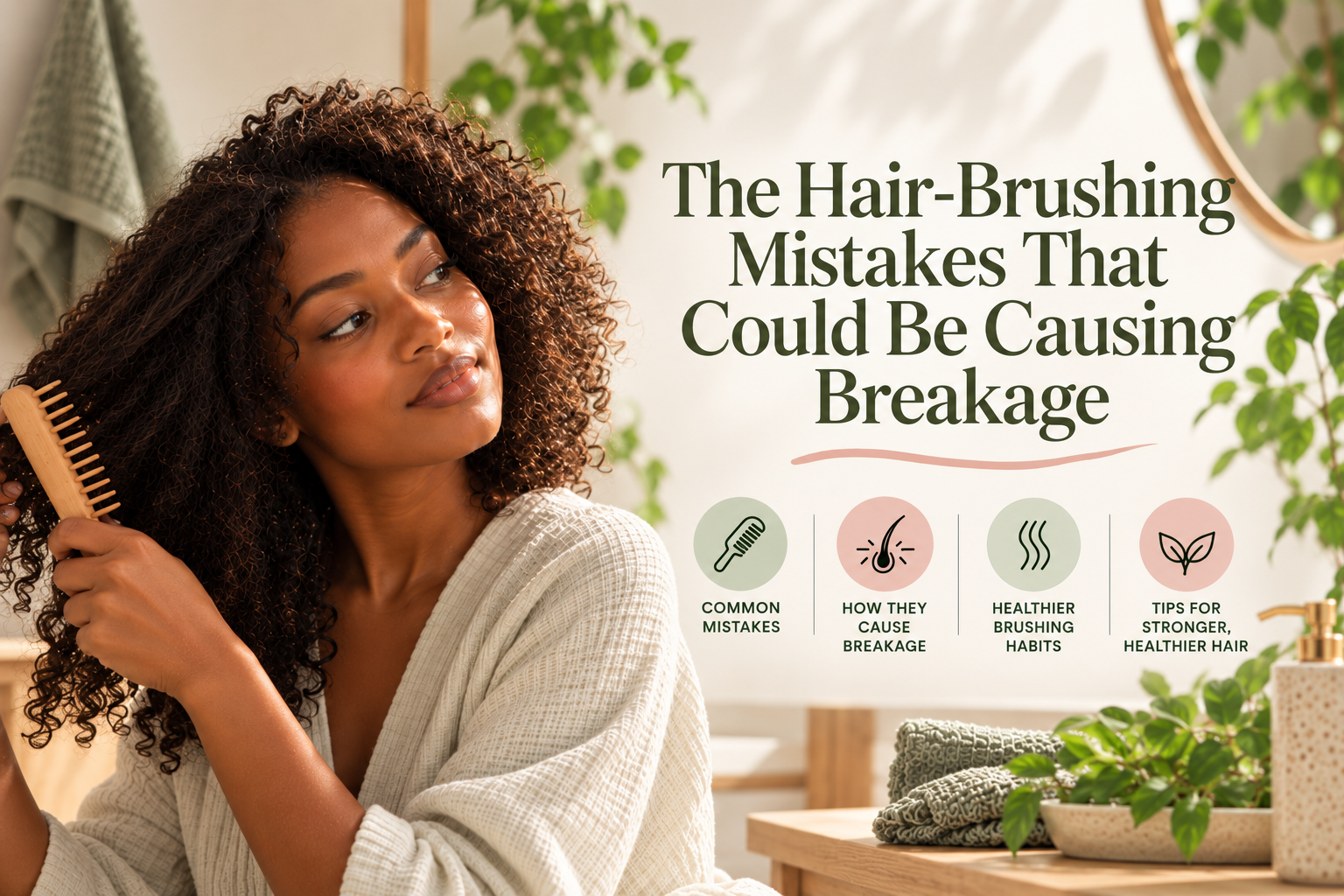
The Hair-Brushing Mistakes That Could Be Causing Breakage
Most of us brush our hair without thinking much about it. But if you are constantly pulling through knots, brushing too aggressively or using a brush that is not suited to your hair, you could be contributing to unnecessary breakage. Hair breakage from brushing can happen when too much tension and friction are placed on the hair, particularly when it is already dry, tangled or damaged.
The good news is that a few simple changes to your brushing technique and hair care routine can make detangling much gentler. From starting at the ends instead of the roots to adding moisture before brushing, here is how to minimise breakage and keep your hair more manageable.
What Causes Hair Breakage From Brushing?
Your hair becomes more vulnerable to breakage when it is dry, damaged or tangled. Running a brush forcefully through a knot creates tension on the strands, and repeatedly doing this can cause individual hairs to snap.
Your brush can also contribute to the problem. Brushes with damaged or harsh bristles may catch on the hair, while using a brush that is not suitable for your hair type can make detangling more difficult.
However, it is not necessarily the brush itself that is causing the problem. The way you brush, the condition of your hair and how you prepare it before detangling can all affect how much tension is placed on your strands.
How to Prevent Hair Breakage From Brushing
One of the easiest ways to reduce hair breakage from brushing is to change the direction in which you detangle.
Instead of starting at your roots and pulling all the way down through every knot, begin at the ends of your hair. Gently work through the bottom few centimetres first, then gradually move higher up the hair shaft as each section becomes detangled.
For particularly tangled hair, separate it into smaller sections and work through each one individually. You can also hold the section of hair above the knot while brushing underneath it. This helps reduce the amount of pulling and tension transferred to the hair at your scalp.
Avoid repeatedly forcing the brush through a knot. If you encounter resistance, stop and gently work through the tangle rather than pulling harder.
Start at the Ends to Reduce Hair Breakage
Starting from the bottom of your hair may seem like a small change, but it can make a significant difference when detangling.
If you start at the roots, every knot you encounter can collect more hair as you brush downwards, creating one large tangled section. Starting at the ends means you are dealing with smaller tangles at a time.
Work upwards gradually:
- Begin at the ends of your hair.
- Gently detangle the bottom section.
- Move slightly higher once that section is smooth.
- Continue working upwards until you reach the roots.
- Finish with a gentle brush through the full length of your hair.
This approach helps minimise unnecessary pulling and can make brushing much more comfortable, especially if your hair is long or prone to tangling.
Can Dry, Tangled Hair Increase Hair Breakage From Brushing?
Dry, rough hair can be more difficult to detangle because there is less slip between the strands. When hair catches and knots easily, you may find yourself brushing the same area repeatedly or pulling harder to get through it.
Adding some moisture before brushing can help make the process easier.
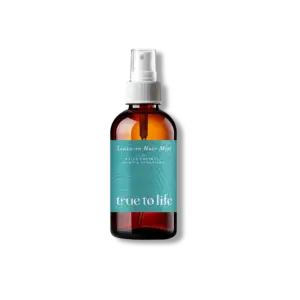
A lightweight hair mist can provide hydration and help improve manageability before you begin detangling. Rather than immediately reaching for your brush and trying to force your way through a knot, lightly misting the hair first can help reduce friction and make the strands easier to work through.
A suitable leave-in product or heat protectant can also help provide slip, depending on the formula. If you are about to use heat styling tools, applying your heat protectant before styling is important, and choosing one that also helps with manageability can make detangling easier too.
Can Brushing Wet Hair Cause Hair Breakage?
Wet hair is more vulnerable to stretching, so it is important to be gentle when detangling it.
Rather than aggressively brushing straight through freshly washed hair, gently remove excess water with a towel and use a suitable detangling tool. Work in sections and start at the ends, just as you would when brushing dry hair.
If your hair becomes particularly difficult to detangle after washing, this may also be a sign that it needs more conditioning and moisture rather than more aggressive brushing.
How Your Hair Care Routine Can Help With Hair Breakage From Brushing
The easier your hair is to manage, the less force you should need to use when brushing.
Dryness, damage and rough-feeling hair can make knots more difficult to work through. This is why your shampoo, conditioner and treatments can play a role in your overall detangling routine.
True to Life™ shampoos are personalised according to your hair and scalp needs, rather than relying on generic off-the-shelf products. Many customers report significant improvements in detangling and manageability after finding a formula suited to their hair.
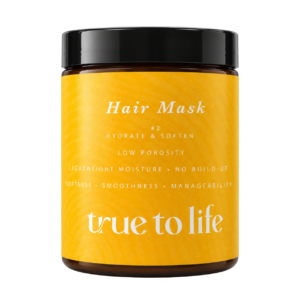
For hair that needs additional conditioning, a hair mask can also help improve softness and manageability. When your hair feels smoother and easier to work through, you may not need to pull or repeatedly brush through stubborn knots.
How Outdoor Exposure Can Contribute to Hair Breakage
Your hair does not only become dry or tangled from your everyday hair routine. Time spent outdoors can also affect how your hair feels and behaves.
Sun exposure, wind, salt water and other environmental factors can leave the hair feeling dry and rough. If you regularly participate in outdoor activities or sports, your hair may be exposed to these conditions more frequently, which can make detangling more difficult.
When hair is dry and difficult to manage, brushing through it can create additional tension and contribute to hair breakage from brushing.
This is where giving your hair some extra care after outdoor exposure can be helpful. True to Life™’s Surf + Sun Repair Mask is designed specifically for hair exposed to sun, surf and other outdoor conditions, helping provide the additional care your hair may need after time spent outside.
Protect Your Hair Between Brushes
Preventing unnecessary tangles in the first place can also reduce how much brushing your hair needs.
If your hair tends to become tangled while you sleep, consider wearing it in a loose protective style such as a loose braid or using a satin or silk bonnet. A satin or silk pillowcase can also help reduce friction while you sleep.
You can also use a hydrating leave-in mist between washes to help keep your hair feeling moisturised and manageable. Adding a light layer of hydration can help reduce dryness and make your hair easier to detangle the next time you brush it, particularly if your hair tends to become dry or knotty between washes.
During outdoor activities, keeping your hair loosely tied back or protected can help prevent excessive tangling from wind and movement. Just make sure your hairstyle is not so tight that it creates unnecessary tension around your hairline or scalp.
Avoid wearing the same tight hairstyle every day, particularly if you notice breakage around your hairline or where your hair tie sits.
Does Your Hairbrush Need Replacing?
Even the best brushing technique cannot completely compensate for a brush that is no longer in good condition.
Check your brush regularly for broken, bent or damaged bristles. These can catch on the hair and make detangling more difficult.
It is also important to keep your brush clean. Hair, product residue and oils can build up between the bristles over time, so cleaning your brush regularly should be part of your hair care routine.
Most importantly, choose a brush or comb that works with your hair type and the way you prefer to style and detangle it. There is no single brush that is perfect for every head of hair.
How True to Life™ Can Help Reduce Hair Breakage From Brushing
If your hair is consistently difficult to detangle, the solution may not be changing your brush. Your hair may need a different level of moisture, conditioning or care.
True to Life™ creates personalised haircare formulas based on factors such as your hair type, porosity, scalp needs, lifestyle and specific hair concerns. Our shampoos are designed to provide the care your individual hair needs, while our masks offer additional conditioning when your hair needs more intensive support.
For hair exposed to sun, wind, salt water and outdoor activities, our Surf + Sun Repair Mask can provide targeted care. A hair mist can also be used before brushing to add hydration and improve manageability.
If you are unsure what is making your hair difficult to detangle or what products would be most suitable for your needs, you can book a free 15-minute video consultation with True to Life™. Our team can help you understand your hair and scalp needs and guide you towards a personalised routine.

R369.00
Estimated delivery dates: Nov 10, 2026 - Nov 13, 2026
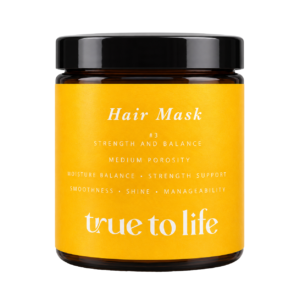
R339.00
Estimated delivery dates: Nov 10, 2026 - Nov 13, 2026
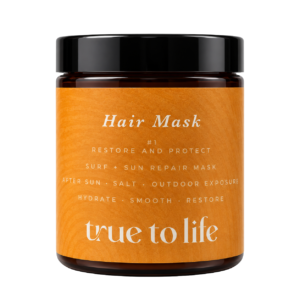
R515.00
Estimated delivery dates: Nov 10, 2026 - Nov 13, 2026
R309.00
Estimated delivery dates: Nov 10, 2026 - Nov 13, 2026
R279.00
Estimated delivery dates: Nov 10, 2026 - Nov 13, 2026
R279.00
Estimated delivery dates: Nov 10, 2026 - Nov 13, 2026
R269.00
Estimated delivery dates: Nov 10, 2026 - Nov 13, 2026
R249.00
Estimated delivery dates: Nov 10, 2026 - Nov 13, 2026
Start your hair growth journey with us.
Take the Hair Assessment to get a your recommended products to support your hair growth journey
Final Thoughts
Brushing your hair should not involve fighting through knots or repeatedly pulling on stubborn sections. Small changes, such as starting at the ends, working in sections and adding moisture before detangling, can make brushing much gentler.
Your overall hair condition matters too. Keeping your hair moisturised and well-conditioned can improve manageability, while protecting it from environmental exposure and avoiding unnecessary tension can help reduce the amount of damage your hair experiences.
The goal is not to avoid brushing altogether. It is to make every brush stroke gentler on your hair.
Views: 194