Skip to content
Free shipping on orders over R980 | First order? Get 10% off orders of R499 and above instead

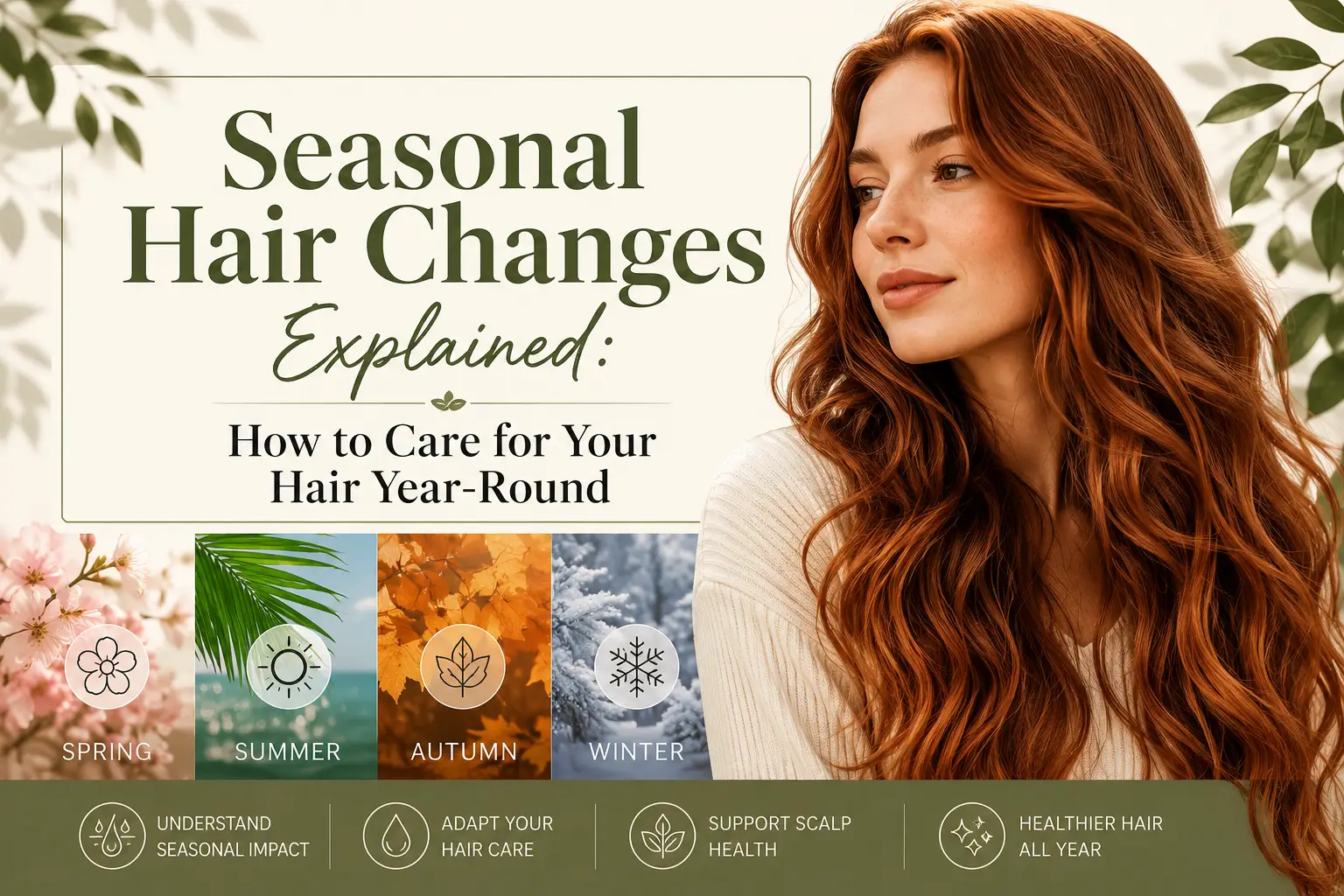
Seasonal Hair Changes Explained: How to Care for Your Hair Year-Round
Have you ever noticed that your hair suddenly sheds more in autumn, becomes frizzier on humid summer days, or leaves your scalp feeling dry and itchy in winter? These seasonal hair changes are more common than many people realise.
Just as your skin responds to changes in temperature and humidity, your hair and scalp react to the environment around them. Everything from UV exposure and humidity to indoor heating and cold weather can affect your scalp’s oil production, moisture levels and even your hair’s strength.
Understanding seasonal hair changes can help you adapt your routine throughout the year, keeping your hair healthier and your scalp more comfortable no matter the season.
Why Do Seasonal Hair Changes Happen?
Several environmental factors influence your hair and scalp throughout the year, including:
- Temperature
- Humidity
- UV exposure
- Wind
- Indoor heating
- Air conditioning
- Swimming in chlorine or salt water
Your scalp is living skin. When weather conditions change, your scalp’s natural balance can change too. These seasonal hair changes may lead to increased oiliness, dryness, frizz, irritation or temporary shedding.
Rather than assuming something is wrong, recognising these natural changes can help you make small adjustments before minor concerns become bigger problems.
Spring: A Time of Renewal (and Shedding)
Spring often brings warmer temperatures, but it can also bring noticeable seasonal hair changes, particularly increased shedding.
Many people naturally lose slightly more hair during spring as part of the hair growth cycle. While it can feel alarming, temporary seasonal shedding is usually nothing to worry about.
Your scalp may also begin producing more oil as temperatures rise, especially if you’ve spent winter using richer hair products.
Spring hair care tips
- Continue washing your hair regularly to prevent oil build-up.
- Avoid changing products too quickly if you notice mild shedding.
- Focus on maintaining a healthy scalp with gentle cleansing and hydration.
- Eat a balanced diet to support healthy hair growth.
Summer: Heat, Humidity and UV Exposure
Summer is often when seasonal hair changes become the most noticeable.
Higher temperatures increase sweating, while humidity can cause frizz and make hair feel difficult to manage. UV rays can also weaken the hair cuticle, leaving strands drier and more prone to breakage.
If you swim regularly, chlorine and saltwater may strip moisture from both your hair and scalp.
Common summer concerns include:
- Oily scalp
- Frizz
- Dry ends
- Colour fading
- Sun damage
- Product build-up from sweat and sunscreen
Summer hair care tips
- Wash your hair as often as your scalp needs, especially after excessive sweating.
- Wear a hat during prolonged sun exposure.
- Rinse your hair after swimming.
- Use hydrating treatments to replace lost moisture such as leave-in mists or hair masks.
- Choose lightweight products if your scalp becomes oilier.
Autumn: Seasonal Shedding Returns
Another common period for seasonal hair changes is autumn.
Many people notice increased hair shedding during autumn, sometimes called seasonal hair loss. Researchers believe this may be linked to natural hair growth cycles and changes in daylight hours.
Although seeing extra hairs in the shower or on your hairbrush can be unsettling, this type of shedding is usually temporary.
Autumn is also a good opportunity to repair any damage caused by the summer sun, chlorine or heat.
Autumn hair care tips
- Be patient if you notice temporary shedding.
- Continue supporting your scalp with regular cleansing.
- Increase hydration if your hair feels dry after summer with leave-in mists.
- Reduce unnecessary heat styling where possible.
Winter: Dry Air and an Uncomfortable Scalp
Cold weather brings a different set of seasonal hair changes.
Outdoor air contains less moisture, while indoor heating can further dry both your hair and scalp. This often leads to:
- Dry scalp
- Itching
- Flaking
- Static
- Brittle hair
- Increased breakage
Many people mistake winter dryness for dandruff, but the two conditions require different approaches.
Winter hair care tips
- Use richer conditioners if your hair feels dry.
- Avoid washing with very hot water.
- Add moisture back into your routine with nourishing treatments such as leave-in mists or hair masks.
- Protect your hair from harsh winter weather when outdoors.
Signs It’s Time to Adjust Your Routine
One of the biggest mistakes people make is using the same products all year round.
If you’re experiencing seasonal hair changes, your current routine may no longer be giving your scalp what it needs.
It may be time to make adjustments if you notice:
- Your scalp becomes oilier than usual.
- Your hair feels much drier.
- You develop new flakes or irritation.
- Your hair becomes noticeably frizzier.
- You experience more breakage than usual.
Making small seasonal changes to your routine is often more effective than completely replacing every product.
How to Build a Seasonal Hair Care Routine
Instead of following trends, pay attention to what your own scalp is telling you.
During warmer months, you may benefit from:
- Lighter products
- More frequent cleansing
- Extra UV protection
During colder months, you may need:
- More hydration
- Richer conditioners
- Less frequent heat styling
- Additional scalp nourishment
Remember that everyone’s scalp responds differently. Some people experience excess oil in summer, while others mainly struggle with winter dryness.
How Personalised Hair Care Can Help with Seasonal Hair Changes
Because everyone’s scalp responds differently to the changing seasons, there isn’t a single routine that works for everyone.
At True to Life™, we believe understanding your scalp is the first step towards healthier hair. Whether your seasonal hair changes leave you dealing with dryness, excess oil, increased shedding, frizz or a sensitive scalp, choosing products based on your individual scalp condition can make a meaningful difference.
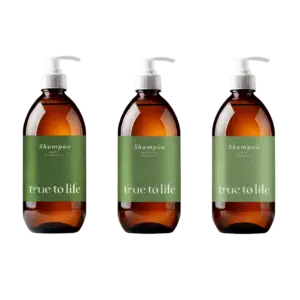
Rather than relying on generic off-the-shelf products, our personalised shampoos are formulated to support a wide range of scalp concerns, including:
- Dry scalp
- Oily scalp
- Combination scalp
- Dandruff
- Scalp eczema
- Scalp psoriasis
- Normal scalp
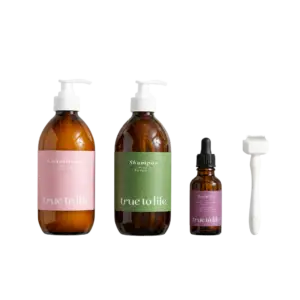
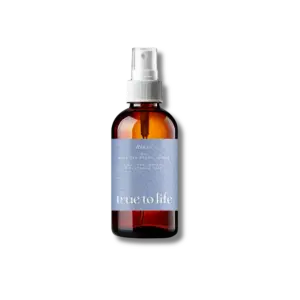
We also offer customised conditioners, hydrating leave-in mists that combat frizz or enhance curls, hair masks, heat protectors, and plant-based scalp oils. This allows you to build a personalised, natural hair care routine that adapts to your hair’s changing needs throughout the year.
If you’re unsure where to start, our free personalised hair consultation and online hair quiz can help identify your scalp concerns and recommend a routine tailored specifically to you.
Frequently Asked Questions
Does hair grow faster in summer?
Some studies suggest hair may grow slightly faster during warmer months due to increased blood circulation and seasonal biological changes. However, the difference is usually small.
Why does my hair fall out more in autumn?
Temporary seasonal shedding is common during autumn and is thought to be linked to the natural hair growth cycle. It usually settles within a few months.
Can weather cause dandruff?
Weather doesn’t directly cause dandruff, but changing temperatures can affect your scalp. Winter dryness may cause flaking, while warmer weather may increase oil production that can worsen dandruff in some people.
Should I change my shampoo with the seasons?
Not everyone needs to, but if you’re experiencing noticeable seasonal hair changes, adjusting your products to suit your scalp’s current needs can help keep your hair and scalp balanced.

R369.00
Estimated delivery dates: Sep 23, 2026 - Sep 28, 2026

R339.00
Estimated delivery dates: Sep 23, 2026 - Sep 28, 2026

R515.00
Estimated delivery dates: Sep 23, 2026 - Sep 28, 2026

R309.00
Estimated delivery dates: Sep 23, 2026 - Sep 28, 2026
R918.00 – R1,402.00Price range: R918.00 through R1,402.00
Estimated delivery dates: Sep 24, 2026 - Sep 29, 2026
R279.00
Estimated delivery dates: Sep 23, 2026 - Sep 28, 2026
R279.00
Estimated delivery dates: Sep 23, 2026 - Sep 28, 2026
R499.00
Estimated delivery dates: Sep 24, 2026 - Sep 29, 2026
R269.00
Estimated delivery dates: Sep 24, 2026 - Sep 29, 2026
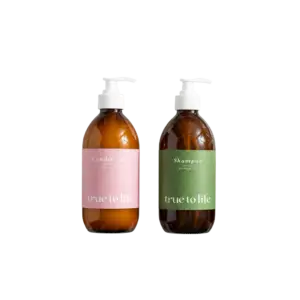
R969.00
Estimated delivery dates: Sep 24, 2026 - Sep 29, 2026
R499.00
Estimated delivery dates: Sep 24, 2026 - Sep 29, 2026
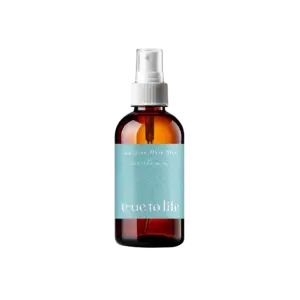
R269.00
Estimated delivery dates: Sep 23, 2026 - Sep 28, 2026
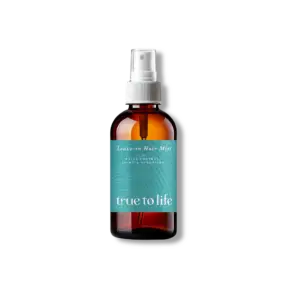
R249.00
Estimated delivery dates: Sep 23, 2026 - Sep 28, 2026
Start your hair growth journey with us.
Take the Hair Assessment to get a your recommended products to support your hair growth journey
Final Thoughts
Seasonal hair changes are a normal part of how your hair and scalp respond to the environment. From increased shedding in autumn to dryness in winter and oiliness during summer, these changes don’t necessarily mean there’s a problem.
By paying attention to your scalp throughout the year and adapting your routine when needed, you can keep your hair healthier in every season.
If you’re struggling to manage recurring seasonal hair changes, choosing a personalised hair care routine designed around your unique scalp needs can help you stay one step ahead, whatever the weather.
Post Views: 134