Skip to content
Free shipping on orders over R1180 | First order? Get 10% off orders of R499 and above instead

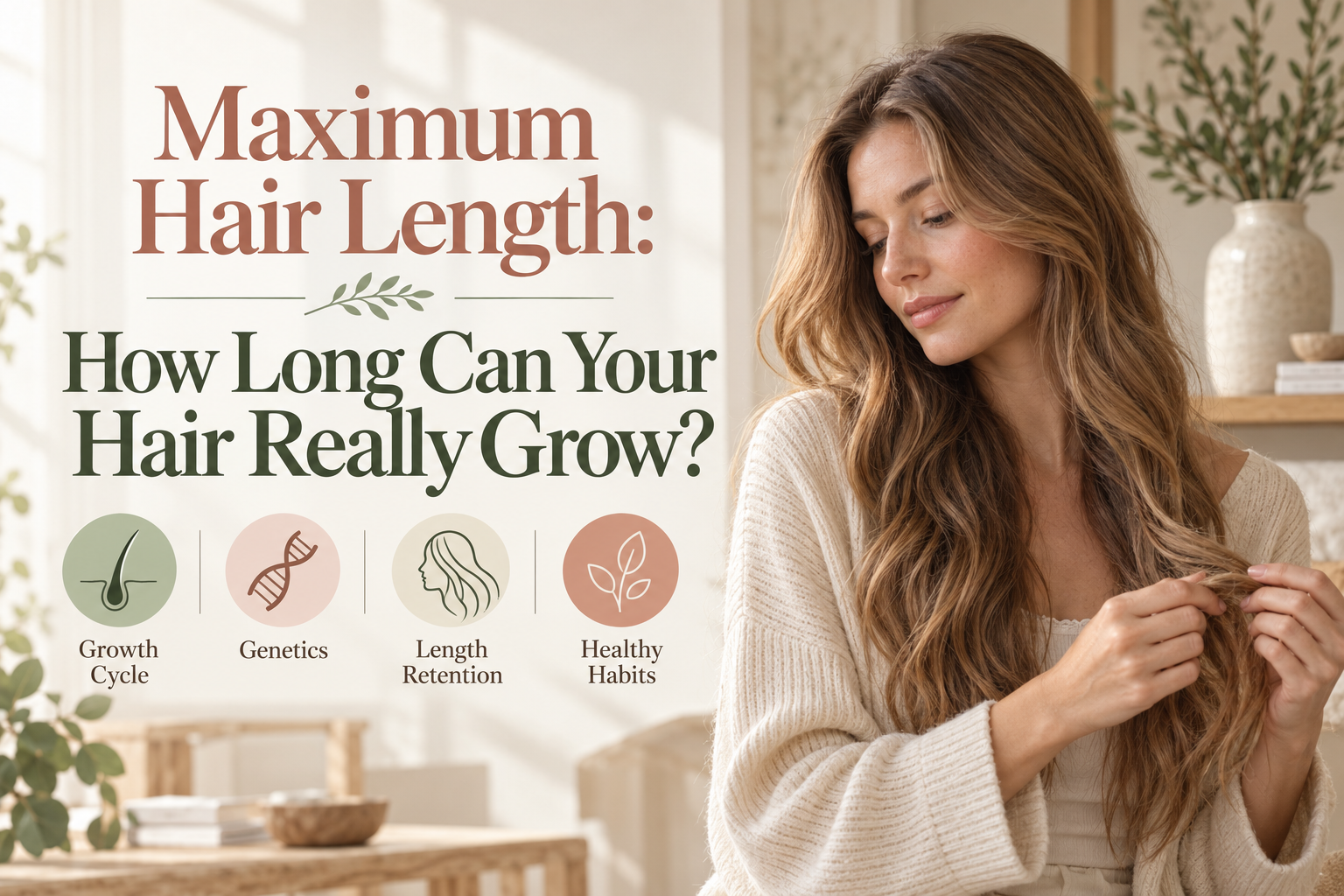
Maximum Hair Length: How Long Can Your Hair Really Grow?
If your hair always seems to reach the same point and then stop getting longer, you may wonder whether your hair has reached its limit. While some people naturally have a shorter maximum hair length than others, there are several reasons why you may not be seeing the length you expect.
Your hair may be growing normally at the scalp, but the length can become harder to see if you are losing some of it through breakage, split ends or regular trims. Understanding what is happening to your hair can help you work out whether you are dealing with a retention issue or simply reaching your hair’s natural maximum length.
What Determines Your Maximum Hair Length?
Not everyone can grow their hair to the same length. Hair grows in cycles, and how long an individual hair stays in its active growth phase can vary from person to person.
If your hair stays in its growth phase longer, individual strands have more time to grow before they naturally shed. Someone else may have a shorter growth phase, meaning their hair may naturally reach a shorter maximum length.
This does not mean that one person’s hair is healthier than another’s. You cannot necessarily make your hair grow indefinitely simply by improving your routine. Some people may naturally grow their hair to their waist, while others may never reach that length, even with excellent hair care.
However, reaching a natural maximum length is different from your hair suddenly stopping growth. If you have noticed a change, or your hair repeatedly breaks at the same point, other factors may be affecting how much length you retain.
Your Hair May Be Growing, But You May Not Be Retaining the Length
Hair grows at the scalp, while length retention depends on keeping the hair that has already grown.
This means your roots can continue growing while your overall length appears unchanged. If the ends are breaking at roughly the same rate as new length is being added, you may feel as though your hair has stopped growing altogether.
Many aspects of your hair care routine affect length retention, from how you detangle and style your hair to the condition of your ends.
If you want to understand the difference between hair growth and length retention in more detail, read our guide to Hair Growth vs Hair Length Retention.
Could Breakage Be Limiting Your Hair Length?
Breakage is one of the most common reasons hair may seem unable to grow past a certain length. The longer your hair gets, the older the ends are and the more they’ve been exposed to washing, brushing, styling, friction, and environmental stress.
Repeated stress can weaken the hair shaft, making individual strands more likely to snap before you see their full potential length.
Breakage can come from many sources, including rough detangling, excessive heat, chemical processing, tight hairstyles and repeated manipulation. Dry or difficult-to-manage hair can also be more vulnerable because it may require more force to brush and detangle.
You do not need to eliminate every source of everyday wear and tear. Instead, consider which habits repeatedly stress your hair and whether you can handle those areas more gently.
For a more detailed guide, read How to Grow Longer Hair Without Constant Breakage.
How Split Ends Can Affect Hair Length
Split ends are another reason your hair may struggle to maintain its length.
Your ends are the oldest part of your hair, so they have experienced the most wear and tear. Once the protective outer layer is damaged and a strand begins to split, you can’t permanently repair the damage.
If you leave split ends unaddressed, splitting can travel further up the hair shaft and cause additional breakage. This can gradually reduce the length you can retain.
If your ends regularly become split, dry, or fragile, it is worth looking at what may be causing the damage rather than simply trimming the split ends and continuing the same routine.
Could Your Hair’s Porosity Be Affecting Length Retention?
Your hair’s porosity can influence how it responds to moisture and how easy it is to keep your strands manageable.
Hair with different porosity levels can have different care needs. For example, hair that struggles to absorb moisture may require a different approach from hair that loses moisture easily and is more prone to dryness.
When your hair is easier to manage and less prone to excessive dryness or tangling, you may be able to reduce unnecessary handling that can contribute to damage.
This is one reason a personalised hair care routine can be more useful than choosing products based only on a broad hair type. Your scalp, strand condition, porosity, and everyday habits can all shape what your hair needs.
Are Your Trims Removing the Length You’re Growing?
Sometimes the issue isn’t that your hair isn’t growing, but that you are removing new length before you have a chance to see significant progress.
Regular trims can help when your ends are severely damaged, but how much you trim and how often can affect how quickly your overall length changes.
For example, if your hair grows around the same amount that you regularly trim away, your overall length may appear relatively unchanged.
This does not mean you should avoid trimming altogether. Instead, consider whether you are removing damaged ends when necessary or following a trimming schedule that removes more length than you actually need.
Why Your Ends May Look Thinner as Your Hair Gets Longer
Longer hair does not necessarily have the same density from roots to ends.
The ends are older and have experienced more years of everyday wear, which can make them more vulnerable to splitting, breakage and thinning. This can become particularly noticeable as your hair gets longer.
You may therefore have hair that is technically still growing, while the bottom sections become progressively thinner or less full.
If the ends are becoming noticeably thinner, focus on their condition rather than only on how quickly your roots are growing. Improving the condition and manageability of your existing hair can help you retain more of the length you grow.
How to Give Your Hair the Best Chance of Reaching Its Full Length
You cannot change every factor that determines your maximum hair length, but you can give your existing hair the best possible chance of staying intact.
Start by paying attention to how your hair behaves throughout your routine. If your hair regularly feels dry, tangles easily, or breaks during brushing, your current routine may need adjusting.
Consider:
- Using conditioning products suited to your hair’s needs
- Detangling gently, starting at the ends and working upwards
- Limiting unnecessary heat and using heat protection when styling
- Avoiding repeated tension on the same areas of your hair
- Reducing unnecessary manipulation between wash days
- Paying attention to persistent split or damaged ends
- Protecting your hair from excessive friction where possible
The goal is not to eliminate every possible source of damage. The goal is to reduce unnecessary stress so more of the growth you naturally produce stays intact.
When Your Hair’s Lack of Growth May Need More Investigation
If your hair has always reached a similar length and otherwise looks healthy, your natural growth cycle may explain it.
However, a sudden change in your hair growth, significant shedding, noticeable thinning, or persistent breakage may be worth further investigation. Your scalp and overall health can influence your hair, so don’t automatically treat a significant or unexplained change as a hair care problem.
If you are concerned about a change in your hair or scalp, consider speaking with a dermatologist or other appropriate healthcare professional.
True to Life™: Your Maximum Hair Length Is Personal
No single maximum hair length applies to everyone. Your natural hair growth cycle, the condition of your strands, your scalp, and your everyday hair care habits can all influence how much length you can ultimately achieve.
At True to Life™, we believe your hair care routine should reflect what your hair actually needs rather than relying on generic off-the-shelf products.
By understanding your individual scalp and hair concerns, you can make more intentional choices about cleansing, conditioning, detangling and protecting your hair. The goal is not to force your hair to reach an unrealistic length. The goal is to give it the best possible chance to reach and maintain the length that is naturally achievable for you.

R369.00
Estimated delivery dates: Nov 9, 2026 - Nov 12, 2026
R339.00
Estimated delivery dates: Nov 9, 2026 - Nov 12, 2026

R515.00
Estimated delivery dates: Nov 9, 2026 - Nov 12, 2026

R309.00
Estimated delivery dates: Nov 9, 2026 - Nov 12, 2026
R918.00 – R1,402.00Price range: R918.00 through R1,402.00
Estimated delivery dates: Nov 10, 2026 - Nov 13, 2026
R279.00
Estimated delivery dates: Nov 9, 2026 - Nov 12, 2026
R279.00
Estimated delivery dates: Nov 9, 2026 - Nov 12, 2026
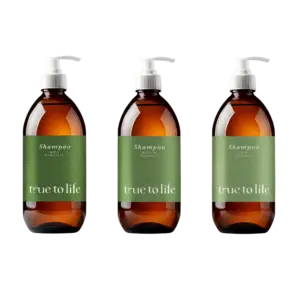
R499.00
Estimated delivery dates: Nov 10, 2026 - Nov 13, 2026
R269.00
Estimated delivery dates: Nov 10, 2026 - Nov 13, 2026
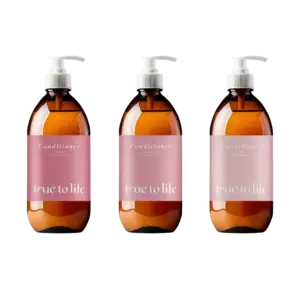
R499.99
Estimated delivery dates: Nov 10, 2026 - Nov 13, 2026
R269.00
Estimated delivery dates: Nov 10, 2026 - Nov 13, 2026
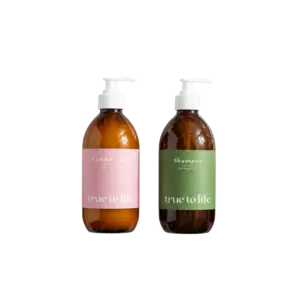
R969.00
Estimated delivery dates: Nov 10, 2026 - Nov 13, 2026
R499.00
Estimated delivery dates: Nov 10, 2026 - Nov 13, 2026
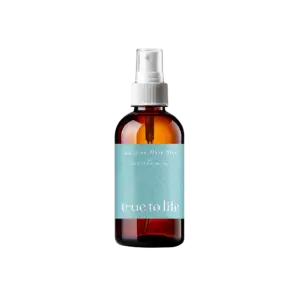
R269.00
Estimated delivery dates: Nov 9, 2026 - Nov 12, 2026
R249.00
Estimated delivery dates: Nov 9, 2026 - Nov 12, 2026
Start your hair growth journey with us.
Take the Hair Assessment to get a your recommended products to support your hair growth journey
Final Thoughts
If your hair never seems to grow past a certain length, there may be more than one explanation.
You may be reaching your natural maximum hair length, or you may be growing new hair while losing length through breakage, split ends, thinning ends, or regular trims.
Instead of assuming your hair needs to grow faster, look at the bigger picture. Understanding your natural growth cycle and caring for the hair you already have can help you work out what may be limiting your length.
Your longest possible hair is not necessarily the same as someone else’s. The goal is to understand your hair, protect the length you can grow, and give it the best chance to reach its potential.
Views: 102