Skip to content
Free shipping on orders over R1180 | First order? Get 10% off orders of R499 and above instead

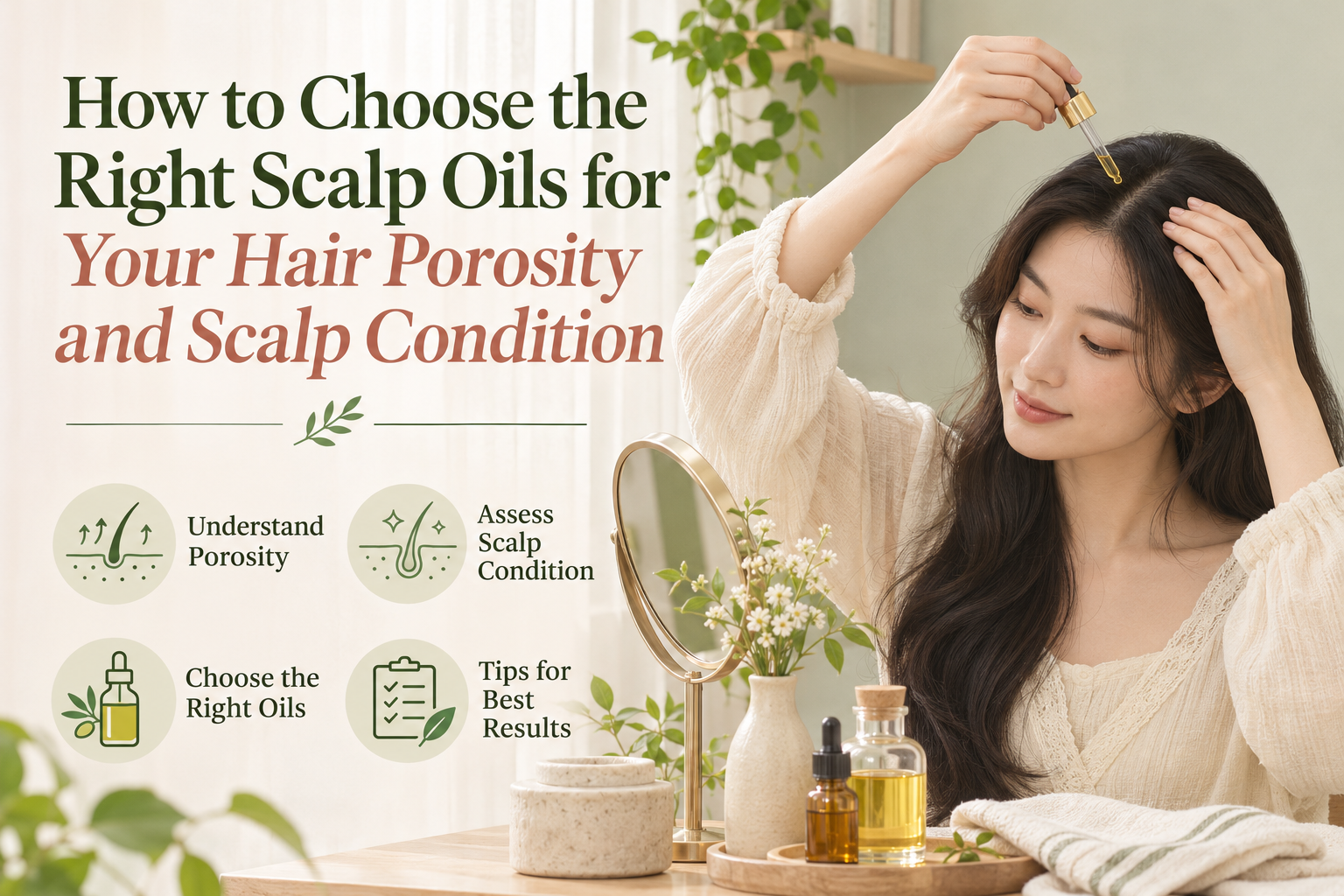
How to Choose the Right Scalp Oils for Your Hair Porosity and Scalp Condition
A healthy scalp is an important part of maintaining healthy hair, but finding the right products to support it isn’t always simple. With so many different scalp oils and ingredients available, knowing which ones are best suited to your needs can be confusing. Your hair porosity, scalp condition and individual concerns all play a role in determining which oils may be most suitable for your routine.
In this guide, we’ll explore how to choose scalp oils based on these factors, look at the ingredients commonly used in scalp care, and introduce the six True to Life™ Scalp Oils designed for different hair and scalp needs.
What Are Scalp Oils and How Do They Work?
Scalp oils are formulated to nourish, condition and support the scalp as part of a regular hair care routine. Depending on their ingredients, scalp oils can help maintain moisture, soften dry skin, condition the hair around the roots and support a healthier scalp environment. However, not all scalp oils serve the same purpose, and choosing the right formulation depends on understanding your individual scalp and hair needs.
Plant-based oils contain different fatty acids, vitamins and naturally occurring compounds that offer various conditioning and protective properties. Some, such as jojoba oil, are commonly used in scalp formulations to help maintain balance, while others, such as argan and baobab oil, are valued for their moisturising properties.
Some scalp oil formulations also include essential oils, including rosemary, lavender, and tea tree. These concentrated botanical ingredients have different properties and should always be appropriately diluted before application.
Although scalp oils can contribute to a healthy scalp care routine, they should not be confused with medical treatments for hair loss. Supporting scalp health and stimulating new hair growth are two different things. The effectiveness of an oil depends on its ingredients, formulation and the underlying cause of any hair concerns.
Why Your Scalp Condition Matters When Choosing Scalp Oils
One of the most important considerations when selecting scalp oils is the condition of your scalp. A dry scalp has different needs from an oily scalp, while someone experiencing excessive shedding may require a different approach altogether.
Using an unsuitable oil or applying too much product can contribute to build-up, irritation or discomfort. Understanding what your scalp needs helps you make more informed choices.
Dry and Dehydrated Scalps
A dry scalp may feel tight, uncomfortable or flaky. Environmental factors, frequent washing, harsh cleansing products and changes in humidity can all contribute to scalp dryness.
Oils containing argan, jojoba and baobab can help condition the scalp and reduce moisture loss. Aloe vera is another popular ingredient in scalp care formulations because of its hydrating and soothing properties.
If your scalp tends to become dry, look for formulations that support hydration without leaving excessive residue.
Oily Scalps and Excess Sebum
An oily scalp produces more sebum, the natural oil that helps lubricate the scalp and hair. Although sebum is necessary for maintaining scalp comfort, excessive accumulation can leave the roots feeling greasy and contribute to product build-up.
Jojoba oil is frequently used in scalp formulations because its wax ester composition is similar to certain components of natural sebum. Lightweight formulations may be more comfortable for people who experience excess oiliness.
It is also important to remember that adding oil to an already oily scalp is not always necessary. Regular cleansing and choosing products suited to your scalp condition remain important.
Sensitive and Irritated Scalps
A sensitive scalp may react to fragrances, essential oils, cleansing ingredients or environmental changes.
If you experience irritation, choosing gentle formulations and avoiding excessive application is particularly important. Some botanical ingredients, including tea tree, peppermint and rosemary essential oils, can cause irritation or allergic reactions in susceptible individuals.
Always patch test new products before applying them more widely. If irritation persists, or you experience significant redness, itching or inflammation, consult a healthcare professional.
Scalp Conditions and Hair Shedding
Certain scalp conditions, including eczema and psoriasis, can cause dryness, flaking, itching and inflammation. Oils may help condition dry skin as part of a supportive maintenance routine, but they do not treat the underlying condition.
Hair shedding also requires a different approach depending on its cause. Temporary shedding, androgen-related thinning and autoimmune hair loss are distinct concerns and should not be approached as though they require the same treatment.
If you notice persistent or sudden hair loss, patchy bald areas or significant changes in hair density, professional assessment is important before relying on scalp oils.
How Hair Porosity Influences Your Choice of Scalp Oils
Hair porosity describes how readily the hair shaft absorbs and retains moisture. It is influenced by the structure and condition of the hair cuticle and can affect how different hair care products perform.
Although porosity is primarily a characteristic of the hair itself rather than the scalp, it is useful when selecting products for your overall hair care routine.
Understanding your hair porosity can help you choose oils that condition your strands without leaving them feeling weighed down.
Low Porosity Hair
Low porosity hair has a tightly arranged cuticle structure, which can make it more difficult for moisture and certain products to penetrate the hair shaft.
Heavier oils and excessive product application may leave low porosity hair feeling coated or greasy.
Lighter oils, such as jojoba or grapeseed oil, may be more suitable for conditioning without excessive residue.
If you have low porosity hair, consider how your hair responds to different formulations and adjust your routine accordingly.
Medium Porosity Hair
Medium porosity hair generally absorbs and retains moisture relatively easily. It tends to respond well to a variety of conditioning ingredients, although its needs will still depend on its overall condition.
Balanced formulations containing jojoba, argan and baobab oils can help maintain softness and manageability.
The aim is to maintain moisture and conditioning without creating unnecessary product build-up.
High Porosity Hair
High porosity hair has a more open or damaged cuticle structure, allowing moisture to enter and escape more readily.
This can occur naturally or as a result of chemical processing, heat styling and environmental damage.
Richer oils, including argan and baobab, can help condition high porosity strands, improve softness and reduce friction. They can also help protect the hair’s surface and improve manageability.
However, applying oil to the scalp does not automatically repair damage along the hair shaft. You may need additional conditioning products to address the needs of your lengths and ends.
Remember: Hair porosity and scalp condition should be assessed separately. You might have low porosity hair with a dry scalp, or high porosity hair with an oily scalp. Your ideal routine should account for both.
Which Scalp Oils Should You Choose for Your Hair and Scalp Needs?
Different plant-based oils and botanical extracts offer different properties. Understanding these ingredients can help you make more informed decisions when choosing scalp oils.
Here are some commonly used ingredients and how they feature in the True to Life™ Scalp Oil range.
Jojoba Oil
Jojoba oil is a popular ingredient in scalp care because of its similarity to certain components of natural sebum. It helps condition the scalp and hair while offering a relatively lightweight alternative to heavier oils.
It is particularly useful in formulations designed for general scalp maintenance and conditioning.
Argan Oil
Rich in fatty acids and vitamin E, argan oil is valued for its moisturising and conditioning properties.
It can help soften the hair, improve manageability and protect strands against environmental stressors. It is also a useful ingredient in formulations designed to support dehydrated hair.
Baobab Oil
Baobab oil contains fatty acids that help condition the hair and support softness and elasticity.
It is particularly useful for hair that feels dry, brittle or difficult to manage. Its conditioning properties make it a valuable ingredient in richer scalp and hair care formulations.
Rosemary Oil
Rosemary essential oil is frequently included in scalp care products because of its potential relationship with scalp circulation and hair growth.
Some preliminary human research has investigated rosemary oil for androgen-related hair loss. However, the available evidence is limited, and more research is needed to establish its effectiveness.
It should always be appropriately diluted before application to the scalp.
Tea Tree Oil
Tea tree oil is known for its antimicrobial properties and is commonly used in scalp cleansing and maintenance products.
It may help support scalp hygiene, although it can also cause irritation or allergic reactions in some individuals. It should not be applied undiluted.
Pumpkin Seed Oil
Pumpkin seed oil contains fatty acids and other naturally occurring compounds that make it useful in conditioning formulations.
It has also attracted research interest for its potential relationship with androgen-related hair loss. However, evidence for topical pumpkin seed oil remains limited, and it should not be described as a proven DHT-blocking treatment.
Black Cumin Seed Oil
Black cumin seed oil, also known as black seed oil, contains naturally occurring compounds that have been investigated for their antioxidant and anti-inflammatory properties.
It is traditionally used in hair and scalp care formulations and may offer conditioning benefits.
Other Botanical Extracts
Additional ingredients used in targeted scalp formulations include green tea, nettle root, saw palmetto, turmeric, peppermint, ginseng and amla.
These ingredients have different traditional uses and varying levels of scientific research behind them. Their inclusion in a formulation does not automatically establish a clinical benefit for hair regrowth.
How to Choose Between Different True to Life™ Scalp Oils
At True to Life™, we recognise that different hair and scalp concerns require different approaches. Rather than relying on one universal formulation, our Scalp Oil range includes six options designed around different scalp care needs.
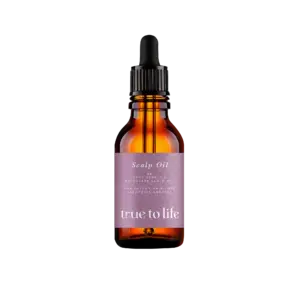
#1 Nourish & Revitalise Scalp Oil
Designed for general scalp health and maintenance, Nourish & Revitalise combines jojoba, argan and baobab oils with aloe vera, rosemary, tea tree and lavender.
This formulation is intended for people looking to incorporate regular scalp conditioning and maintenance into their hair care routine.
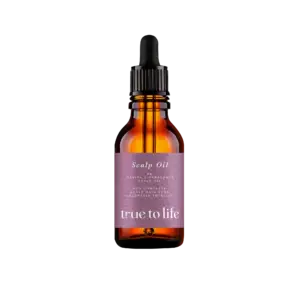
#2 Strengthen & Restore Scalp Oil
Designed for routines addressing excessive shedding, Strengthen & Restore includes jojoba, argan and baobab oils alongside black cumin seed oil and ashwagandha extract.
Its botanical ingredients provide conditioning and antioxidant support as part of a broader hair care routine.
It is important to remember that excessive shedding can have several causes, including illness, nutritional deficiencies, hormonal changes and stress. An oil cannot address every underlying cause of hair shedding.
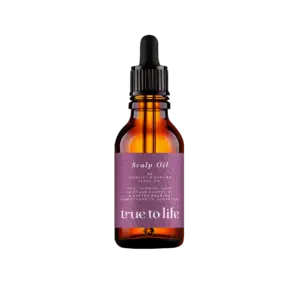
#3 Densify & Defend Scalp Oil
Densify & Defend is formulated for routines addressing thinning hair and diffuse hair loss.
Its ingredients include pumpkin seed oil, saw palmetto extract, green tea extract and nettle root, alongside rosemary, jojoba and argan.
These botanical ingredients are selected for their conditioning and potential supportive properties. However, they should not be considered replacements for established treatments for androgen-related hair loss.
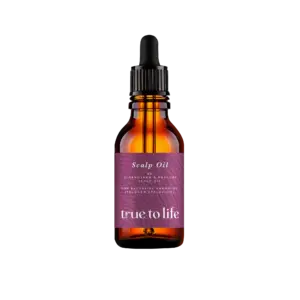
#4 Revive & Rebalance Scalp Oil
Revive & Rebalance is designed for supportive scalp care routines involving alopecia totalis.
The formulation includes turmeric-infused oil, black seed oil, capsicum-infused oil, peppermint and a botanical essential oil blend containing rosemary, lavender, thyme and cedarwood.
Alopecia totalis is an autoimmune condition that causes complete scalp hair loss. Although scalp conditioning may form part of someone’s personal care routine, topical oils cannot be relied upon to reverse the autoimmune process or restore hair growth.
Anyone experiencing alopecia totalis should work with a dermatologist to discuss appropriate treatment options.
#5 Spot Repair & Stimulate Scalp Oil
Spot Repair & Stimulate is designed for targeted application in routines addressing patchy hair loss, including alopecia areata.
Its botanical ingredients include black seed oil, turmeric-infused oil, capsicum-infused oil, peppermint and a blend of rosemary, lavender, thyme and cedarwood.
The formulation also contains jojoba and argan oils to support conditioning.
Patchy hair loss should always be assessed professionally, particularly when new bald patches appear or existing areas continue to expand.
#6 Band Boost & Circulate Scalp Oil
Band Boost & Circulate is formulated for targeted scalp care in routines addressing ophiasis alopecia areata, a pattern of autoimmune hair loss that typically affects the sides and back of the scalp.
Its ingredients include ginger root, ginseng, amla, peppermint and rosemary, alongside jojoba, baobab and pumpkin seed oils.
The formulation is designed to provide botanical scalp support and conditioning. It should be used as a complementary part of a professionally guided hair care routine rather than as a treatment for autoimmune hair loss.
A Customer Experience: Supporting Scalp Comfort
Hair loss conditions such as alopecia can sometimes be accompanied by scalp discomfort, irritation and inflammation. While scalp oils cannot treat the underlying autoimmune condition, choosing suitable scalp care products may help support comfort and maintain the condition of the scalp.
One True to Life™ customer shared her experience of using our scalp care products as part of her son’s routine while he was experiencing alopecia. She reported improvements in his scalp irritation and overall discomfort.
Experiences like these highlight why personalised scalp care matters. Although individual results vary, finding products that are suitable for your scalp’s needs can make a meaningful difference to your hair care routine.
How to Apply Scalp Oils for the Best Results
Choosing suitable scalp oils is only one part of an effective routine. How you apply them also matters.
Excessive application can contribute to build-up, while aggressive massage may cause unnecessary friction or irritation.
Here are some practical considerations when incorporating scalp oils into your routine.
Start With a Small Amount
You generally do not need to saturate your scalp with oil to benefit from its conditioning properties.
Start with a small quantity, applying it directly to the areas that need attention. Distribute the product evenly using your fingertips or the applicator provided.
Use Gentle Massage Techniques
Scalp massage can help distribute oils and make application more comfortable.
Use the pads of your fingertips rather than your nails, working in small circular movements. Avoid pulling or rubbing the hair aggressively, particularly if you are experiencing shedding or breakage.
A few minutes of gentle massage is sufficient for distributing the product. More pressure or longer massage sessions do not necessarily produce better results.
Avoid Excessive Product Build-Up
Using too many products at once can make it difficult to understand what your scalp actually responds to.
If your roots become greasy, itchy or uncomfortable, reduce application or discontinue the product.
Regular cleansing with a suitable shampoo helps remove excess oil, dead skin cells and accumulated styling products.
Combining Scalp Oils With Your Existing Hair Care Routine
Scalp oils work best when they form part of a consistent hair care routine rather than being treated as a standalone solution.
Your shampoo, conditioner, scalp treatments and other products should complement one another.
At True to Life™, our personalised approach considers more than just the type of oil you use. The condition of your scalp, hair porosity, lifestyle, environmental factors and individual concerns all contribute to determining which products may be suitable.
Our Scalp Activation System can also form part of a targeted scalp care routine. When incorporating scalp oils alongside other treatments, follow the relevant product instructions and avoid combining incompatible products or introducing too many new ingredients at once.
For some people, using a scalp oil as a pre-wash treatment may be more suitable, while others may benefit from a different approach depending on their scalp condition and product formulation.
Consistency is important, but so is paying attention to how your scalp and hair respond over time.
Finding the Right Scalp Oils for Your Individual Needs
There is no single scalp oil that works equally well for everyone. The right choice depends on understanding what your scalp needs, how your hair responds to different ingredients and what you want to achieve through your hair care routine.
At True to Life™, we believe personalised hair care starts with understanding the individual. Our free 2-minute personalised assessment considers factors such as scalp condition, hair porosity, hair concerns, lifestyle and environmental influences to help identify products suited to your needs.
Your scalp and hair requirements can also change over time. Seasonal changes, different water conditions, chemical treatments and lifestyle adjustments may all influence how your hair responds to your existing routine.
Reassessing your needs when these changes occur can help you make more informed product choices.
Start with understanding your scalp, choose products that complement your hair porosity and build a routine that supports your individual hair care goals.
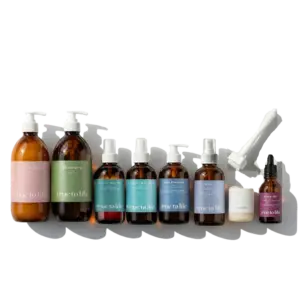
R1,897.00 – R2,480.00Price range: R1,897.00 through R2,480.00
Estimated delivery dates: Nov 10, 2026 - Nov 13, 2026
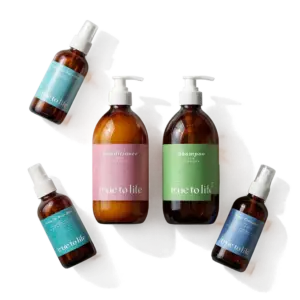
R944.00 – R1,396.00Price range: R944.00 through R1,396.00
Estimated delivery dates: Nov 10, 2026 - Nov 13, 2026
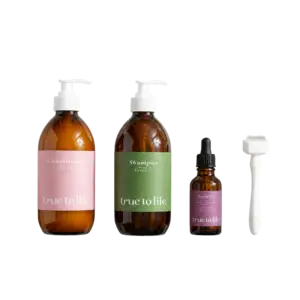
R918.00 – R1,402.00Price range: R918.00 through R1,402.00
Estimated delivery dates: Nov 11, 2026 - Nov 16, 2026
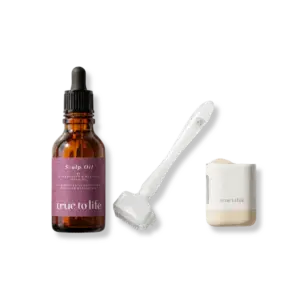
R911.00 – R958.00Price range: R911.00 through R958.00
Estimated delivery dates: Nov 10, 2026 - Nov 13, 2026
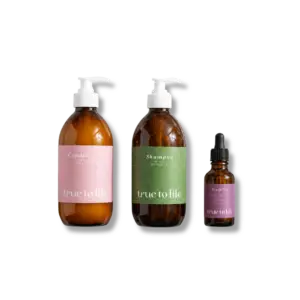
R745.00 – R1,213.00Price range: R745.00 through R1,213.00
Estimated delivery dates: Nov 10, 2026 - Nov 13, 2026
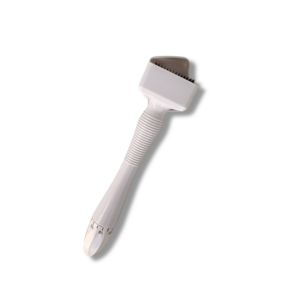
R189.99
Estimated delivery dates: Nov 10, 2026 - Nov 13, 2026
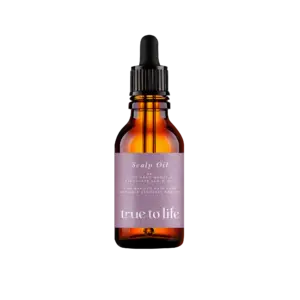
R379.00
Estimated delivery dates: Nov 10, 2026 - Nov 13, 2026
R439.99
Estimated delivery dates: Nov 10, 2026 - Nov 13, 2026
R369.00
Estimated delivery dates: Nov 10, 2026 - Nov 13, 2026
R349.00
Estimated delivery dates: Nov 10, 2026 - Nov 13, 2026
R349.00
Estimated delivery dates: Nov 10, 2026 - Nov 13, 2026
R349.00
Estimated delivery dates: Nov 10, 2026 - Nov 13, 2026
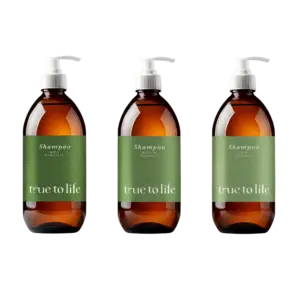
R499.00
Estimated delivery dates: Nov 11, 2026 - Nov 16, 2026
R269.00
Estimated delivery dates: Nov 11, 2026 - Nov 16, 2026
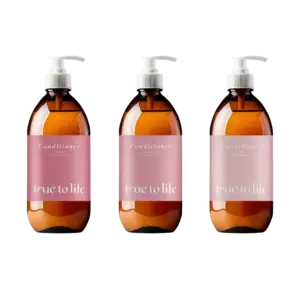
R499.99
Estimated delivery dates: Nov 11, 2026 - Nov 16, 2026
R269.00
Estimated delivery dates: Nov 11, 2026 - Nov 16, 2026
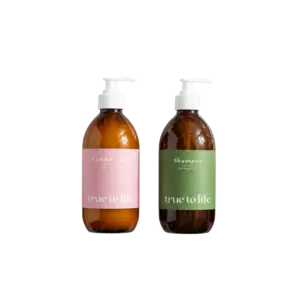
R969.00
Estimated delivery dates: Nov 11, 2026 - Nov 16, 2026
R499.00
Estimated delivery dates: Nov 11, 2026 - Nov 16, 2026
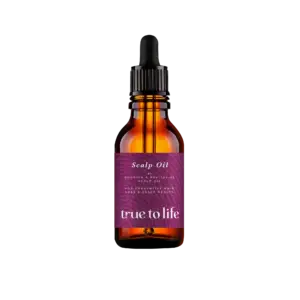
R329.00
Estimated delivery dates: Nov 10, 2026 - Nov 13, 2026
Start your hair growth journey with us.
Take the Hair Assessment to get a your recommended products to support your hair growth journey
Final Thoughts
Scalp oils can be a valuable addition to a well-considered hair care routine, but choosing the right formulation requires more than following popular ingredients or hair growth trends.
Your scalp condition and hair porosity provide useful starting points for understanding which products may be suitable. Whether you are looking to maintain general scalp health, condition dry hair or support a routine addressing increased shedding, selecting products according to your individual needs is important.
At True to Life™, we believe effective hair care should be personalised. By understanding your scalp, hair and lifestyle, you can make more informed decisions and build a routine that supports healthier-looking hair and a well-maintained scalp.
Views: 0