Skip to content
Free shipping on orders over R980 | First order? Get 10% off orders of R499 and above instead

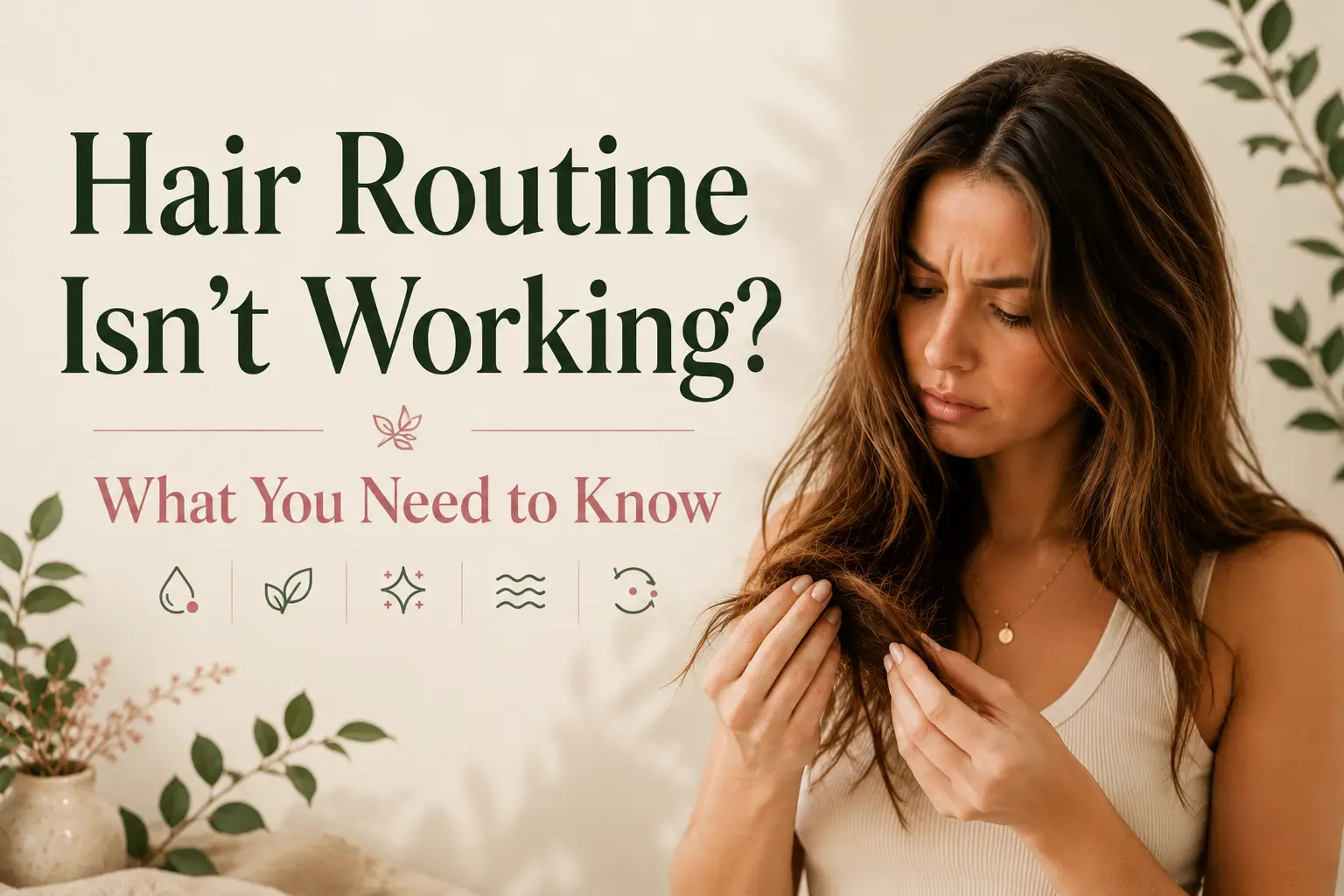
Hair Routine Isn’t Working? What You Need to Know
Have you ever found yourself wondering, “Why isn’t my hair routine working?” If your hair routine isn’t working the way it used to, you’re using the same shampoo, conditioner and styling products, yet your hair suddenly feels dry, greasy, frizzy or difficult to manage.
The truth is, your hair care routine isn’t necessarily failing; your hair’s needs may have changed. Factors like the weather, stress, hormones, heat styling, ageing, colouring and even your water quality can all affect how your hair looks and feels.
If your hair routine isn’t working, and you’re wondering what changed, the answer is often that your hair and scalp have different needs than they did a few months ago.
Knowing when to adjust your routine can help keep your hair healthy, manageable and looking its best.
Why Your Hair Routine Isn’t Working Anymore
If your hair routine isn’t working anymore, it doesn’t always mean your products are the problem. Your hair and scalp may simply have different needs than they did when you first started using them.
Although the hair strand itself is no longer living once it grows from the scalp, your scalp is very much alive and constantly responding to changes inside and outside your body. As your scalp changes, so do your hair care needs.
Some common reasons your hair may behave differently include:
Seasonal weather changes
Humidity or dry air
Hormonal fluctuations
Stress
Hair colouring or bleaching
Frequent heat styling
Swimming in chlorinated pools
Hard water
Changes to your diet
Certain medications
Ageing
Rather than sticking to the same routine indefinitely, it’s worth checking in with your hair every few months.
10 Signs Your Hair Routine Isn’t Working
1. Your Hair Feels Dry Even After Conditioning
If your hair still feels rough, brittle or straw-like after conditioning, your routine may no longer be providing enough moisture. Your hair may benefit from a more nourishing conditioner, a weekly treatment mask or a leave-in product.
2. Your Scalp Becomes Greasy Much Faster
Needing to wash your hair more often than usual can indicate your scalp’s oil production has changed. Using products that are too heavy, product build-up, or seasonal changes can all contribute to excess oil.
3. You’re Seeing More Breakage
Finding short broken hairs on your clothes or brush is different from normal shedding. Increased breakage often points to dryness, damage or weakened hair that may need strengthening and improved heat protection.
4. Your Hair Looks Flat and Lifeless
If your hair has lost its bounce or volume, product build-up or formulas that are too rich for your hair type could be weighing it down. Sometimes switching to a lighter routine is all that’s needed.
5. Frizz Has Become Hard to Control
Frizz can increase when hair lacks moisture or becomes damaged. Weather changes, especially increased humidity, can also make previously manageable hair much more difficult to tame.
6. Your Scalp Feels Itchy or Flaky
Not every flaky scalp is dandruff. Dry scalp, irritation, product build-up and certain scalp conditions can all cause itching and flakes. If this is a new issue, it may be time to reassess your products.
7. Your Hair Tangles More Than Usual
Hair that knots easily often has a rough or damaged cuticle. A routine focused on hydration and hair-shaft protection can help improve smoothness and reduce tangles.
8. You’re Noticing More Hair Shedding
It’s normal to lose between 50 and 100 hairs each day. However, if you’re noticing significantly more shedding than usual or it’s continuing for several months, it’s worth speaking to a healthcare professional while also reviewing your hair care routine.
9. Your Hairstyle Doesn’t Last
If curls fall flat quickly or your blow-dry loses shape within hours, your hair’s condition may have changed. Product build-up, excess moisture or damage can all affect how well your hair holds a style.
10. Your Lifestyle Has Changed
Sometimes the biggest clue isn’t your hair, it’s your lifestyle.
Consider whether you’ve recently:
Started colouring or bleaching your hair
Begun swimming regularly
Moved to a different climate
Started a new medication
Experienced significant stress
Increased your use of hot styling tools
Changed your exercise routine
Any of these changes may mean your current products are no longer the best match.
Do You Need to Replace Your Entire Routine?
Usually, no.
Many people assume they need to throw away all their products when something changes, but that’s rarely necessary. Often, making one or two adjustments is enough.
You might only need to change your:
Shampoo
Conditioner
Scalp treatment
Leave-in conditioner
Hair serum
Weekly treatment
Making gradual changes also makes it easier to identify what works.
What to Do When Your Hair Routine Isn’t Working
If your hair routine isn’t working anymore, the first step is understanding why. Before buying new products, take a moment to identify what’s actually changed.
Ask yourself:
Is my scalp oilier or drier than before?
Has my hair become more damaged?
Am I using more heat?
Have I coloured my hair recently?
Has the weather changed?
Choosing products that address your current concerns is far more effective than following trends or using generic, off-the-shelf products that aren’t designed for your hair’s unique needs.
Why Personalised Hair Care Makes a Difference
No two people have the same hair. Your scalp type, hair texture, lifestyle and goals all influence which products will work best for you.
As your hair changes throughout the year, your routine should evolve too. A personalised approach helps ensure you’re using products suited to your hair’s current condition, whether you’re managing dryness, excess oil, frizz, breakage or thinning.
Instead of constantly switching between random products, choosing a routine tailored to your individual needs can help you achieve healthier, more consistent results over time.
Your Hair Changes, Your Routine Should Too
If your hair routine isn’t working the way it used to, it may be time to reassess your hair’s current needs rather than replacing every product.
Healthy hair isn’t about finding one routine and sticking with it forever. As your hair and scalp change, your routine should adapt too. Whether you’ve noticed increased dryness, excess oil, more breakage or a change in texture, taking the time to reassess your hair’s needs can help you get better, more consistent results.
If you’ve already completed the True to Life™ Hair Assessment, consider retaking it whenever your hair or scalp changes. Because our recommendations are based on your answers, updating your assessment helps ensure you’re using products that are suited to your current concerns rather than those you had months or even years ago.
If you’d like more personalised support, our one-on-one hair care consultations provide tailored guidance based on your scalp health, hair type, lifestyle and goals. We’ll help you understand what’s changed, recommend the right products for your needs and create a routine that grows with your hair, so you can feel confident you’re giving it the care it deserves.
Frequently Asked Questions
Why isn’t my hair routine working anymore?
If your hair routine isn’t working, consider whether your hair has changed due to the seasons, hormones, stress, colouring or other lifestyle factors before replacing your entire routine.
Can your hair get used to shampoo?
Not exactly. Your shampoo doesn’t stop working, but your hair and scalp can change over time, making it seem as though your products are no longer effective.
How often should I change my hair routine?
There’s no fixed schedule. Review your routine whenever you notice changes in your hair or scalp, or after significant lifestyle or seasonal changes.
Should I use different products in summer and winter?
Many people benefit from adjusting their routine with the seasons. For example, lightweight products may suit humid summers, while richer, more hydrating products can help combat dryness during winter.
Why has my hair suddenly become dry?
Dryness can be caused by weather changes, heat styling, colouring, hard water, reduced humidity or changes in your scalp’s natural oil production.
How do I know if I need different hair products?
If your hair has become consistently dry, greasy, frizzy, flat or difficult to manage despite following your usual routine, it may be time to reassess your products and choose ones that better match your hair’s current needs.

R369.00
Estimated delivery dates: Sep 21, 2026 - Sep 24, 2026

R339.00
Estimated delivery dates: Sep 21, 2026 - Sep 24, 2026

R515.00
Estimated delivery dates: Sep 21, 2026 - Sep 24, 2026

R309.00
Estimated delivery dates: Sep 21, 2026 - Sep 24, 2026
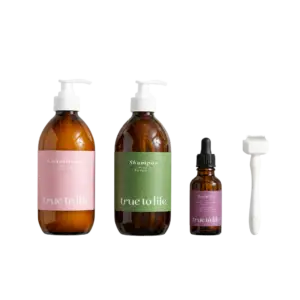
R918.00 – R1,402.00Price range: R918.00 through R1,402.00
Estimated delivery dates: Sep 22, 2026 - Sep 25, 2026
R279.00
Estimated delivery dates: Sep 21, 2026 - Sep 24, 2026
R279.00
Estimated delivery dates: Sep 21, 2026 - Sep 24, 2026
R499.00
Estimated delivery dates: Sep 22, 2026 - Sep 25, 2026
R269.00
Estimated delivery dates: Sep 22, 2026 - Sep 25, 2026
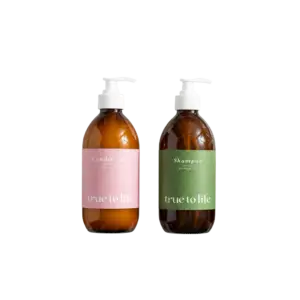
R969.00
Estimated delivery dates: Sep 22, 2026 - Sep 25, 2026
R499.00
Estimated delivery dates: Sep 22, 2026 - Sep 25, 2026
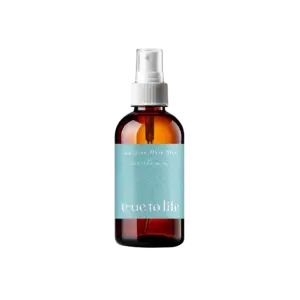
R269.00
Estimated delivery dates: Sep 21, 2026 - Sep 24, 2026
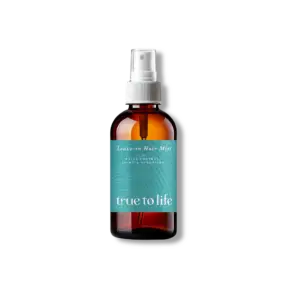
R249.00
Estimated delivery dates: Sep 21, 2026 - Sep 24, 2026
Start your hair growth journey with us.
Take the Hair Assessment to get a your recommended products to support your hair growth journey
Final Thoughts
If your hair routine isn’t working, and has become a source of frustration, don’t assume your products have suddenly stopped working.
More often than not, it’s your hair’s needs that have changed. From seasonal shifts and lifestyle changes to colouring, stress and hormones, many factors can influence how your hair and scalp respond to your routine.
Instead of replacing every product, take the time to identify what’s changed and make thoughtful adjustments based on your current needs. Small changes to your routine can often make a noticeable difference to the health and appearance of your hair.
If you’re unsure where to start, retake the True to Life™ Hair Assessment to receive updated product recommendations based on your current hair and scalp concerns. For more personalised guidance, you can also book a one-on-one consultation with one of our hair care specialists, who will help you build a routine that’s tailored to your unique hair, lifestyle and goals.
Remember, healthy hair is a journey, and as your hair evolves, your routine should evolve with it.
Post Views: 97