Vitamin deficiency hair loss and iron deficiency hair loss are two of the most overlooked internal causes of thinning, shedding, and slow hair regrowth.

While many people focus on shampoos, treatments, and styling habits, the real reason for persistent hair loss often happens beneath the surface in the body’s nutrient levels.

When the body is low in essential vitamins or iron, it prioritises vital organs over hair growth. This means vitamin deficiency hair loss and iron deficiency hair loss can quietly develop over time, showing up as increased shedding, weaker strands, and a noticeable loss of volume long before other symptoms appear.

Understanding the connection between nutrition, iron levels, and hair health is key to identifying why hair may be changing and how to support regrowth more effectively from the inside out.

Why Your Hair May Be Falling Out More Than Usual

You’ve changed your shampoo. You’re using oils. You’re trying to be gentle with heat and colour appointments. Yet your hair still feels thinner, weaker, drier, or like it simply won’t grow the way it used to.

For many women, the real issue isn’t only what’s happening on the outside of the hair, it’s what’s happening internally.

Vitamin deficiency hair loss, iron deficiency hair loss, and thyroid problems are some of the most overlooked causes of ongoing hair shedding and slow regrowth. Unfortunately, they often occur together.

If you’ve been dealing with unexplained thinning, excessive shedding in the shower, sparse edges, a widening part, brittle strands, or hair that suddenly lost its fullness, your body may be trying to tell you something.

How Vitamin Deficiency Hair Loss Happens

Hair is not considered “essential” by the body. So when your body is low in nutrients, it redirects vitamins and minerals toward organs and survival functions first.

That means vitamin deficiency hair loss is often one of the earliest visible signs of internal imbalance.

This type of vitamin deficiency hair loss usually develops gradually.

Many people notice:

  • Increased shedding
  • Hair becoming finer or more see-through
  • Loss of volume
  • Hair that breaks more easily
  • Slower growth
  • Dull texture
  • Difficulty retaining length
  • A dry, irritated scalp

Iron Deficiency Hair Loss: One of the Most Common Causes

Iron deficiency hair loss is incredibly common, especially in women.

Iron helps carry oxygen to your cells, including the hair follicles. When iron levels are too low, the follicles may no longer have enough support to maintain healthy growth cycles.

The result can be:

  • Excessive daily shedding
  • Diffuse thinning across the scalp
  • Hair that won’t grow past a certain point
  • Weak, fragile strands
  • Increased breakage
  • Worsening texture changes

Many people with iron deficiency hair loss also experience:

  • Fatigue
  • Feeling cold often
  • Dizziness
  • Pale skin
  • Brittle nails

The Vitamin Deficiencies Most Commonly Linked to Hair Loss

Iron / Ferritin

Low ferritin levels are among the biggest triggers of chronic shedding and thinning.

Vitamin D

Vitamin D plays a major role in hair follicle cycling.

B12

Low B12 levels can reduce oxygen delivery to rapidly growing cells, such as hair follicles.

Zinc

Supports scalp health, repair, and growth.

Protein Deficiency

Hair is primarily made of protein, so a low intake can significantly slow growth.

How Thyroid Problems Contribute to Hair Loss

Thyroid conditions and nutrient deficiencies often overlap, which is why vitamin deficiency hair loss and iron deficiency hair loss can feel so persistent.

An under active thyroid (hypothyroidism) can slow the hair growth cycle.

People with thyroid-related hair loss often notice:

  • Diffuse thinning
  • Dry, rough hair texture
  • Sparse eyebrows
  • Increased shedding
  • Slow regrowth

Why Hair Care Alone Sometimes Isn’t Enough

If the body is depleted internally, even the best shampoos and treatments can only do so much.

Healthy hair growth depends on:

  • Nutrient availability
  • Hormonal balance
  • Scalp circulation
  • Reduced inflammation

That’s why vitamin deficiency hair loss and iron deficiency hair loss often continue until internal causes are addressed.

How True to Life Can Help

At True to Life, we understand that hair loss is rarely just a surface-level issue.

Many of the people we support are dealing with:

  • Vitamin deficiency hair loss
  • Iron deficiency hair loss
  • Thyroid-related shedding
  • A combination of internal and external stressors affecting their scalp health.

Instead of focusing only on cosmetic results, our approach is about supporting the scalp environment so it feels calmer, more balanced, and better able to support healthy regrowth over time.

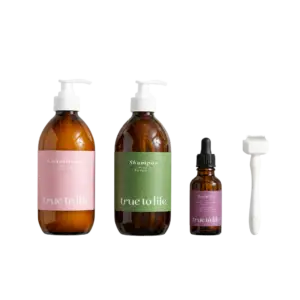
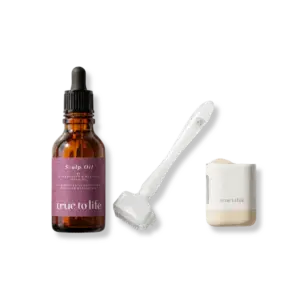
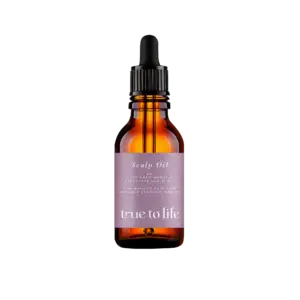
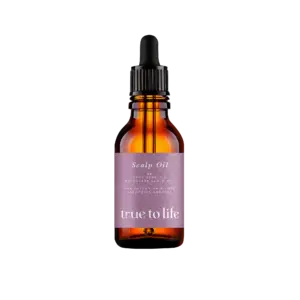
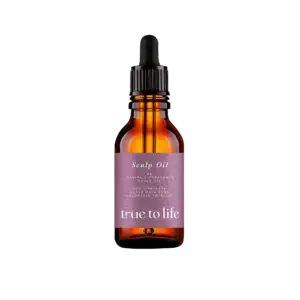
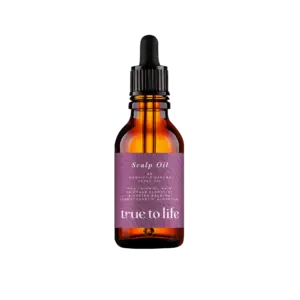
Our scalp oils are designed for different hair loss types including:

  • Dryness
  • Stress-related shedding
  • Weakened follicles linked to internal deficiencies

The goal isn’t to “force” growth, but to help create a healthier foundation for the hair that is trying to grow back.

When used consistently alongside addressing internal health (such as iron, vitamin, or thyroid levels), scalp care can become an important supportive step in the recovery process rather than just a temporary fix.

Supporting Hair During Vitamin Deficiency Hair Loss

Supporting recovery often includes:

  • Bloodwork (iron, ferritin, vitamin D, B12, thyroid)
  • Adequate protein intake
  • Reducing heat and tension
  • Scalp-focused care routines
  • Lightweight scalp oils for nourishment

Take a look at our personalised product solutions

Start your hair growth journey with us.

Take the Hair Assessment to get a your recommended products to support your hair growth journey

Final Thoughts

Vitamin deficiency hair loss and iron deficiency hair loss are far more common than most people realise. When combined with thyroid imbalances, they can significantly impact hair thickness, growth, and overall scalp health.

Addressing internal deficiencies while supporting the scalp externally offers the best chance of long-term improvement.

Related Articles

Promotional banner for plant-based hair loss treatments with large headline and herbal visuals, including bowls and leaves.

Plant-Based Hair Loss Treatments Explained: Are They Better Than Minoxidil?

male hair loss

The Ultimate Guide to Male Hair Loss: Causes and Regrowth Support

derma stamping for hair growth and hair microneedling

Derma Stamping for Hair Growth: The Essential Guide to Hair Microneedling

chemo hair loss

Chemo Hair Loss: How to Support Healthy Hair Regrowth

postpartum hair loss

Pregnancy Hair Changes and Postpartum Hair Loss Can Feel Overwhelming — Here’s How to Support Recovery

natural hair care products

How True to Life™ Personalised Natural Hair Care Products Differ from Traditional Professional Salon Products