Many people with thyroid hair loss or iron deficiency hair loss also notice scalp sensitivity, dullness, or changes in curl pattern. Hair that was once soft and defined may suddenly become limp, frizzy, or difficult to style.

Because curly hair is naturally drier than straight hair, thyroid-related dryness can become especially noticeable in curls, coils, and waves.

Iron Deficiency Hair Loss, Thyroid Hair Loss and Excessive Shedding

Iron deficiency hair loss is another extremely common cause of increased shedding and chronic hair frustration.

Iron helps carry oxygen to the hair follicles. When iron levels are low, the body prioritises essential organs over hair growth, which can push more hairs into the shedding phase.

Common signs include:

  • Excessive daily shedding
  • Hair collecting on clothing or furniture
  • Increased hair fall during washing
  • Reduced density around the temples or crown
  • Hair that feels weaker or finer than before
  • Difficulty growing hair longer

For curly hair, loose, shed hairs can also become trapped within the curls instead of falling away immediately. This often makes wash days feel alarming because more hair appears to come out at once.

However, if you notice loose strands throughout the day, it may suggest ongoing shedding beyond normal curl retention.

Why Grey Coverage and Highlights Can Make Hair Feel Worse

Frequent root touch-ups and highlights can add another layer of stress to already vulnerable hair.

Covering grey hair every 4–6 weeks often requires permanent dye, which repeatedly exposes the hair and scalp to chemicals. Highlights further increase dryness because bleach lifts the cuticle to remove pigment.

When hair is already compromised by thyroid imbalance or iron deficiency, colour treatments may lead to:

  • Increased dryness
  • Rough texture
  • More tangling
  • Fragility
  • Breakage around the crown or hairline
  • Loss of curl definition
  • Stringy or thin-looking ends

This does not mean you must stop colouring your hair entirely, but it does mean your routine needs to focus heavily on moisture balance, scalp care, strengthening, and gentle maintenance between appointments.

Why Glycerin Makes Some Hair Feel Worse

Glycerin is a humectant, meaning it pulls moisture from the environment into the hair.

In the right conditions, glycerin can help hair feel soft and hydrated. But for some people, especially those with porous, damaged, highlighted, or curly hair, it can backfire.

This is particularly common in:

  • Very humid climates
  • Very dry climates
  • Heat-damaged hair
  • Bleached hair
  • High porosity curls
  • Hair weakened by hormonal or nutritional imbalances

When humidity is extremely high, glycerin may pull too much moisture into the hair, causing frizz, swelling, and stringiness.

When the air is very dry, glycerin may pull moisture out of the hair instead, leaving it brittle, rough, or dehydrated.

Many people with compromised curls notice that glycerin-heavy products make their hair feel:

  • Mushy or limp
  • Stringy
  • Frizzy
  • Sticky
  • Dry shortly after styling
  • Difficult to define

If you consistently notice worse results after using glycerin-rich products, your hair may simply respond better to lower-glycerin or glycerin-free formulas.

What Helps Support Healthier Hair

While correcting internal deficiencies is extremely important, external haircare still matters.

A supportive routine should focus on protecting fragile strands while minimising additional stress on the scalp and hair shaft.

Prioritise Gentle Moisture

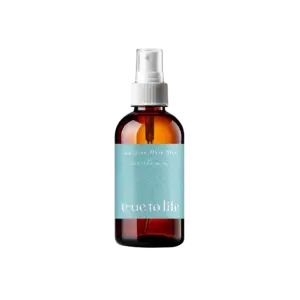
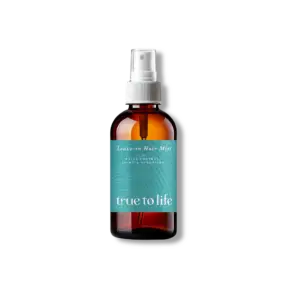
Look for lightweight but nourishing conditioners and leave-in mists that support hydration without heavy buildup.

For sensitive or easily overwhelmed curls, simpler ingredient lists are often better.

Reduce Excessive Heat

Frequent heat styling can worsen dryness and breakage, especially when hair is already weakened by thyroid issues, low iron, colouring, or bleach.

Using a heat protectant serum and reducing temperature settings can help preserve elasticity.

Support the Scalp

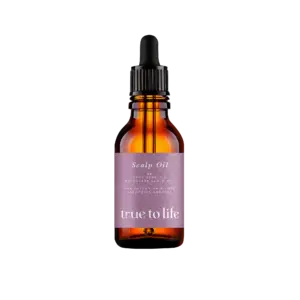
Healthy hair starts at the scalp. Gentle scalp oils and regular scalp massage may help create a healthier environment for growth while soothing dryness and irritation.

Strengthen Without Overloading Protein

Hair affected by colouring and shedding often benefits from strengthening ingredients, but too much protein can sometimes make brittle hair feel even harder and rougher.

Balance is key.

Be Careful With Tight Styles

Tight ponytails, buns, and constant tension can worsen fragile areas around the hairline and crown.

Wash Based on Your Scalp’s Needs

Often, curly hair does not need as frequent washing as straight hair, but leaving buildup sitting on the scalp too long can sometimes contribute to irritation or discomfort.

Finding the right balance is more important than following rigid rules.

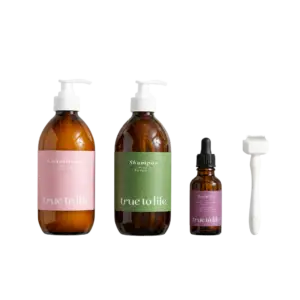
How True to Life Helps Support Hair Affected by Thyroid and Iron-Related Shedding

We understand how emotional and exhausting hair changes can feel, especially when you are already managing health concerns internally, such as thyroid hair loss or iron deficiency hair loss.

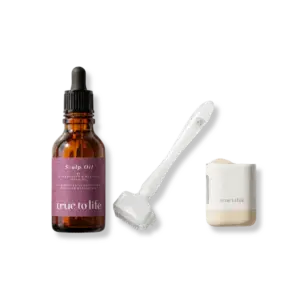
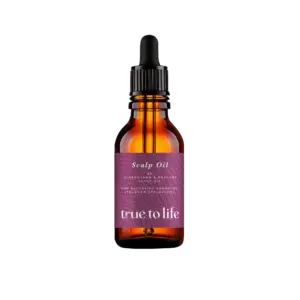
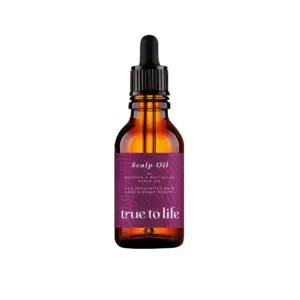
Our approach focuses on personalised products that help support the hair and scalp gently while helping improve the overall look, feel, softness, and manageability of compromised strands.

We focus on:

  • Moisture support without heaviness
  • Gentle scalp care
  • Reducing the appearance of dryness and stringiness
  • Supporting curl definition and softness
  • Minimising buildup
  • Helping fragile hair feel healthier and more manageable

We also recognise that ingredient sensitivity is real. Many clients discover their hair responds far better once they move away from products that overload the hair with ingredients their strands simply do not tolerate well,  including high levels of glycerin in some cases.

Take a look at our personalised product solutions

Start your hair growth journey with us.

Take the Hair Assessment to get a your recommended products to support your hair growth journey

Final Thoughts on Thyroid Hair Loss & Iron Deficiency Hair Loss

Hair health is closely tied to what happens inside the body, but that does not mean your external routine is unimportant.

If you are experiencing thyroid hair loss or iron deficiency hair loss alongside dryness, shedding, colour damage, or frustrating texture changes, your hair likely needs a gentler, more supportive approach overall.

The goal is not perfection overnight. It is about creating an environment where your hair and scalp can gradually become healthier, softer, stronger, and easier to manage, while you also work on supporting your internal health.

And if your hair has been telling you that certain ingredients,  like glycerin,  are not working for you, it is worth listening to.

Related Articles

Promotional banner for plant-based hair loss treatments with large headline and herbal visuals, including bowls and leaves.

Plant-Based Hair Loss Treatments Explained: Are They Better Than Minoxidil?

male hair loss

The Ultimate Guide to Male Hair Loss: Causes and Regrowth Support

derma stamping for hair growth and hair microneedling

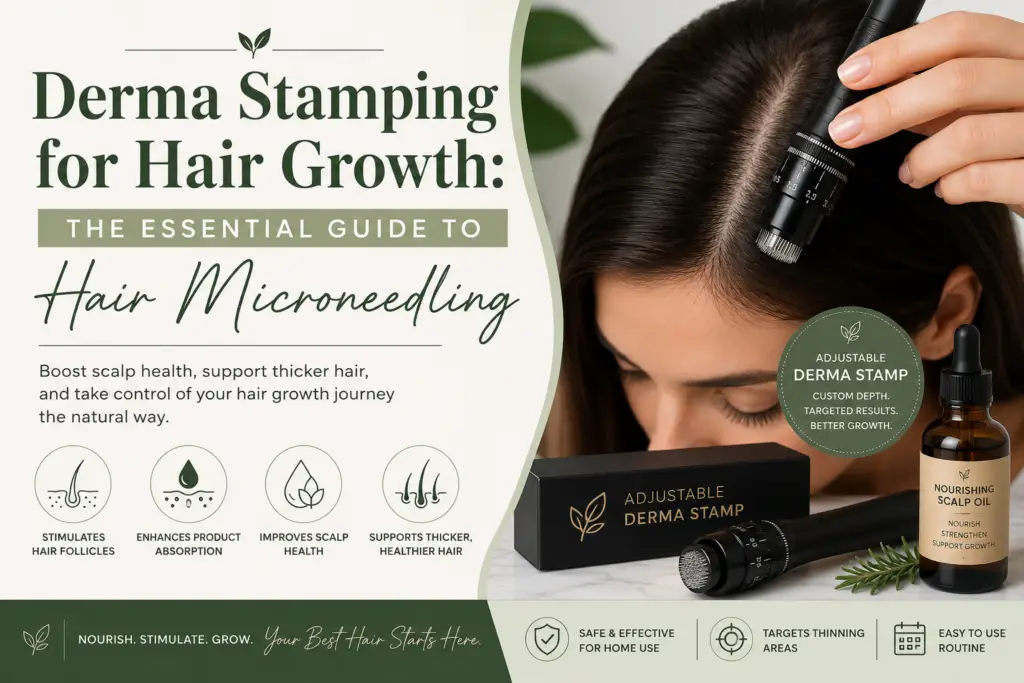
Derma Stamping for Hair Growth: The Essential Guide to Hair Microneedling

chemo hair loss

Chemo Hair Loss: How to Support Healthy Hair Regrowth

postpartum hair loss

Pregnancy Hair Changes and Postpartum Hair Loss Can Feel Overwhelming — Here’s How to Support Recovery

natural hair care products

How True to Life™ Personalised Natural Hair Care Products Differ from Traditional Professional Salon Products