For many women, pregnancy brings unexpected changes to their hair, but one of the most emotional experiences often comes later in the form of postpartum hair loss. While some women notice thicker, shinier strands during pregnancy, others experience dryness, texture changes, or increased sensitivity long before postpartum shedding begins. Then, just a few months after giving birth, that once-voluminous hair may suddenly begin falling out more noticeably, leaving many new mothers feeling anxious, overwhelmed, or disconnected from themselves.

If you’re experiencing postpartum hair loss or noticeable hair changes during pregnancy, you’re far from alone. These changes are incredibly common and are often linked to the significant hormonal shifts the body goes through before and after birth. Understanding why they happen, and how to gently support your hair through every stage, can help make the experience feel a little less frightening.

Why Hair Changes During Pregnancy

Hormonal shifts during pregnancy can have a major impact on the hair growth cycle. Higher estrogen levels often keep hair in its growth phase for longer, which means fewer hairs are shed each day. This is why many women experience hair that appears thicker, denser, or more lustrous during pregnancy.

However, not everyone experiences the same changes.

Some women notice their hair becomes:

  • drier or oilier than usual
  • more brittle or prone to breakage
  • frizzier or harder to manage
  • more sensitive at the scalp
  • thinner due to stress, illness, or nutrient deficiencies

Hair texture can also shift unexpectedly. Wavy hair may become straighter, straight hair may develop more texture, and curls can temporarily loosen or tighten.

While these changes are often normal, they can still feel unsettling, especially when your body already feels unfamiliar in so many other ways.

Understanding Postpartum Hair Loss

One of the most common concerns after giving birth is postpartum hair loss.

Typically beginning around two to four months postpartum, many women suddenly notice excessive shedding in the shower, on their pillow, or throughout the house. Hairlines and temples may appear thinner, ponytails may feel noticeably smaller, and the amount of hair falling out can feel alarming.

This type of shedding is commonly linked to Telogen Effluvium, a temporary shift in the hair growth cycle that occurs after pregnancy.

During pregnancy, elevated hormone levels keep many hairs in the growth phase longer than usual. After birth, hormone levels rapidly change, causing many of those hairs to enter the shedding phase at the same time. Although it can feel dramatic, this process is often temporary and part of the body’s natural recovery.

For most women:

  • shedding begins around 2–4 months postpartum
  • peaks around 4–6 months
  • gradually improves over the following months

Still, that doesn’t make it emotionally easy.

The Emotional Side of Postpartum Hair Loss

Hair is deeply connected to identity, confidence, and femininity for many women. Experiencing postpartum hair loss while already navigating physical recovery, sleep deprivation, and the emotional adjustment to motherhood can feel especially overwhelming.

Many women quietly worry:

  • “Will my hair ever grow back?”
  • “Why is this happening to me?”
  • “Is something wrong with my body?”

These fears are extremely common. While postpartum shedding is usually temporary, the emotional impact deserves just as much compassion as the physical symptoms themselves.

How to Support Hair During Pregnancy and Postpartum

While postpartum hair loss is largely driven by internal hormonal shifts and cannot be fully prevented with products alone, many women find comfort in building a gentle, supportive hair care routine that helps their hair feel stronger, healthier, and more manageable during recovery.

This is less about “stopping shedding” and more about creating an environment that supports new growth and protects existing hair during and after pregnancy.

Focus on Nourishment

Hair health is closely connected to overall nutrition. Pregnancy and postpartum recovery place increased demands on the body, which can sometimes contribute to thinning or breakage.

Supporting your body with adequate:

  • protein
  • iron
  • omega-3 fatty acids
  • zinc
  • vitamin D
  • B vitamins

may help support healthier hair over time.

If hair shedding feels excessive or prolonged, it may also be worth discussing bloodwork with a healthcare provider, as conditions like Iron Deficiency Anaemia or Postpartum Thyroiditis can contribute to ongoing hair concerns.

Be Gentle With Your Hair

During periods of increased shedding, the goal is not to aggressively “fix” the hair, but to reduce unnecessary stress on it.

Gentler habits may include:

  • avoiding overly tight hairstyles
  • limiting excessive heat styling
  • using a soft brush or wide-tooth comb
  • reducing harsh bleaching or chemical treatments
  • prioritising moisture and scalp care

Many women also find that simplifying their hair routine postpartum helps reduce both physical damage and emotional stress.

Gentle, Natural Hair Care Products

During pregnancy and the postpartum period, many women become more mindful of what they use on their scalp and hair. Choosing gentle, non-stripping shampoos and conditioners can help reduce irritation and maintain scalp balance during times when the skin may feel more sensitive than usual.

Some women prefer:

  • sulfate-free shampoos
  • lightweight, hydrating conditioners
  • fragrance-light or naturally derived formulas
  • scalp-soothing ingredients like aloe vera, centella, or botanical extracts

Brands that focus on cleaner, more intentional formulations, such as True to Life, are often chosen by people looking for a gentler, more supportive routine during postpartum recovery. The goal is not to overhaul everything, but to reduce harshness and support the scalp while it recalibrates.

Scalp-Focused Hair Loss Tools

In addition to gentle hair care, some women incorporate scalp-focused tools into their routine to support circulation and overall scalp health. These can feel especially helpful during shedding periods when you want to feel a sense of control and care for your hair.

A healthy scalp creates a healthier environment for hair growth.

Postpartum hormone shifts can sometimes trigger:

  • itchiness
  • excess oil production
  • dryness
  • flaking
  • scalp sensitivity

Common options include:

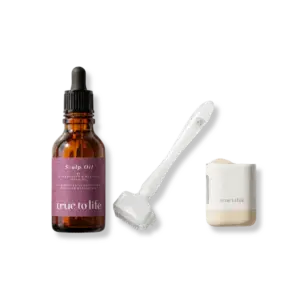
  • Scalp massagers to gently stimulate circulation and help with product distribution
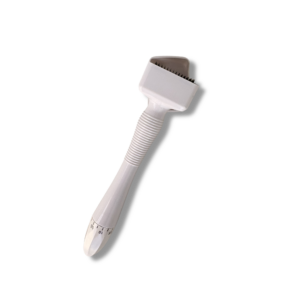
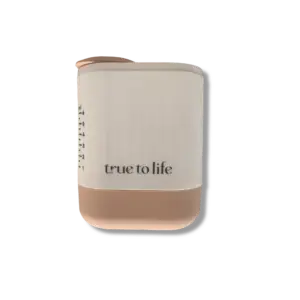
  • Microneedling tools (dermastamps), sometimes used to support scalp stimulation when used carefully and hygienically
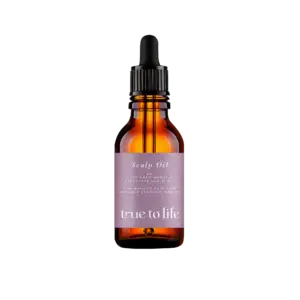
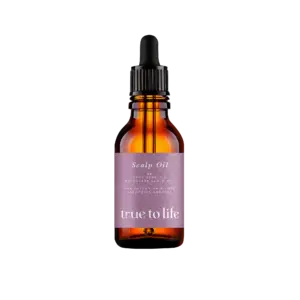
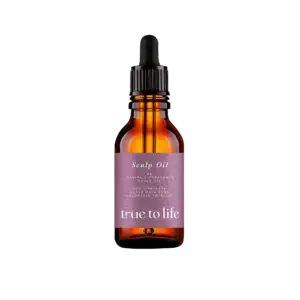
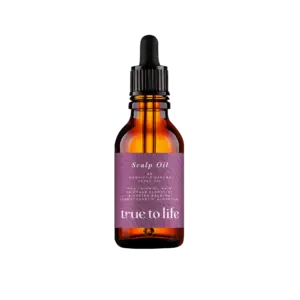
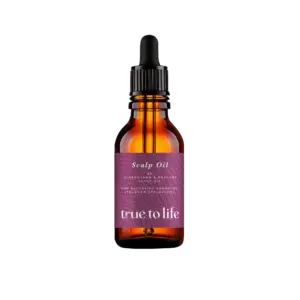
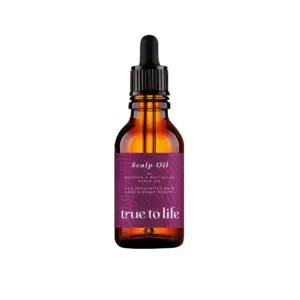
  • Nourishing scalp oils designed for hair loss, such as telogen effluvium, and balance

The Most Important Part: Consistency + Gentleness

Whether it’s products, tools, or routines, the most supportive approach during postpartum hair loss is usually:

  • keeping things simple
  • avoiding aggressive treatments
  • being consistent but not obsessive
  • focusing on scalp comfort and hair protection

There is no single product that “fixes” postpartum hair loss, but a gentle routine can help you feel more supported, more in control, and more comfortable while your body naturally works through the recovery process.

Be Patient With Regrowth

One of the hardest parts of postpartum hair loss is how long recovery can feel. Hair regrowth is often gradual, and those tiny regrowing hairs around the hairline may take months to blend naturally with the rest of the hair.

For many women, improvement becomes more noticeable between six and twelve months postpartum, though timelines vary from person to person.

If shedding continues well beyond the postpartum period or feels unusually severe, it may be helpful to speak with a dermatologist or healthcare provider to rule out underlying causes such as Female Pattern Hair Loss or nutritional deficiencies.

Take a look at our personalised product & regrowth solutions

Start your hair growth journey with us.

Take the Hair Assessment to get a your recommended products to support your hair growth journey

Final Thoughts

Pregnancy and postpartum can transform nearly every part of the body, and hair is no exception. While postpartum hair loss can feel distressing, it is often a temporary response to enormous hormonal and physical changes.

Your body is recovering, recalibrating, and adapting after carrying and delivering a child. Supporting your hair during this time is not about chasing perfection, but about caring for yourself with patience, nourishment, and gentleness through every stage of recovery.


Related Articles

Promotional banner for plant-based hair loss treatments with large headline and herbal visuals, including bowls and leaves.

Plant-Based Hair Loss Treatments Explained: Are They Better Than Minoxidil?

male hair loss

The Ultimate Guide to Male Hair Loss: Causes and Regrowth Support

derma stamping for hair growth and hair microneedling

Derma Stamping for Hair Growth: The Essential Guide to Hair Microneedling

chemo hair loss

Chemo Hair Loss: How to Support Healthy Hair Regrowth

postpartum hair loss

Pregnancy Hair Changes and Postpartum Hair Loss Can Feel Overwhelming — Here’s How to Support Recovery

natural hair care products

How True to Life™ Personalised Natural Hair Care Products Differ from Traditional Professional Salon Products