Skip to content
Free shipping on orders over R980 | First order? Get 10% off orders of R499 and above instead

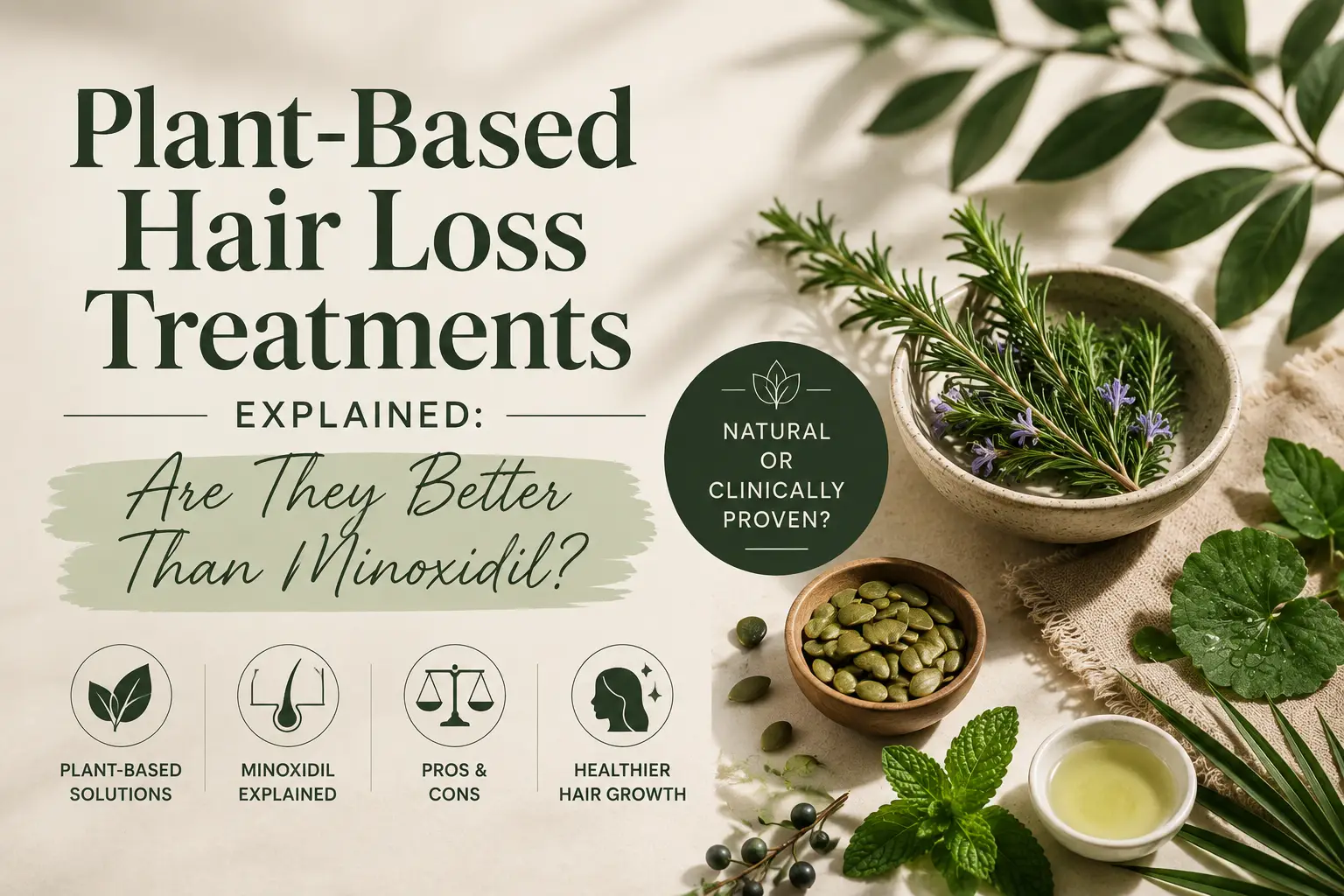
Plant-Based Hair Loss Treatments Explained: Are They Better Than Minoxidil?
Hair loss can be frustrating, emotional and, at times, overwhelming. With so many products and treatments available, it’s not always easy to know where to start. Two of the most common approaches are plant-based hair loss treatments and minoxidil, a widely used medication for certain types of hair loss.
While both aim to support healthier hair growth, they work in very different ways. One focuses on improving the scalp environment and supporting healthier hair over time, while the other is a clinically proven medication designed to stimulate hair growth in specific cases.
The best choice depends on what’s causing your hair loss. That’s why personalised hair care is so important. Rather than choosing a product based on trends or recommendations alone, identifying your scalp condition, hair type and underlying concerns can help you build a routine that’s better suited to your individual needs.
Understanding What Causes Hair Loss
Before choosing a treatment, it’s important to understand why your hair is thinning in the first place. Hair loss can have many different causes, including:
- Genetics (androgenetic alopecia or pattern hair loss)
- Hormonal changes
- Stress or illness
- Nutritional deficiencies
- Certain medications
- Tight hairstyles or excessive heat styling
- Scalp conditions such as dandruff, psoriasis or eczema
Since different causes require different solutions, a treatment that works well for one person may not be the right choice for another.
What Are Plant-Based Hair Loss Treatments?
Plant-based hair loss treatments use naturally derived botanical ingredients to support scalp health and encourage healthier hair growth. Rather than forcing hair follicles into a growth phase, these treatments often work by improving the environment in which healthy hair grows.
Many formulations include ingredients such as:
- Rosemary oil
- Peppermint oil
- Pumpkin seed oil
- Saw palmetto
- Aloe vera
- Green tea extract
- Plant-derived caffeine
These ingredients are commonly chosen for their antioxidant, soothing or circulation-supporting properties. While research into individual botanicals continues to grow, results can vary depending on the ingredient, formulation and the cause of hair loss.
Benefits of Plant-Based Hair Loss Treatments
Plant-based hair care may:
- Support a healthier scalp
- Help reduce scalp dryness and irritation
- Improve the appearance and strength of existing hair
- Reduce breakage
- Be suitable for long-term use
- Be a good option for people with sensitive scalps
However, while some botanical ingredients have shown promising results in studies, plant-based treatments generally have less clinical evidence than medications such as minoxidil.
How Does Minoxidil Work?
Minoxidil is an over-the-counter medication approved in many countries for treating certain types of hair loss, particularly hereditary pattern hair loss.
Although researchers don’t fully understand every aspect of how it works, minoxidil is believed to:
- Extend the hair growth (anagen) phase
- Increase blood flow around hair follicles
- Help miniaturised follicles produce thicker hairs
Most people need to apply minoxidil consistently for several months before noticing visible improvements. Some users also experience temporary increased shedding during the first few weeks as older hairs are replaced by new growth.
Because its effects are ongoing rather than permanent, stopping treatment often results in any new growth gradually being lost.
Plant-Based Hair Loss Treatments vs Minoxidil
Plant-Based Hair Loss Treatments | Minoxidil |
Supports overall scalp health | Stimulates hair growth in certain types of hair loss |
Focuses on long-term hair and scalp wellness | Clinically studied medication |
Usually gentle on sensitive scalps | May cause dryness or irritation in some users |
Research varies depending on ingredients | Strong evidence for androgenetic alopecia |
May improve hair strength and reduce breakage | Helps maintain and regrow hair while treatment continues |
Suitable as part of a holistic hair care routine | Requires consistent ongoing use |
Which Option Is More Effective?
The answer depends on the cause of your hair loss.
For hereditary pattern hair loss, minoxidil currently has stronger scientific evidence supporting regrowth.
However, hair health isn’t only about stimulating new growth. If your scalp is inflamed, excessively oily, dry or experiencing ongoing irritation, simply encouraging hair growth may not address the underlying issue.
Plant-based hair loss treatments can be particularly beneficial when hair thinning is linked to:
- Poor scalp health
- Environmental stress
- Hair damage and breakage
- Temporary shedding
- General hair maintenance
Supporting a healthy scalp creates a better foundation for stronger, healthier hair over time.
Can You Use Plant-Based Hair Loss Treatments and Minoxidil Together?
In many cases, yes.
Many people choose to use minoxidil while also following a gentle hair care routine that includes plant-based shampoos, conditioners and scalp treatments. This approach may help maintain scalp comfort while supporting overall hair health.
If you’re considering combining treatments, it’s always worth speaking to a healthcare professional or dermatologist, particularly if you have an existing scalp condition or are experiencing significant hair loss.
Why a Personalised Approach Matters
Hair loss is rarely one-size-fits-all.
Someone with postpartum shedding has very different needs from someone with hereditary pattern hair loss or heat-breakage hair loss.
That’s why personalised hair care can make such a difference. Looking at your scalp condition, hair texture, lifestyle and individual concerns helps create a routine tailored to your specific needs instead of relying on generic, off-the-shelf products.
At True to Life™, we believe healthier hair starts with understanding your hair and scalp first. Whether you’re dealing with thinning hair, dryness, excess oil or scalp irritation, choosing products based on your unique needs can help support healthier-looking hair over time.
Lifestyle Habits That Support Healthy Hair Growth
No matter which treatment you choose, healthy hair also depends on everyday habits. Consider:
- Eating a balanced diet rich in protein, iron and essential nutrients
- Managing stress where possible
- Getting enough sleep
- Avoiding excessive heat styling
- Being gentle when brushing and styling your hair
- Following a consistent hair care routine
These habits won’t replace treatment when an underlying medical condition is present, but they can support overall hair and scalp health.
When Should You Seek Professional Advice?
While some shedding is completely normal, it’s worth speaking to a healthcare professional if you notice:
- Sudden or severe hair loss
- Bald patches
- Persistent scalp irritation
- Hair loss following illness that doesn’t improve
- Rapid thinning over a short period
Identifying the cause early can help you choose the most appropriate treatment.
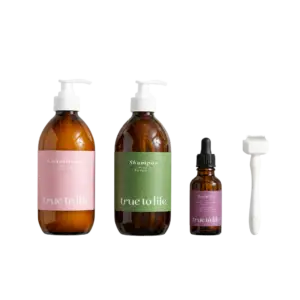
R918.00 – R1,402.00Price range: R918.00 through R1,402.00
Estimated delivery dates: Sep 24, 2026 - Sep 29, 2026
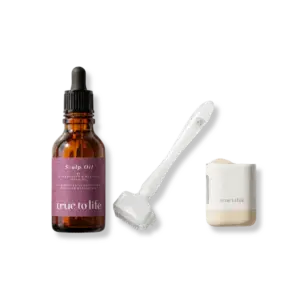
R911.00 – R958.00Price range: R911.00 through R958.00
Estimated delivery dates: Sep 23, 2026 - Sep 28, 2026
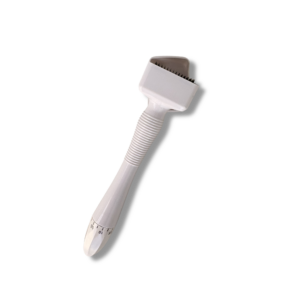
R189.99
Estimated delivery dates: Sep 23, 2026 - Sep 28, 2026
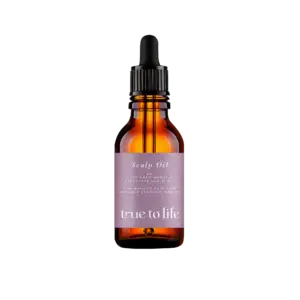
R379.00
Estimated delivery dates: Sep 23, 2026 - Sep 28, 2026
R439.99
Estimated delivery dates: Sep 23, 2026 - Sep 28, 2026
R369.00
Estimated delivery dates: Sep 23, 2026 - Sep 28, 2026
R349.00
Estimated delivery dates: Sep 23, 2026 - Sep 28, 2026
R349.00
Estimated delivery dates: Sep 23, 2026 - Sep 28, 2026
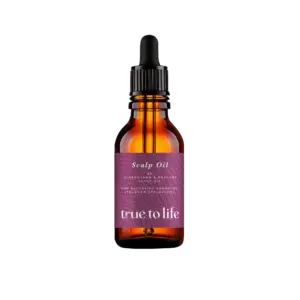
R349.00
Estimated delivery dates: Sep 23, 2026 - Sep 28, 2026
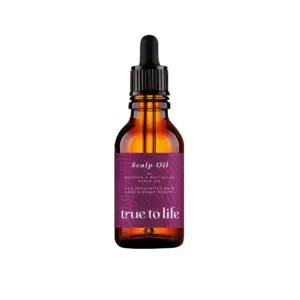
R329.00
Estimated delivery dates: Sep 23, 2026 - Sep 28, 2026
Start your hair growth journey with us.
Take the Hair Assessment to get a your recommended products to support your hair growth journey
Final Thoughts
Plant-based hair loss treatments and minoxidil each have an important place in hair care, but they serve different purposes.
Minoxidil remains one of the most well-researched options for hereditary pattern hair loss, while plant-based treatments focus on supporting scalp health and creating the ideal environment for healthier hair.
Rather than asking which option is better, the more useful question is: Which option is right for your hair?
By understanding the cause of your hair loss and choosing a personalised routine based on your individual hair and scalp needs, you’ll be in a much better position to support healthy, resilient hair for the long term.
Post Views: 122