Experiencing menopause hair loss can feel sudden and emotionally challenging, especially when hair begins to lose density, strength, or overall volume. For many, the first signs actually appear during perimenopause hair loss, when hormones begin fluctuating long before menopause officially starts.

During this transition, changes in estrogen and progesterone levels can disrupt the hair growth cycle, leading to increased shedding, slower regrowth, and finer hair strands. 

Understanding both menopausal hair loss and perimenopausal hair loss is essential for managing thinning hair during menopause in a proactive and informed way.

What Is Menopause Hair Loss?

Menopause hair loss refers to gradual thinning or shedding caused by hormonal changes during and after menopause. 

As estrogen declines, the hair growth phase becomes shorter, meaning strands spend less time actively growing.

Common signs of losing hair during menopause include:

  • Overall reduction in hair density
  • Thinning at the crown or parting
  • Finer, weaker strands over time
  • Slower regrowth cycles

For many individuals, menopausal hair loss develops gradually, making early changes easy to miss.

Perimenopause Hair Loss: The First Stage of Change

Before menopause, many people experience perimenopause hair loss, which can feel more unpredictable due to fluctuating hormone levels.

Unlike a steady hormonal decline, perimenopause involves cycles of rising and falling estrogen, which can shock the hair growth cycle and increase shedding episodes.

Common signs of losing hair during perimenopause include:

  • Sudden or increased shedding in the shower or brush
  • Hair feels less full or dense
  • Widening of the part line
  • Alternating periods of shedding and temporary recovery

Recognising perimenopause hair loss early can help slow the progression of thinning hair from menopause later on.

Why Hormones Affect Hair During Menopause and Perimenopause

Both hair loss types are primarily driven by hormonal shifts, especially declining estrogen.

Estrogen plays a key role in:

  • Supporting the hair’s growth phase
  • Maintaining strand thickness and strength
  • Balancing androgen activity in the scalp

When estrogen levels drop, androgens may become more dominant, which can contribute to follicle miniaturisation and gradual thinning. 

This is why hair loss due to menopause often resembles female pattern hair loss.

During perimenopause hair loss, fluctuating hormones create inconsistent hair cycles, leading to periods of increased shedding followed by partial regrowth.

Other Contributing Factors

While hormones are central, menopause hair loss can also be influenced by additional factors:

  • Stress: Can accelerate shedding cycles
  • Nutrient deficiencies: Iron, vitamin D, and B vitamins are common contributors
  • Thyroid changes: Often overlap with midlife hair thinning
  • Inflammation: Affects scalp environment and follicle health
  • Genetics: Determines sensitivity to hormonal changes

These combined factors can intensify perimenopausal hair loss, making it feel more sudden or severe

How Hair Changes Progress During Menopause

Menopausal hair loss typically develops gradually but becomes more noticeable over time. As hormonal levels remain lower after menopause, the hair growth cycle stays shortened.

Common long-term changes include:

  • Reduced overall hair volume
  • Increased scalp visibility
  • Slower response to growth support routines
  • Weaker, more fragile strands

Understanding this progression of menopausal hair loss helps create realistic expectations and encourages early intervention.

Supporting Thinning Hair From Menopause and Perimenopause

While hormonal shifts cannot be fully prevented, there are ways to support healthier hair during both menopause hair loss and perimenopause hair loss.

Support scalp health

A balanced scalp environment is essential for improving thinning hair from menopause and maintaining stronger growth cycles.

Focus on nutrition

Protein, iron, omega-3 fatty acids, and antioxidants all support healthier strands and may help reduce the impact of hair loss due to menopause.

Manage stress levels

High stress can worsen losing hair from perimenopause, so restorative habits like sleep and relaxation are important.

Be gentle with hair care

Reducing heat styling and avoiding tight hairstyles can help protect fragile strands affected by menopause hair loss.

Can Hair Regrow After Menopause Hair Loss?

In many cases, menopausal hair loss can be stabilised, and partial regrowth is possible depending on follicle health. 

The earlier perimenopause hair loss is addressed, the better the chance of maintaining density and slowing thinning hair from menopause.

However, because hormonal changes continue over time, the focus is usually on:

  • Slowing further shedding
  • Strengthening existing strands
  • Improving scalp condition

Targeted scalp care can support this process effectively. 

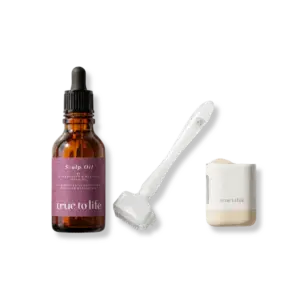
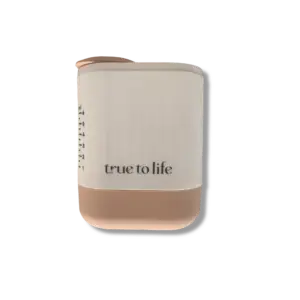
True to Life helps support thinning hair from menopause with tools and formulations designed for scalp stimulation and nourishment:

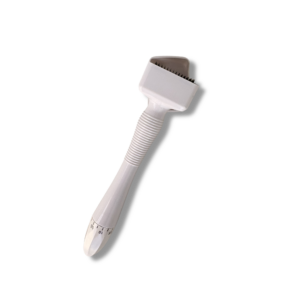
    • Derma stamp to help stimulate the scalp and enhance product absorption
    • LED scalp massager to support circulation
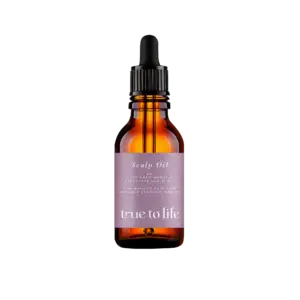
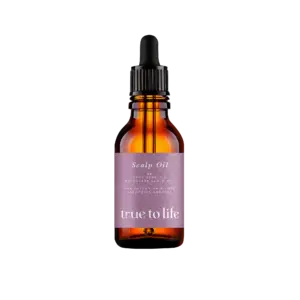
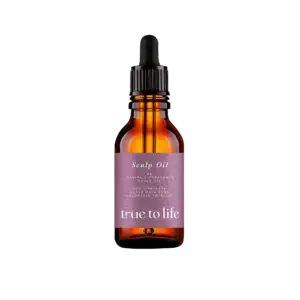
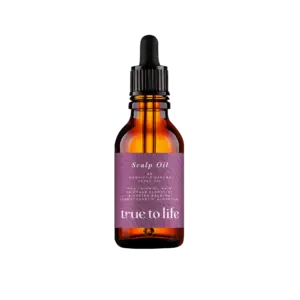
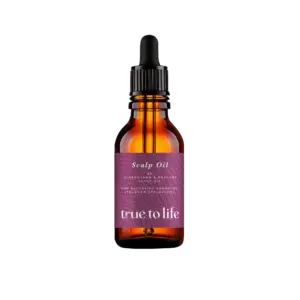
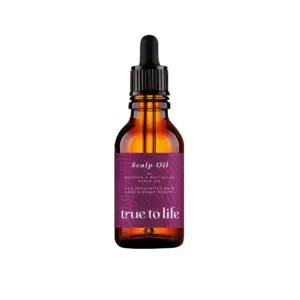
    • Scalp oils formulated for different hair loss types

Additionally, using shampoos and conditioners designed for thinning hair can help improve scalp balance and reduce the visible effects of menopause hair loss and perimenopause hair loss over time.

Important Note

It’s important to recognise that menopause hair loss and perimenopause hair loss can sometimes be linked to underlying nutritional or hormonal imbalances. Consulting a medical professional before starting supplements or treatment is recommended, as blood tests can identify contributing factors such as iron deficiency, thyroid imbalance, or vitamin deficiencies. Addressing these underlying causes can improve outcomes for hair loss due to menopause alongside external scalp care.


Take a look at our personalised product solutions

Start your hair growth journey with us.

Take the Hair Assessment to get a your recommended products to support your hair growth journey

Final Thoughts

Both menopause hair loss and perimenopause hair loss are natural but often misunderstood stages of hormonal change. While they can feel frustrating, they are manageable with the right combination of internal support and external scalp care.

By understanding what drives thinning hair from menopause and taking early action during perimenopause, it is possible to support healthier, stronger-looking hair throughout this transition.


Related Articles

Hair Shedding More Than Usual? The Causes May Surprise You

How Much Hair Loss Is Normal in a Day? What You Need to Know

Hair Routine Isn’t Working? What You Need to Know

Plant-Based Hair Loss Treatments Explained: Are They Better Than Minoxidil?

The Ultimate Guide to Male Hair Loss: Causes and Regrowth Support

Derma Stamping for Hair Growth: The Essential Guide to Hair Microneedling