Free shipping on orders over R980 | First order? Get 10% off orders of R499 and above instead
Living with lupus hair loss can feel exhausting, emotionally and physically. One day your hair feels normal, and the next you’re noticing excessive shedding, widening parts, fragile strands, or patchy thinning that doesn’t seem to improve no matter what you try.
If this sounds familiar, you’re not alone.
At True to Life, we believe in honesty over unrealistic promises. Lupus-related hair loss is complex because it originates from within the body; however, understanding its causes can help you support healthier regrowth over time with patience, consistency, and gentle care.
Why Does Lupus Cause Hair Loss?
Lupus SLE is an autoimmune condition, meaning the immune system mistakenly attacks healthy tissues in the body, including the scalp and hair follicles.
This autoimmune activity can interrupt the natural hair growth cycle and lead to:
- Diffuse thinning throughout the scalp
- Excessive shedding during flares
- Fragile, dry, slow-growing strands
- Scalp inflammation or tenderness
- Patchy hair loss
- Scarring hair loss in some cases (known as discoid lupus)
For many women, lupus and hair thinning can fluctuate in severity depending on factors such as inflammation levels, stress, medications, hormones, and overall health.
Hair loss from lupus is rarely “just hair.” It’s often a reflection of what the body is managing internally.
What’s Happening Inside Your Body?
Chronic Inflammation
One of the biggest contributors to lupus hair loss is systemic inflammation.
During lupus flares, inflammation can disrupt the hair growth cycle, weaken follicles, and push hairs into a premature shedding phase. Over time, repeated inflammation may make it harder for hair to grow consistently.
Supporting inflammation may include:
- Omega-3-rich foods like salmon, walnuts, flaxseed, and chia
- Anti-inflammatory foods and herbs such as turmeric and ginger (if approved by your doctor)
- Stress reduction and restorative sleep
- Following the treatment plan provided by your healthcare team
Reducing inflammation is often one of the most important parts of any lupus hair loss treatment approach.
Nutrient Deficiencies
Many people with lupus experience nutrient deficiencies, either from the condition itself, digestive issues, reduced appetite during flares, or medications.
Hair follicles require significant nutrients and energy to function properly. When the body is depleted, hair is often one of the first things affected.
Important nutrients to check include:
- Iron and ferritin
- Zinc
- Vitamin B12
- Folate
- Vitamin D
- Protein intake
- Biotin
Low iron, in particular, is incredibly common in women experiencing autoimmune-related hair thinning.
If you suspect deficiencies, speak with your doctor or a qualified nutrition professional before supplementing. Testing is important because both low and excessively high levels can impact hair health.
Hormonal Imbalances
Lupus can also affect hormones indirectly through stress on the body, adrenal fatigue, or thyroid dysfunction.
The thyroid plays a major role in hair growth, texture, and shedding patterns.
If you’re also experiencing symptoms like:
- Fatigue
- Cold intolerance
- Brain fog
- Mood changes
- Dry skin
- Weight fluctuations
…it may be worth discussing thyroid testing with your healthcare provider.
Balancing hormones can be another important piece of supporting hair regrowth after lupus.
Stress & Autoimmune Flares
Stress is both emotional and physical.
Living with a chronic illness already places stress on the nervous system, and periods of emotional stress can trigger additional shedding known as telogen effluvium.
This type of shedding often happens a few months after a flare, illness, medication change, or stressful event.
Gentle ways to support your body include:
- Light movement, like walking or yoga
- Nervous system support and rest
- Therapy or journaling
- Blood sugar balance
- Prioritising sleep and recovery
Sometimes supporting hair health means supporting the entire body first.

Can Hair Grow Back After Lupus?
In many non-scarring cases, yes, hair can regrow after lupus.
Once inflammation is better managed and the body has the nutrients and support it needs, follicles may gradually begin producing stronger hair again.
However, regrowth is usually slow and non-linear.
Hair often improves in stages:
- Reduced shedding first
- Baby hairs and short regrowth next
- Improved density and strength over time
Scarring forms of lupus hair loss may be permanent if follicles are damaged, which is why early support and medical care are important.
What About Hair Products?
Hair products cannot cure autoimmune conditions or reverse internal inflammation. But they can help support the scalp environment while your body heals.
Using harsh products on an already sensitive scalp can worsen dryness, irritation, buildup, and breakage.
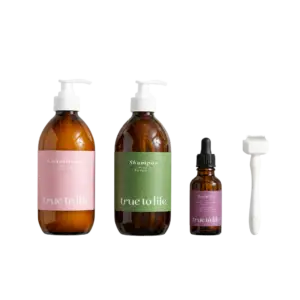
At True to Life, we focus on gently and realistically supporting the scalp, especially for women navigating different types of hair loss.
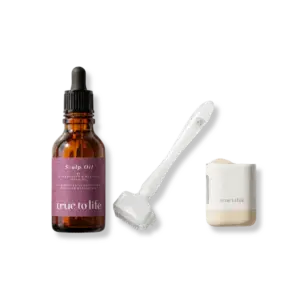
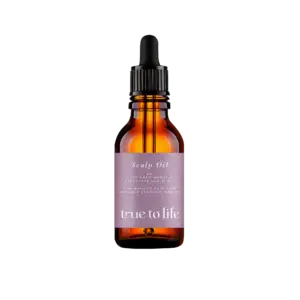
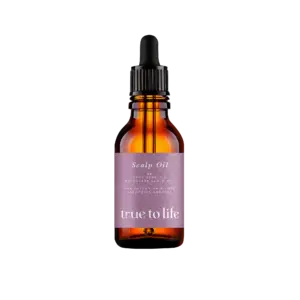
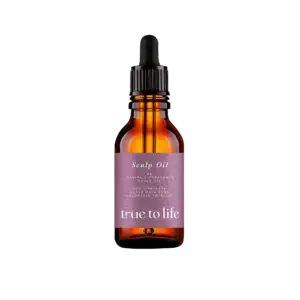
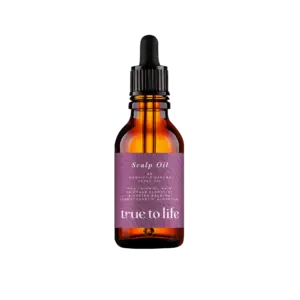
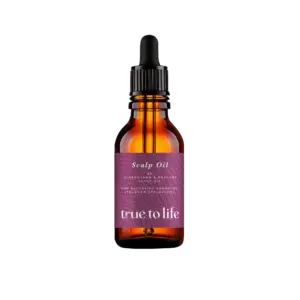
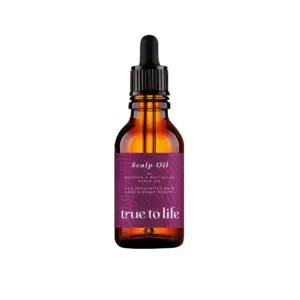
Our scalp oils are formulated with different hair loss concerns in mind because not all shedding happens for the same reason. Our #2 Strengthen & Restore Scalp Oil is formulated specifically for telogen effluvium. A scalp experiencing inflammatory autoimmune hair loss often has very different needs compared to postpartum shedding, stress-related hair loss, hormonal thinning, or traction damage.
That’s why our approach focuses on:
- Lightweight, sulfate-free, non-stripping formulations
- Plant-based ingredients that soothe the scalp barrier
- Oils selected to support circulation and scalp comfort
- Moisture balance without heavy buildup
- Gentle support for fragile, sensitive strands
Ingredients like rosemary, aloe vera, jojoba, and other botanical oils are chosen to help create a healthier scalp environment while remaining gentle on compromised hair and skin.
We don’t believe in miracle claims or overnight regrowth promises. We believe in supporting your hair realistically, consistently, and compassionately.
Gentle Haircare Tips for Lupus Hair Loss
If your scalp feels sensitive or your hair feels fragile, these small adjustments may help:
- Avoid tight hairstyles that pull on the scalp
- Minimise excessive heat styling
- Use sulfate-free cleansers
- Prioritise scalp hydration
- Be gentle when detangling wet hair by using a mist or serum
- Avoid aggressive brushing or scratching the scalp
- Protect hair during sleep with satin or silk
When the scalp is inflamed or vulnerable, gentleness matters more than perfection.
Take a look at our personalised product solutions
R1,897.00 – R2,480.00Price range: R1,897.00 through R2,480.00
R918.00 – R1,402.00Price range: R918.00 through R1,402.00
R911.00 – R958.00Price range: R911.00 through R958.00
R189.99
R379.00
R439.99
R369.00
R349.00
R349.00
R349.00
R329.00
Start your hair growth journey with us.
Take the Hair Assessment to get a your recommended products to support your hair growth journey
Final Thoughts
Lupus hair loss is deeply emotional, and it can impact confidence, identity, and mental well-being in ways many people don’t fully understand.
If you’re struggling with lupus and hair thinning, please know this: your body is not failing you. It’s navigating an incredibly complex condition.
Healing and regrowth often require a combination of internal support, medical care, nervous system regulation, proper nutrition, and gentle haircare.
At True to Life, our goal isn’t to sell false hope; it’s to support you honestly through every stage of your hair journey.
Because sometimes the healthiest thing you can do for your hair is start treating yourself with the same gentleness your body has been asking for all along.
Related Articles
Plant-Based Hair Loss Treatments Explained: Are They Better Than Minoxidil?
The Ultimate Guide to Male Hair Loss: Causes and Regrowth Support
Derma Stamping for Hair Growth: The Essential Guide to Hair Microneedling
Chemo Hair Loss: How to Support Healthy Hair Regrowth
Pregnancy Hair Changes and Postpartum Hair Loss Can Feel Overwhelming — Here’s How to Support Recovery