Hair Loss from Blood Thinners: Causes, Medications & How to Support Regrowth

Is hair loss from blood thinners possible? When we think about hair loss, the conversation often centres around stress, hormones, or product choice. However, the truth is that your internal health, particularly your cardiovascular system, subtly influences how your hair grows, sheds, and regenerates itself.

If you’ve been experiencing unexpected thinning, increased shedding, or slower regrowth, your medication or heart health history may be contributing factors.

Hair Loss from Blood Thinners: Is There a Link?

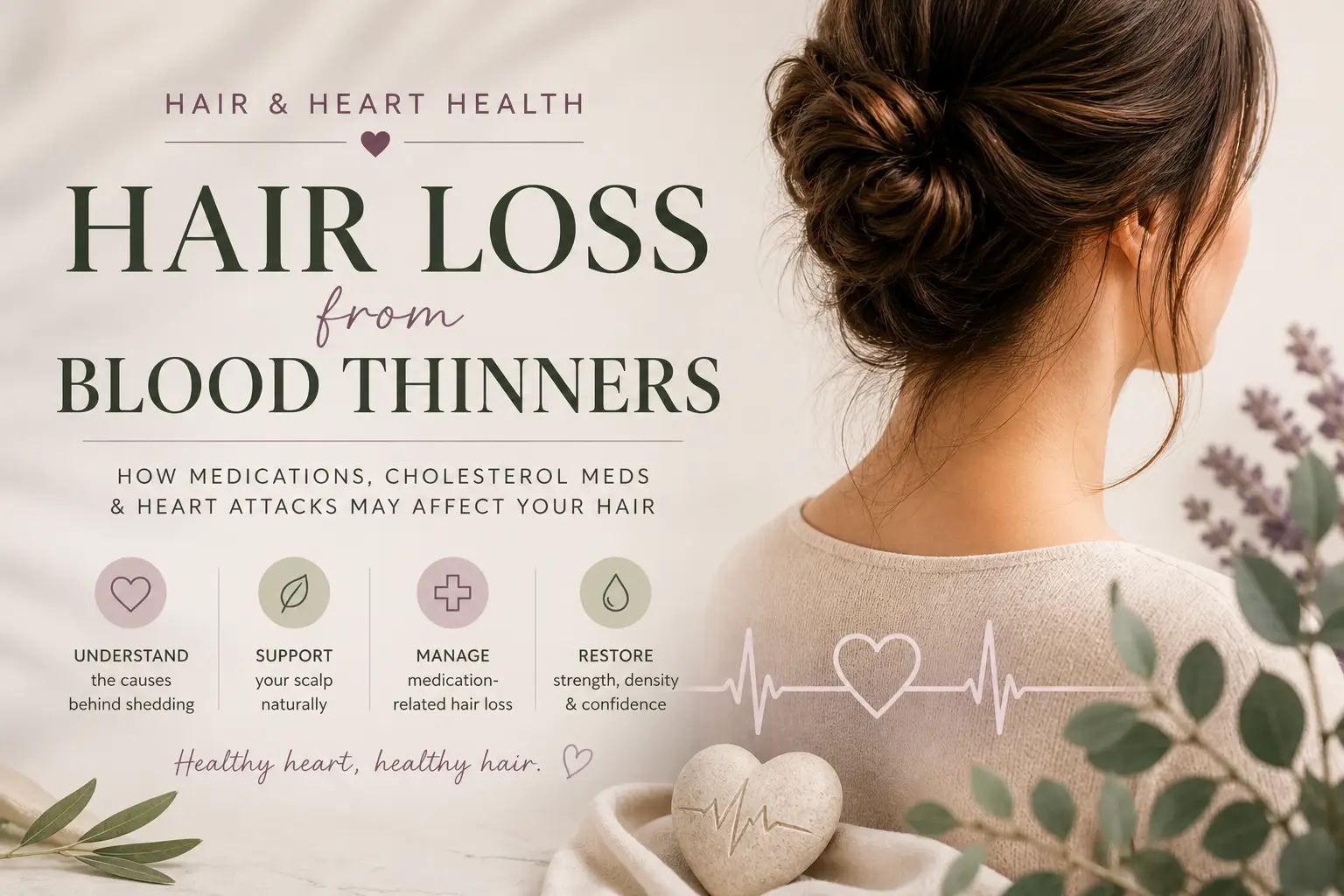
Hair loss from blood thinners is more common than many realise. Blood thinners (anticoagulants) are essential for preventing clots and protecting heart health, but they can sometimes disrupt the natural hair growth cycle.

How do blood thinners cause hair loss?

These medications may trigger telogen effluvium, a temporary condition where hair shifts prematurely into the resting (shedding) phase. Instead of gradual, balanced shedding, you may notice sudden hair fall, reduced density, or a thinner ponytail.

This doesn’t damage the follicle permanently, but it does interrupt your hair’s rhythm.

Common blood thinners linked to hair loss:

  • Warfarin (Coumadin)
  • Heparin
  • Apixaban (Eliquis)
  • Rivaroxabán (Xarelto)

Not everyone experiences hair loss from blood thinners, but if shedding began shortly after starting medication, the connection is worth exploring.

High Cholesterol Medications and Hair Loss

Cholesterol-lowering medications, particularly statins, are widely used to support heart health. While hair loss isn’t a common side effect, some individuals report increased shedding or thinning.

Why might this happen?

Statins such as:

  • Atorvastatin (Lipitor)
  • Simvastatin (Zocor)

may, in rare cases, influence the hair growth cycle or reduce the availability of certain compounds needed for optimal follicle function.

Key insight:

Hair changes linked to medication often follow a timeline. If your thinning began after starting or adjusting your prescription, it’s worth noting.

Can a Heart Attack Cause Hair Loss?

Yes, and not in the way most people expect.

A heart attack places intense stress on the body, and hair is often one of the first systems to respond to internal disruption.

Here’s what happens:

  • Stress response: Physical and emotional trauma can trigger telogen effluvium
  • Hormonal shifts: Recovery can temporarily alter growth signals
  • Medication impact: Post-event prescriptions may contribute to shedding

The reassuring part?

This type of hair loss is typically temporary and highly responsive to the right support.

What To Do If You’re Experiencing Hair Loss from Blood Thinners

You should never stop prescribed medication without medical guidance, but you can actively support your scalp environment and hair recovery.

A more strategic, follicle-focused approach:

Stimulate circulation daily

Use LED scalp massagers to gently energise the scalp, encouraging blood flow and nutrient delivery to follicles that may be underperforming.

Use targeted scalp oils (not one-size-fits-all)

Hair loss isn’t universal, whether it’s telogen effluvium, stress-related shedding, or post-medication thinning. Using targeted scalp oils designed for specific types of hair loss (like telogen) helps address the root cause more precisely.

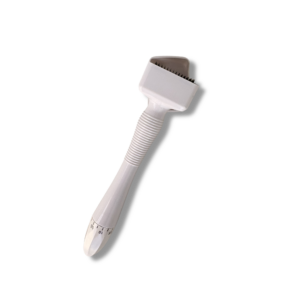
Support regrowth with derma stamping

Derma stamps create micro-channels in the scalp, helping stimulate follicle activity and enhancing absorption of your scalp treatments, making your routine significantly more effective.

Strengthen from the root

Focus on ingredients like panthenol (Vitamin B5), peptides, and plant proteins to reinforce weakened strands and reduce breakage during recovery.

Work with your doctor, not against your treatment

If hair loss from blood thinners is significant, speak with your healthcare provider about timing, dosage, or possible alternatives.

How True to Life Supports Hair Through Internal Stress

When your body is under pressure, your hair routine needs to become more intentional, not more aggressive.

At True to Life, the focus is on restoring balance at the scalp level, because healthy hair begins where growth is signalled.

Boost Circulation

with rosemary, peppermint, and tea tree to awaken sluggish follicles

Strengthen Follicles

using panthenol (Vitamin B5) and hydrolysed proteins

Soothe the Scalp

with aloe vera and calming botanicals

Target the Cause

with specialised scalp oils designed for different types of hair loss, including telogen effluvium

Take a look at our personalised product solutions

Start your hair growth journey with us.

Take the Hair Assessment to get a your recommended products to support your hair growth journey

Final Thoughts

Hair loss from blood thinners can feel unexpected,but it’s often your body responding to internal change, not permanent damage.

With the right combination of patience, targeted scalp care, and supportive treatments, your hair can return to a healthier, fuller growth cycle.

Related Articles

Hair Shedding More Than Usual? The Causes May Surprise You

How Much Hair Loss Is Normal in a Day? What You Need to Know

Hair Routine Isn’t Working? What You Need to Know

Plant-Based Hair Loss Treatments Explained: Are They Better Than Minoxidil?

The Ultimate Guide to Male Hair Loss: Causes and Regrowth Support

Derma Stamping for Hair Growth: The Essential Guide to Hair Microneedling