Free shipping on orders over R980 | First order? Get 10% off orders of R499 and above instead

“#2 Curl Enhancing Leave-in Hair Mist” has been added to your basket. View basket

Frizzy 4C Hair to Silk-Like Coils: The Ultimate Transformation Guide
Frizzy 4C hair is often misunderstood. What many label as “frizz” is sometimes simply the natural beauty of tightly coiled strands. But when frizz becomes excessive, leaving hair dry, undefined, and difficult to manage, it’s usually a sign that your hair is missing something essential: moisture, balance, and intentional care.
Understanding the difference is the first step to transforming frizzy 4C hair into soft, defined, healthy coils.
What Is Frizzy 4C Hair, Really?
4C hair has the tightest curl pattern, forming a delicate zig-zag shape rather than uniform, ring-like curls. Because of this structure, natural oils from the scalp struggle to travel down the hair shaft, making dryness and, therefore, frizz more common.
Frizzy 4C hair typically shows up as:
- Reduced curl definition
- A rough, dry texture
- A halo of lifted strands
- Hair that tangles or feels brittle
But not all fullness is frizz. 4C hair is naturally voluminous; frizz becomes a concern when hydration and structure are missing.
How to Tell If You Have Frizzy 4C Hair (or Just Natural Volume)
Because 4C hair has a naturally tight, zig-zag curl pattern, it’s not always easy to distinguish between healthy texture and frizzy 4C hair.
Volume is part of the beauty, but true frizz behaves differently.
Signs of Frizzy 4C Hair
Raised Cuticles
Hair appears dull, lacks shine, and feels rough rather than soft. This is one of the clearest indicators of frizzy 4C hair, as lifted cuticles prevent moisture from staying sealed within the strand.
Halo effect
Short, lifted strands sit above the main body of your hair instead of blending into defined sections. Rather than clumping together, the hair looks scattered and airy.
Loss of definition
Instead of forming small, consistent coils, the hair collapses into an undefined puff. This is where frizzy 4C hair becomes most noticeable, when your natural pattern isn’t able to hold.
Dry, brittle feel
Even after applying products, the hair still feels straw-like or fragile, suggesting moisture isn’t properly penetrating or being retained.
Weather reactivity
Frizzy 4C hair tends to react dramatically to the environment, swelling in humidity and shrinking excessively in dry air due to an unsealed cuticle.
What’s Not Frizz
Understanding this distinction is just as important.
Natural fullness
4C hair is not meant to lie flat or appear overly sleek. Its cloud-like fullness is part of its identity, even when it’s fully healthy.
Shrinkage
Shrinkage signals elasticity and strength, not damage.
High volume
Big, voluminous hair doesn’t equal frizzy 4C hair. Volume without dryness or roughness is simply your natural texture at its best.
The Key Difference
Frizzy 4C hair isn’t about how big your hair looks; it’s about how it behaves.
It typically comes down to:
- Loss of curl definition
- A raised or unsealed cuticle
- Lack of lasting moisture
When these show up together, you’re dealing with frizz, not just texture.
Why Does 4C Hair Get So Frizzy?
Frizz isn’t random; it’s a response to what your hair is lacking or experiencing.
Lack of Moisture
The most common cause of frizzy 4C hair is dehydration. When hair lacks moisture, the cuticle lifts, allowing humidity to enter and disrupt the strand.
High Porosity or Damage
Chemicals, heat styling, and over-manipulation can raise the cuticle, making it harder for hair to retain moisture.
Product Mismatch
Using products that are too light or too heavy without proper absorption can leave hair either dry or coated, both contributing to frizzy 4C hair.
Over-Manipulation
Frequent styling, combing, or touching disrupts the curl pattern and encourages frizz.
How to Reduce Frizzy 4C Hair (Without Losing Volume)
The goal isn’t to eliminate volume, it’s to refine it into defined, hydrated softness.
Hydrate First
Start with a water-based leave-in to support hydration and softness, keeping your routine minimal and intentional to better manage frizzy 4C hair.
Seal the Cuticle
Oils such as jojoba or castor oil smooth the hair shaft, helping reduce frizz while maintaining softness.
Style on Damp Hair
Applying products to damp hair allows for better absorption and more even curl definition.
Choose Definition-Focused Styles
Twist-outs, braid-outs, and finger coils encourage strands to clump together, minimizing the appearance of frizzy 4C hair.
Protect at Night
Switch to satin or silk pillowcases or bonnets to reduce friction and preserve moisture overnight.
Our Approach
At True to Life, we approach frizzy 4C hair with a more intentional, personalised philosophy.
Rather than relying on one-size-fits-all solutions, our formulations are designed to support your hair’s unique porosity, density, and moisture needs.
Using carefully selected ingredients that mimic and replenish the hair’s natural oils, we help smooth the cuticle, improve moisture retention, and enhance definition, without weighing the hair down.
Because each formula is tailored to your hair’s specific needs, fewer products are required, simplifying your routine while delivering more effective, targeted results for frizzy 4C hair.
The result is softer, more balanced, and naturally defined coils that feel as healthy as they look.
The Real Secret: Consistency Over Perfection
There’s no single miracle fix for frizzy 4C hair. Real results come from consistency, hydrating regularly, minimising damage, and learning what your hair responds to.
With the right routine, 4C hair becomes softer, more defined, and easier to manage without losing its natural beauty.
Take a look at our personalised product solutions
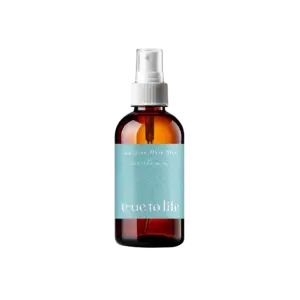
R269.00
Estimated delivery dates: Sep 24, 2026 - Sep 29, 2026
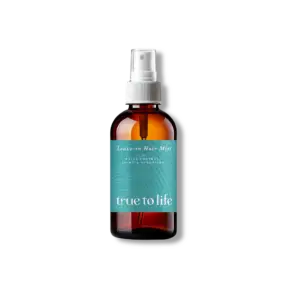
R249.00
Estimated delivery dates: Sep 24, 2026 - Sep 29, 2026
Start your hair growth journey with us.
Take the Hair Assessment to get a your recommended products to support your hair growth journey
Final Thoughts
Frizzy 4C hair isn’t something to fight; it’s something to understand. When you focus on moisture, gentle care, and intentional styling, frizz becomes manageable, and your natural coils can truly thrive.
Because healthy 4C hair isn’t about forcing definition, it’s about creating the conditions where it naturally appears.
Related Articles
Why Do I Have An Oily Scalp And Dry Hair? The Frustrating Truth About High Porosity + Proven Fixes

Unlocking Natural Shine and Moisture with Shampoos You Love!
Post Views: 382