Free shipping on orders over R980 | First order? Get 10% off orders of R499 and above instead

Free shipping on orders over R980 | First order? Get 10% off orders of R499 and above instead
Hair loss and thinning hair can affect both men and women at various stages of life. Whether you’re experiencing a receding hairline, postpartum shedding, stress-related hair loss, or gradual thinning, finding solutions that support healthy regrowth can feel overwhelming. One treatment that has gained significant attention in recent years is derma stamping for hair growth.
Also known as hair microneedling or scalp microneedling, derma stamping is a simple yet effective technique that may help stimulate the scalp and create a healthier environment for hair growth. When combined with high-quality scalp oils and a consistent hair care routine, it is used by many people as part of their long-term hair regrowth strategy.
In this guide, we’ll explain how derma stamping works, its potential benefits, how often to use it, and how to incorporate it into your hair care routine safely.
What Is Derma Stamping for Hair Growth?
Derma stamping for hair growth involves using a specialised device fitted with tiny needles that create controlled microchannels in the scalp. Unlike a derma roller, which rolls across the skin at multiple angles, a derma stamp is pressed vertically into the scalp, allowing for more targeted and consistent treatment.
These tiny micro-injuries trigger the body’s natural healing response, which may help improve circulation and encourage the production of growth factors associated with healthy hair follicles.
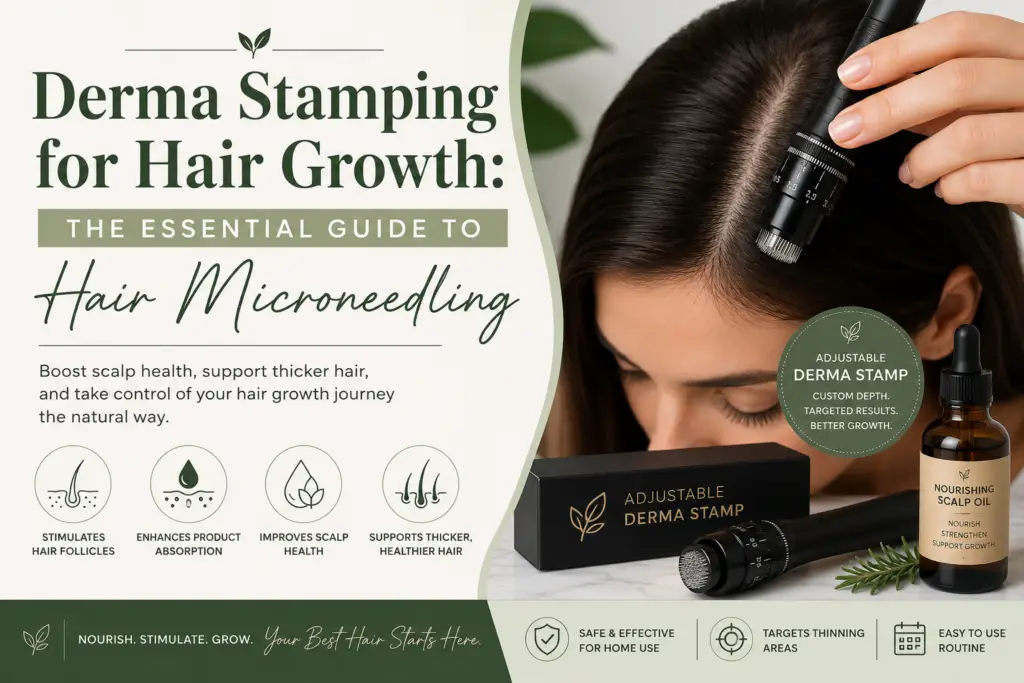
Many people choose an adjustable derma stamp because it allows needle depth to be customised based on individual scalp needs and comfort levels.
How Does Hair Microneedling Work?
The concept behind hair microneedling is relatively straightforward. The controlled stimulation created by the needles encourages the scalp’s repair mechanisms.
Potential benefits of scalp microneedling include:
- Increased blood flow to the scalp
- Enhanced delivery of nutrients to hair follicles
- Support for healthier follicle function
- Improved scalp health
- Better absorption of topical hair treatments and scalp oils
- Stimulation of collagen production around follicles
Research suggests that microneedling for hair growth may help improve hair density and thickness when used consistently as part of a broader hair care regimen.
Benefits of Derma Stamping for Hair Loss
People experiencing various forms of hair thinning often turn to derma stamping for hair loss because it offers a non-surgical, at-home option that can complement other hair growth strategies.
May Support Hair Regrowth
By stimulating the scalp’s natural healing response, derma stamping may help create an environment that supports healthier hair growth over time.
May Improve Hair Thickness
Many users report that hair appears fuller and denser after several months of consistent use, particularly when combined with supportive hair growth products.
Encourages Better Product Absorption
One of the most significant advantages of scalp microneedling is that the microchannels may help topical products penetrate more effectively. This is why many people pair microneedling with nutrient-rich scalp oils designed to nourish the scalp.
Can Be Used on Different Areas of Thinning
An adjustable derma stamp allows users to target specific problem areas, such as:
- Receding hairlines
- Crown thinning
- Patchy areas
- General diffuse thinning
Adjustable Derma Stamp vs. Derma Roller
While both tools are used for scalp stimulation, many people prefer an adjustable derma stamp for several reasons.
Adjustable Derma Stamp Benefits
- Customizable needle depth
- More precise application
- Less dragging across the scalp
- Easier targeting of thinning areas
- Greater control during treatment
The ability to adjust needle depth makes it easier to tailor treatments based on scalp sensitivity and individual hair growth goals.
How Often Should You Do Hair Microneedling?
One of the most common questions is how often to perform hair microneedling.
The ideal frequency depends largely on needle depth.
For Beginner Use
If using shorter needle lengths, many people start with:
- Once every 7 to 14 days
This schedule allows the scalp sufficient time to recover between sessions.
For Maintenance
Once a routine is established, many users continue derma stamping for hair growth every one to two weeks as part of their ongoing hair care regimen.
Overusing a microneedling device can irritate the scalp, so consistency is generally more beneficial than increasing frequency.
How to Use an Adjustable Derma Stamp
Using an adjustable derma stamp properly can help maximise results while minimising unnecessary irritation.
Clean the Scalp
Start with a clean scalp free from excessive product buildup, oils, or debris.
Sanitise the Device
Always disinfect your derma stamp before and after each use.
Stamp the Treatment Area
Gently press the device onto thinning areas of the scalp, lifting and repositioning as you move across the treatment zone.
Avoid dragging the device across the skin.
Apply a Nourishing Scalp Oil
After treatment, many users choose to apply a nutrient-rich scalp oil to support hydration and scalp health.
Our adjustable derma stamp is specifically designed to work alongside our scalp oils, helping support better absorption while encouraging a healthier scalp environment for hair growth.
Follow a Consistent Routine
Hair growth takes time. Most people require several months of consistent use before noticing meaningful changes.
Combining Scalp Microneedling With Scalp Oils
While scalp microneedling can help stimulate the scalp, combining it with supportive products may enhance your overall routine.
Our scalp oils contain nourishing ingredients that help:
- Support scalp hydration
- Reduce dryness
- Improve scalp comfort
- Promote a healthier scalp environment
- Support stronger-looking hair
Using our scalp oils alongside our adjustable derma stamp creates a comprehensive approach to supporting healthier hair and scalp wellness.
Who Can Benefit From Derma Stamping?
Many individuals incorporate derma stamping for hair growth into their routines if they are experiencing:
- Hair thinning
- Postpartum hair shedding
- Stress-related hair loss
- Age-related thinning
- Early signs of hair loss
- Reduced hair density
However, those with active scalp infections, open wounds, severe irritation, or certain medical conditions should consult a healthcare professional before beginning scalp microneedling.
How Long Does It Take to See Results?
Hair growth is a gradual process. While some individuals notice improvements in scalp health within a few weeks, visible changes in hair density often require patience.
Many users report noticeable improvements after:
- 3 to 6 months of consistent use
- Ongoing maintenance sessions
- Combining hair microneedling with a supportive hair care routine
Consistency is one of the most important factors influencing long-term results.
Frequently Asked Questions About Derma Stamping for Hair Growth
Does derma stamping help hair growth?
Derma stamping may help support hair growth by stimulating the scalp, increasing blood circulation, and encouraging the body’s natural healing response. Many people use it as part of a hair regrowth routine alongside scalp oils and other hair-supporting treatments.
How often should you do hair microneedling?
Most people perform hair microneedling every 1 to 2 weeks, depending on the needle length used and their scalp’s sensitivity. It’s important to allow the scalp adequate time to recover between sessions.
What is the best needle length for derma stamping for hair growth?
The ideal needle length varies depending on individual needs and experience. An adjustable derma stamp allows users to customise the depth for their comfort level and treatment goals.
Is an adjustable derma stamp better than a derma roller?
Many people prefer an adjustable derma stamp because it offers more precise application, customizable needle depth, and less dragging across the scalp than a traditional derma roller.
Can I use scalp oil after derma stamping?
Yes. Many users apply a nourishing scalp oil after derma stamping to help hydrate the scalp and support overall scalp health. Our adjustable derma stamp is designed to be used alongside our scalp oils as part of a comprehensive hair care routine.
How long does it take to see results from hair microneedling?
Hair growth is a gradual process. While some people notice improvements in scalp health within a few weeks, visible improvements in hair density and thickness often take 3 to 6 months of consistent use.
Can derma stamping be used on a receding hairline?
Yes. Derma stamping is often used on targeted areas such as receding hairlines, thinning crowns, and patchy areas of hair loss because it allows for precise application.
Is scalp microneedling painful?
Most people experience only mild discomfort during treatment. The sensation varies depending on needle depth and individual scalp sensitivity.
Who should avoid hair microneedling?
Individuals with active scalp infections, open wounds, severe scalp irritation, psoriasis flare-ups, or certain medical conditions should consult a healthcare professional before starting scalp microneedling.
Can all genders use derma stamping for hair growth?
Yes. Derma stamping can be incorporated into hair care routines for all genders experiencing hair thinning, shedding, or reduced hair density.
Should I wash my hair before scalp microneedling?
Yes. It’s recommended to start with a clean scalp to reduce the risk of introducing dirt, oil, or product buildup into the microchannels created during treatment.
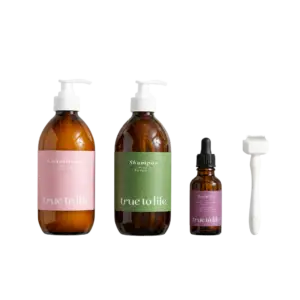
R918.00 – R1,402.00Price range: R918.00 through R1,402.00
Estimated delivery dates: Sep 25, 2026 - Sep 30, 2026
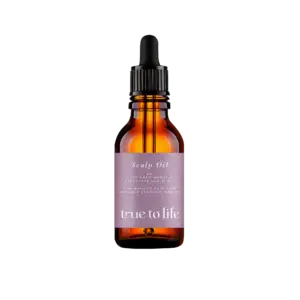
R379.00
Estimated delivery dates: Sep 24, 2026 - Sep 29, 2026
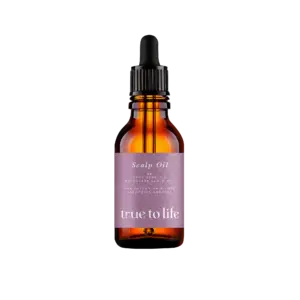
R369.00
Estimated delivery dates: Sep 24, 2026 - Sep 29, 2026
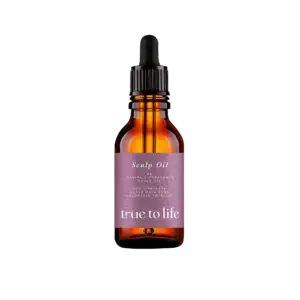
R349.00
Estimated delivery dates: Sep 24, 2026 - Sep 29, 2026
R349.00
Estimated delivery dates: Sep 24, 2026 - Sep 29, 2026

R349.00
Estimated delivery dates: Sep 24, 2026 - Sep 29, 2026

R329.00
Estimated delivery dates: Sep 24, 2026 - Sep 29, 2026
Start your hair growth journey with us.
Take the Hair Assessment to get a your recommended products to support your hair growth journey
Final Thoughts
Derma stamping for hair growth has become a popular option for individuals looking to support healthier hair and scalp function naturally. By creating controlled microchannels in the scalp, hair microneedling may help stimulate circulation, improve product absorption, and encourage an environment that supports stronger, fuller-looking hair.
When paired with our nourishing scalp oils, our adjustable derma stamp offers a simple, effective way to incorporate scalp microneedling into your hair care routine. While results take time and consistency, many users find that combining microneedling for hair growth with targeted scalp support helps them take a proactive approach to managing hair thinning and supporting long-term hair health.
Related Articles

Hair Shedding More Than Usual? The Causes May Surprise You

How Much Hair Loss Is Normal in a Day? What You Need to Know

Hair Routine Isn’t Working? What You Need to Know

Plant-Based Hair Loss Treatments Explained: Are They Better Than Minoxidil?

The Ultimate Guide to Male Hair Loss: Causes and Regrowth Support
Derma Stamping for Hair Growth: The Essential Guide to Hair Microneedling
Post Views: 644