Why Does Hair Fall Happen When You Comb Your Hair?
Hormonal Imbalances
Hormonal fluctuations are one of the leading causes of hair fall and hair thinning. When hormone levels shift, the hair growth cycle can become disrupted, leading to increased hair shedding.
Thyroid Hair Fall
Both hypothyroidism and hyperthyroidism can disrupt hormone production and interfere with the hair growth cycle. This often results in thyroid hair shedding, changes in hair texture, and increased hair fall. Addressing the underlying thyroid condition can help improve hair health and reduce excessive shedding over time.
Postpartum and Menopause Hair Fall
Many women experience significant hair shedding after childbirth or during menopause due to declining estrogen levels. This type of hair fall is often temporary but can be distressing.
PCOS Hair Fall
This is a common symptom of Polycystic Ovary Syndrome. Elevated androgen levels can shrink hair follicles and contribute to androgenetic alopecia, leading to thinning hair and increased shedding.
Genetic Factors
Hereditary hair loss, also known as androgenetic alopecia or pattern hair loss, affects both men and women and is one of the most common causes of ongoing hair fall.
Men
Often presents as a receding hairline or thinning around the crown.
Women
Typically causes diffuse thinning across the scalp rather than clearly defined bald patches.
If genetics contribute to your hair fall, early intervention may help slow progression and support healthier hair growth.
Autoimmune Conditions
Autoimmune disorders can trigger excessive hair shedding by causing the immune system to mistakenly attack healthy hair follicles.
Alopecia Areata
This condition causes sudden, round patches of hair loss that can appear without warning.
Lupus Hair Fall
This can occur due to inflammation affecting the scalp and hair follicles. In some cases, prolonged inflammation may result in permanent follicle damage if left untreated.
Seeking medical advice is essential for autoimmune-related hair loss, as treatment often focuses on reducing inflammation and managing the underlying condition.
Nutritional Deficiencies
If you’re wondering why your hair comes out when you comb it, nutritional deficiencies could be contributing to your hair fall. Healthy hair growth depends on adequate nutrient intake.
Iron Deficiency Hair Fall
This is one of the most common nutritional causes of excessive shedding. Iron helps deliver oxygen to hair follicles, and low levels can weaken the hair growth cycle.
Protein Deficiency Hair Fall
Hair is primarily made of keratin, a protein. Insufficient protein intake may lead to increased breakage, thinning, and hair shedding.
Vitamin and Mineral Deficiencies
Low levels of vitamin D, biotin, zinc, selenium, and other essential nutrients can contribute to ongoing shedding and poor scalp health.
A balanced, nutrient-rich diet can support healthier hair growth and help reduce excessive shedding.
High Stress or Trauma
Emotional and physical stress can trigger a form of temporary hair shedding known as telogen effluvium, where more hairs than usual enter the resting phase of the growth cycle.
Stress, Illness, or Surgery
Major illnesses, surgeries, infections, and emotionally stressful events can trigger noticeable hair shedding several months after the event.
Trichotillomania
This hair-pulling disorder may result in patchy hair loss and scalp damage.
Managing stress, prioritising sleep, and supporting overall wellness may help restore a normal hair growth cycle over time.
Medication Side Effects
Certain medications can contribute to increased hair shedding as a side effect.
Common Culprits
- Chemotherapy drugs
- Some blood pressure medications
- Certain antidepressants
- Isotretinoin for acne treatment
If you notice excessive hair shedding after starting a new medication, consult your healthcare provider before making any changes.
Scalp Infections and Skin Conditions
A healthy scalp creates the ideal environment for healthy hair growth. Conditions that damage or inflame the scalp may contribute to excessive hair shedding.
Fungal Infections
Scalp fungal infections such as tinea capitis can cause irritation, inflammation, and patchy hair loss.
Psoriasis Hair Fall
Psoriasis hair fall can occur when inflammation on the scalp disrupts the normal hair growth cycle. While scalp psoriasis does not directly destroy hair follicles, persistent itching, scratching, and inflammation can contribute to increased hair shedding and temporary hair loss. Managing scalp psoriasis effectively can help support healthier hair growth.
Seborrheic Dermatitis
Seborrheic dermatitis can cause redness, irritation, and flaking that may contribute to hair shedding if left unmanaged.
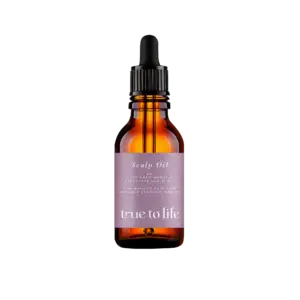
Supporting scalp health is an important step in any hair fall solution. Starting with a nourishing Scalp Oil can help hydrate the scalp and create a healthier environment for hair growth.
Physical or Chemical Damage
Repeated styling stress can weaken the hair shaft and contribute to breakage that may appear as increased hair fall.
Common causes include:
- Frequent bleaching
- Chemical straightening treatments
- Excessive heat styling
- Tight hairstyles that pull on the scalp
Reducing chemical and heat exposure can help preserve hair strength and minimise unnecessary shedding.
Chronic Illness or Sudden Weight Loss
Underlying health conditions and rapid changes in body weight can contribute to significant hair fall.
Chronic Health Conditions
Conditions such as diabetes, celiac disease, and other autoimmune disorders may affect nutrient absorption and disrupt healthy hair growth.
Crash Dieting
Rapid weight loss and restrictive diets can deprive hair follicles of essential nutrients, resulting in temporary hair shedding.
Gradual, sustainable lifestyle changes can help support long-term hair health.